Home >Marine Hub > Australian Sea Lion Guides > What is an Australian Sea Lion?
Discover what makes Australian sea lions one of the world's rarest marine mammals, where they live, how they behave, and why Jurien Bay is one of the best places to encounter them in the wild.
What is an
Australian Sea Lion?
Last updated 21 July 2026.
Based on thousands of guided sea lion encounters in the Jurien Bay Marine Park.
Local knowledge. Real experience. Trusted information.
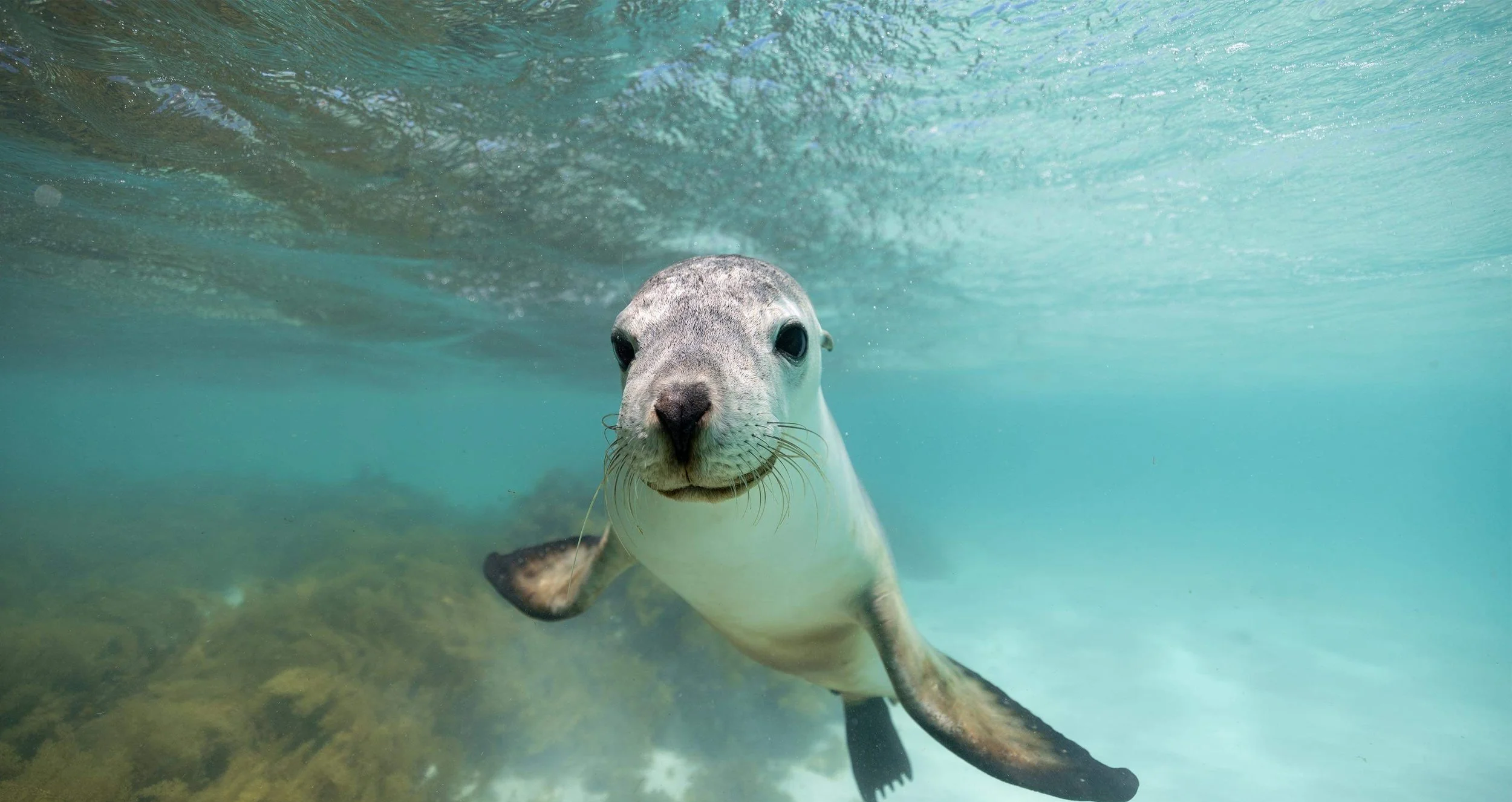
An Australian sea lion (Neophoca cinerea) is one of the world's rarest sea lion species and is found nowhere else on Earth. Endemic to the southern and western coastlines of Australia, these intelligent marine mammals are known for their curious nature, strong social bonds and unique breeding cycle, which differs from every other sea lion species.
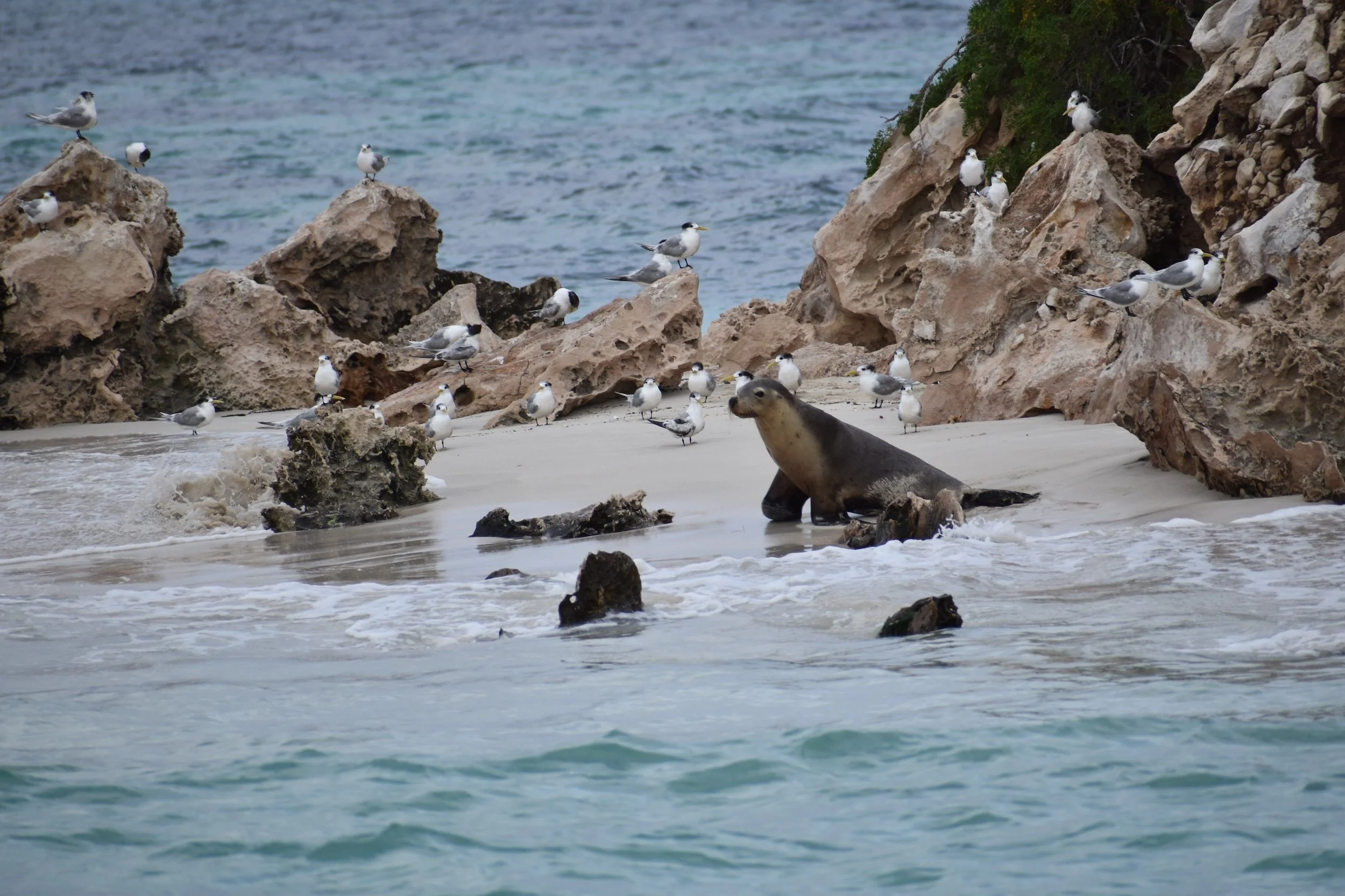
Australian sea lions spend much of their lives at sea, returning to offshore islands and remote beaches to rest, breed and raise their pups. Unlike true seals, they have external ear flaps and powerful front flippers, allowing them to "walk" on land and manoeuvre with remarkable agility underwater.
Today, Australian sea lions are listed as Endangered, with an estimated population of around 10,000–12,000 individuals. Jurien Bay Marine Park is home to one of the most accessible wild populations, making it one of the best places in Australia to observe these remarkable animals in their natural environment.
1 . What is an Australian sea lion?
2 . Australian Sea Lion Facts
Scientific Name
Neophoca cinerea

Conservation Status
Endangered

Life Span
20 - 25 years
Diet
Fish, squid, octopus & crustaceans

Weight
Males 180-300kg
Females 60-120kg
Length
Males up to 2.4m
Females up to 1.8m
Distribution
Southern & Western Australia
Australian sea lions are found nowhere else in the world. Their entire wild population is restricted to the southern and western coastlines of Australia, making them one of the country's most unique marine mammals.
Today, Australian sea lions inhabit more than 70 breeding colonies stretching from the Houtman Abrolhos Islands in Western Australia to the Pages Islands in South Australia. Most colonies are found on remote offshore islands and isolated beaches, where females return to give birth and raise their pups.
One of the most accessible places to observe Australian sea lions in the wild is the Jurien Bay Marine Park, approximately two hours north of Perth. The park's chain of limestone islands and protected marine habitats provides ideal conditions for sea lions to rest, breed and forage, while giving visitors the opportunity to experience ethical wildlife encounters in their natural environment.
Although Australian sea lions spend much of their lives at sea searching for food, they remain closely connected to their breeding colonies, returning regularly throughout their lives.
3 . Where do Australian sea lions live?
4 . What makes Australian sea lions unique?
─────
Found only in Australia
The only sea lion species found nowhere else on Earth.

One of the world’s rarest
Around 10,000-12,000 remain in the wild.
Unique breeding cycle
Females give birth approximately every 17 months.
Highly intelligent
Curious, playful and capable of recognising familiar people and routines.
Strong social bonds
Live in colonies, where females always remain and communicate using vocalisations and body language.
5 . Australian sea lion behaviour
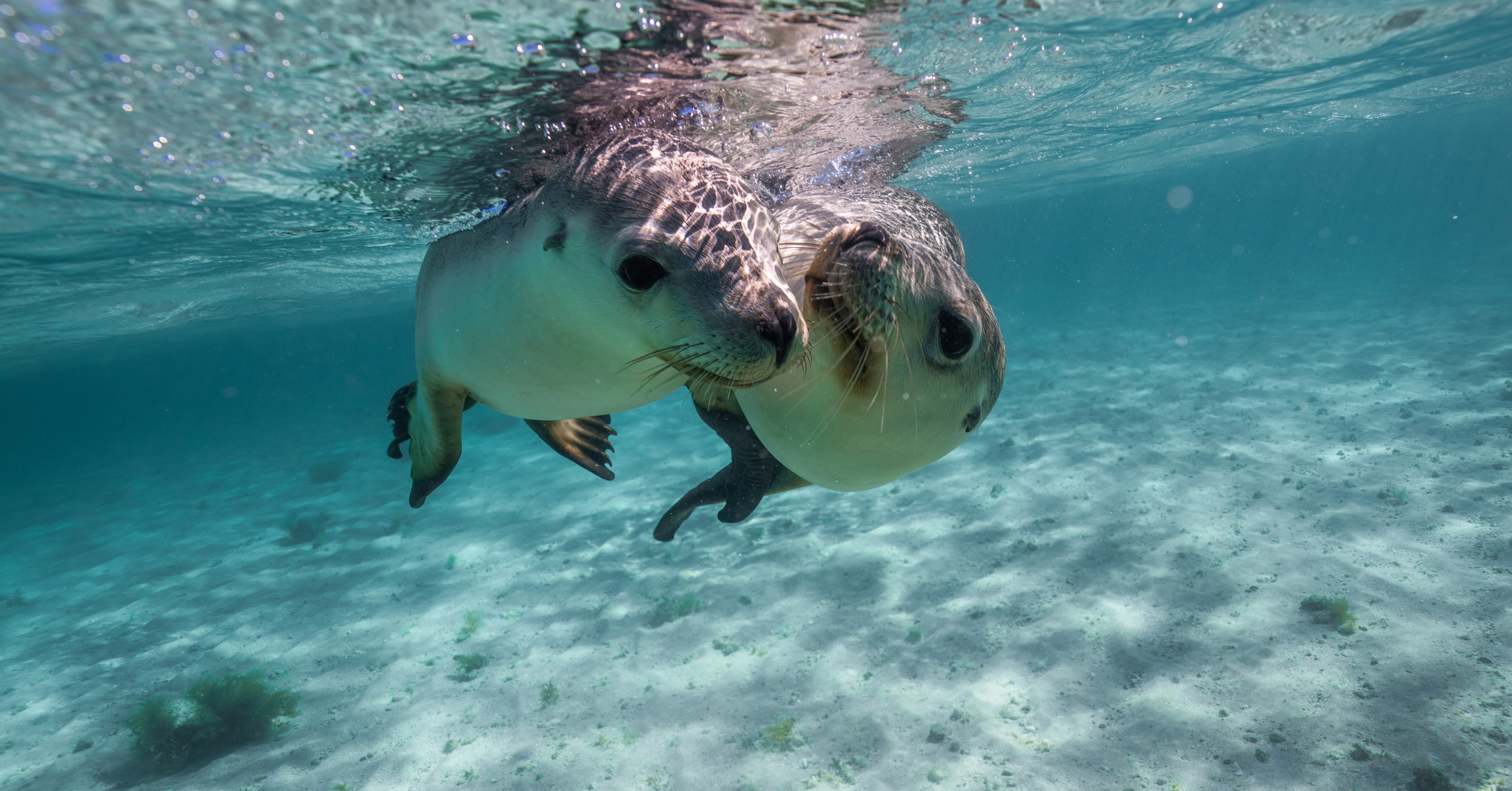
Australian sea lions are among the most curious and intelligent marine mammals in the world. Unlike many wildlife species that avoid people, Australian sea lions are naturally inquisitive and will often investigate their surroundings, including divers and snorkellers, entirely on their own terms.
Every sea lion has its own personality. Some are playful and energetic, swimming loops around visitors or gently inspecting fins and cameras. Others are more reserved, preferring to rest on the seabed or observe quietly from a distance. Their behaviour changes throughout the day depending on their age, social interactions, weather conditions and recent feeding activity.
Australian sea lions communicate using a combination of vocalisations, body language and underwater movement. Mothers and pups recognise one another by sound, while adults use posture and behaviour to establish social relationships within their colonies.
Because they are completely wild animals, no two encounters are ever the same. This unpredictability is part of what makes swimming with Australian sea lions such a unique wildlife experience.
Want to learn more?
Discover how Australian sea lions communicate, play, hunt, rest and interact within their colonies in our complete guide to Australian Sea Lion Behaviour & Social Life.
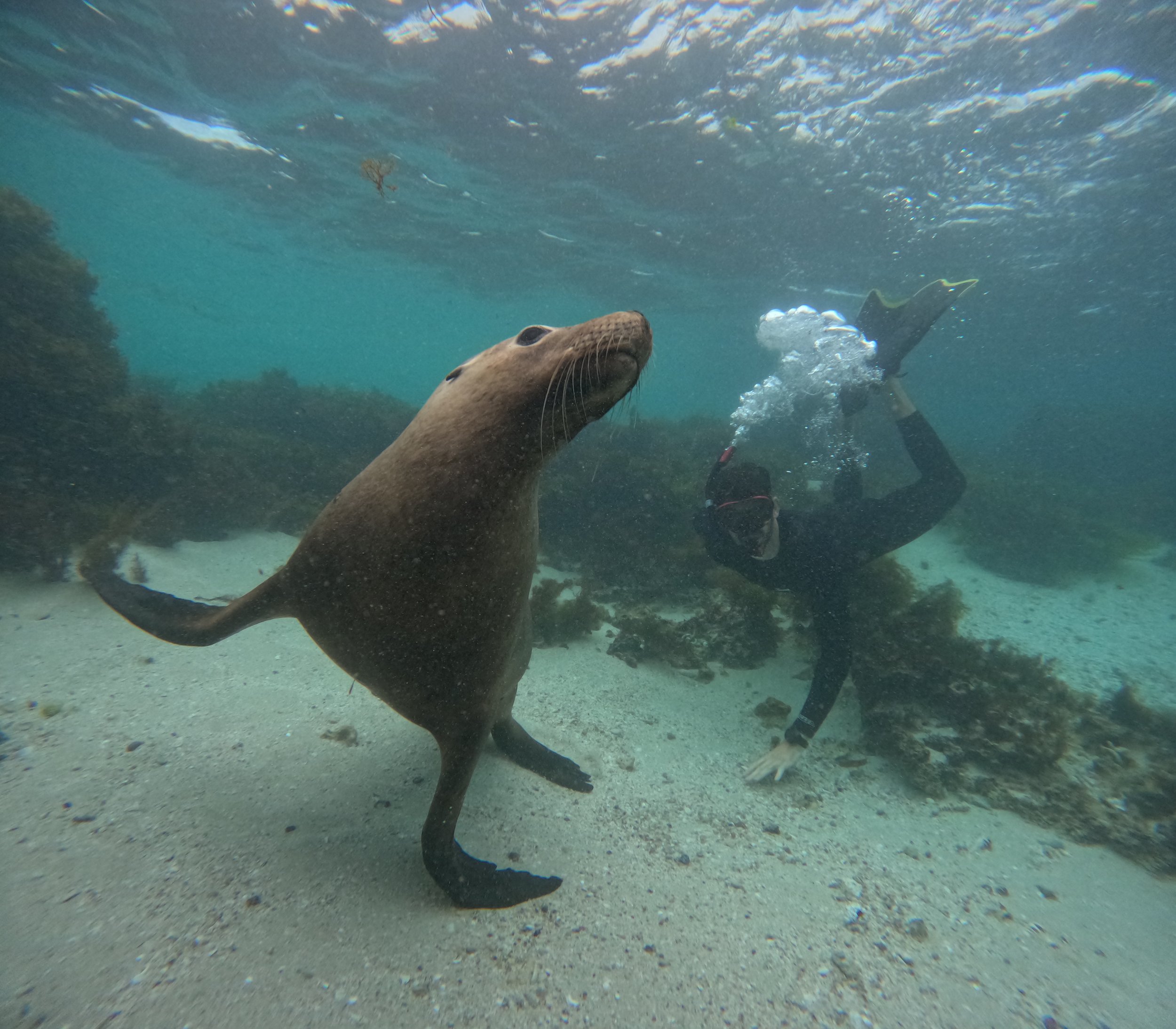
6 . Can you swim with Australian sea lions?
Yes—but only in a handful of locations, and always under strict wildlife interaction guidelines.
Jurien Bay Marine Park is one of the few places in Australia where visitors can legally and responsibly swim with wild Australian sea lions. Unlike captive wildlife experiences, these encounters take place entirely in the animals' natural environment. Australian sea lions decide if, when and how they interact with people, making every encounter unique.
Licensed tour operators must follow strict marine park regulations designed to protect both visitors and wildlife. Group sizes are carefully managed, guides continuously monitor sea lion behaviour, and interactions are conducted with the animals' welfare as the highest priority.
Not all sea lion tours are the same. When choosing an operator, look for one with experienced local guides, a strong commitment to wildlife conservation, small group sizes and a genuine focus on education. These factors not only help protect this endangered species but also create a safer, more respectful and more rewarding wildlife encounter.
Swimming with Australian sea lions is widely regarded as one of Australia's most extraordinary wildlife experiences—not because the animals are trained, but because every interaction is completely wild and entirely on their terms.
7. Why are Australian sea lions endangered?
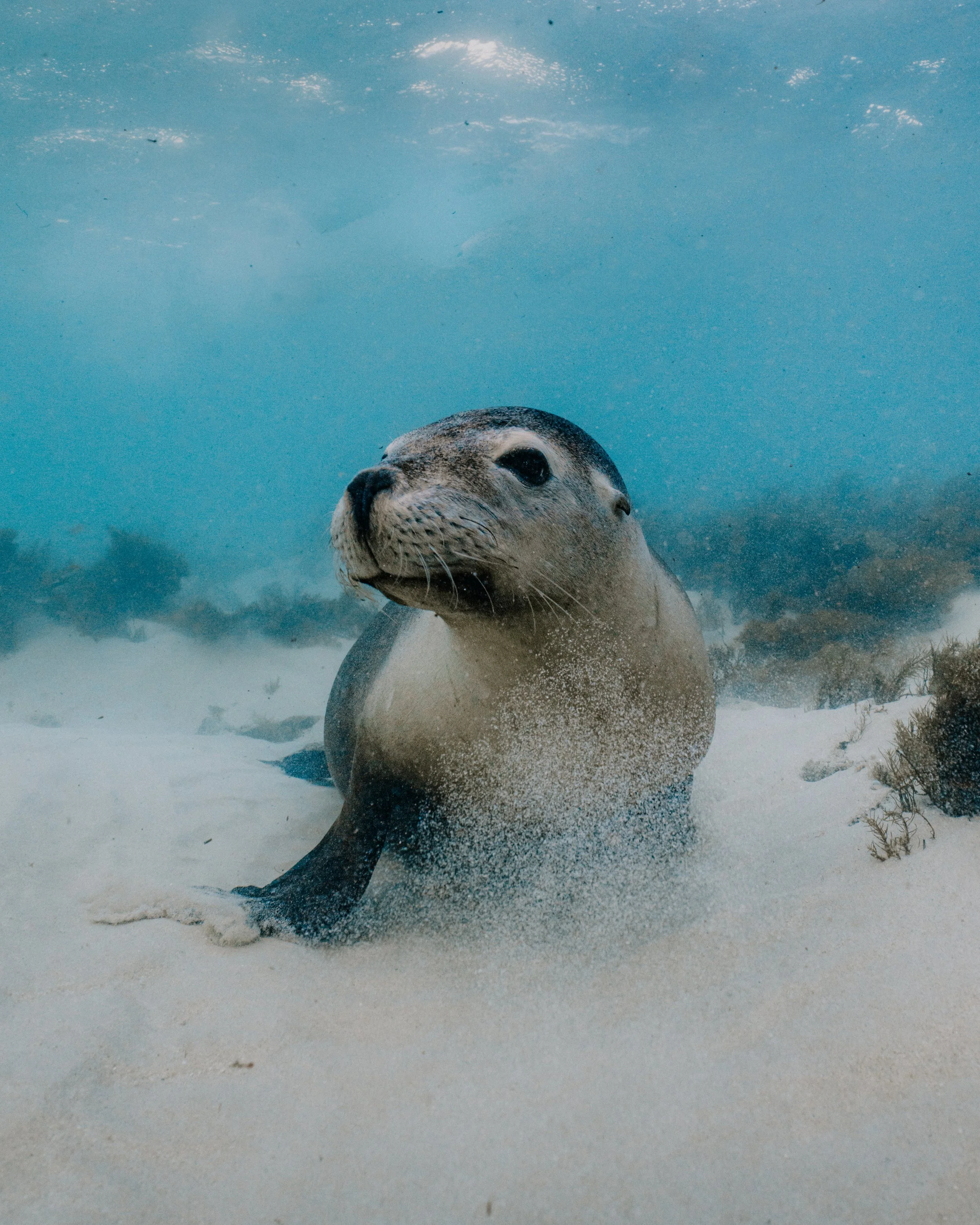
Australian sea lions are listed as Endangered, making them one of Australia's most vulnerable marine mammals.
During the 18th and 19th centuries, Australian sea lions were extensively hunted for their meat, skins and oil. Although commercial hunting eventually ceased, populations never fully recovered. Unlike many other marine mammals, Australian sea lions reproduce very slowly, with females giving birth only once every 17–18 months. This unusually long breeding cycle means population growth is naturally slow, making recovery much more difficult.
Today, Australian sea lions continue to face a range of modern threats, including accidental entanglement in fishing gear, marine pollution, habitat disturbance and the impacts of climate change on their marine environment. Small, isolated breeding colonies are also more vulnerable to disease and environmental change than larger wildlife populations.
Despite these challenges, Australian sea lion populations are protected through conservation programs, marine parks and ongoing scientific research. Responsible wildlife tourism plays an important role by helping people understand the importance of protecting one of Australia's most unique marine mammals.
-
No. Although they both belong to the pinniped family, Australian sea lions are true sea lions, not seals. Sea lions have visible external ear flaps, large front flippers and can rotate their rear flippers beneath their bodies, allowing them to move easily on land. Seals lack external ears and move quite differently when ashore.
-
Australian sea lions are found only in southern and western Australia. Their population is spread across more than 70 breeding colonies on offshore islands and remote beaches, with Jurien Bay Marine Park supporting one of the country's most accessible wild populations.
-
Australian sea lions were heavily hunted during the 18th and 19th centuries, and their populations never fully recovered. Today, they face additional threats including entanglement in fishing gear, habitat disturbance, marine pollution and climate change. Their slow breeding cycle makes recovery much more difficult than many other marine mammals.
-
Yes. Jurien Bay Marine Park is one of the few places in Australia where visitors can legally and responsibly swim with wild Australian sea lions. Encounters are conducted under strict marine park regulations to protect both the animals and visitors.
-
Research teams estimate there are approximately 10,000–12,000 Australian sea lions remaining in the wild. Because the species is found nowhere else on Earth, protecting Australia's breeding colonies is essential to its long-term survival.
Frequently Asked Questions
Continue Exploring Our Australian Sea Lion Guides
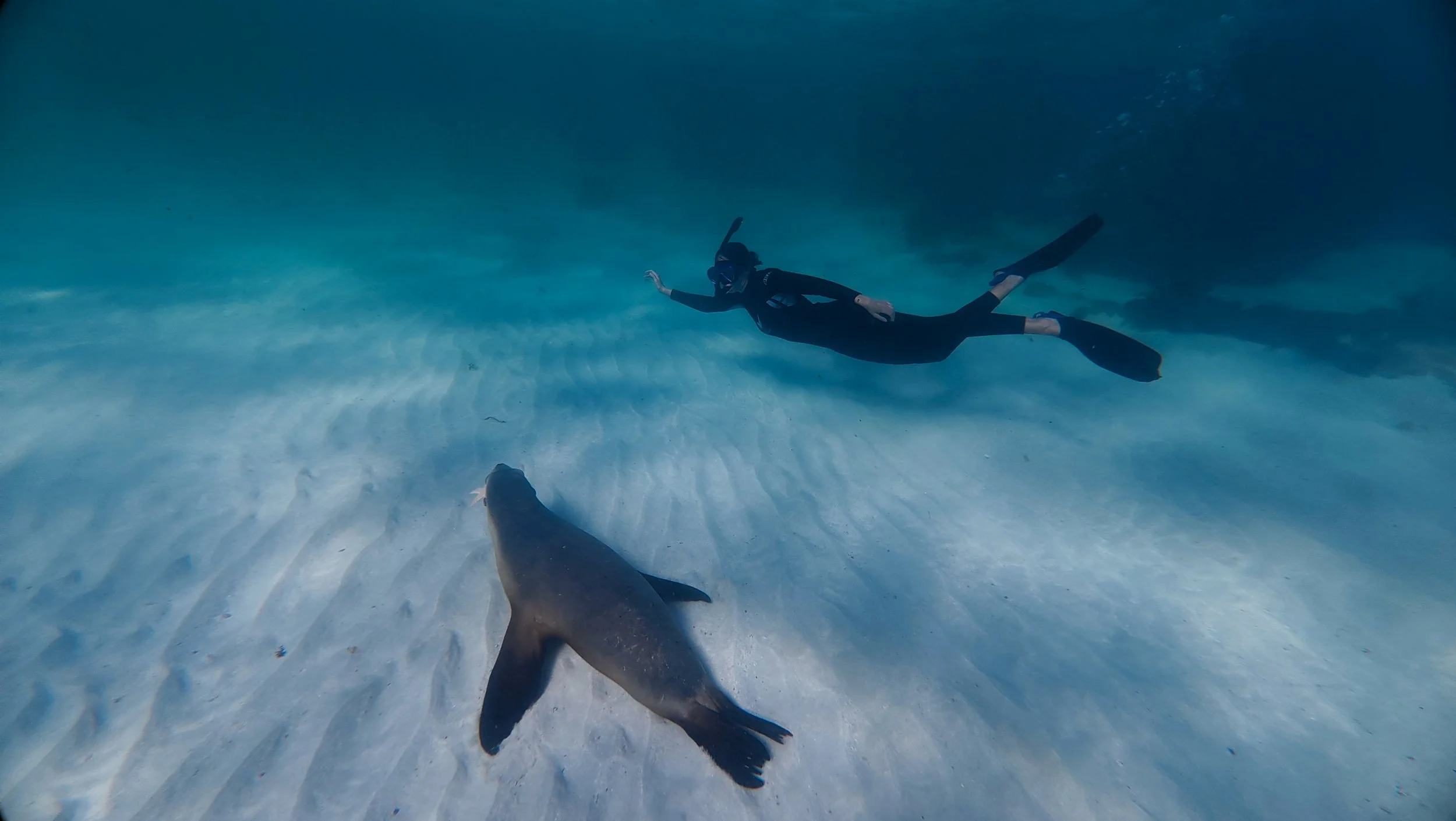
READY TO MEET AN AUSTRALIAN SEA LION IN THE WILD?
There's no better way to understand Australian sea lions than seeing them in their natural environment.
Join Australia's original Australian sea lion tour operator and experience one of the world's rarest marine mammals in the crystal-clear waters of the Jurien Bay Marine Park.
@jurienbayoceanic