Home > Marine Hub > Visiting Jurien Bay > Best Time to Visit Jurien Bay
Best Time to Visit Jurien Bay
A local guide to Jurien Bay’s weather, water conditions, wildlife and seasonal experiences.
Last updated 31 July 2026.
Based on over six decades of local experience in Jurien Bay.
Local knowledge. Real experience. Practical advice.
Jurien Bay can be enjoyed throughout the year. Summer is the warmest and busiest season, making it popular for swimming, snorkelling and family holidays. Autumn brings warm ocean temperatures and milder days. Winter is cooler and quieter, with migrating humpback whales appearing offshore from late July. Spring brings wildflowers, warmer weather and the southward whale migration.
This local guide explains what to expect in each season, including weather, water conditions, wildlife and visitor numbers. Use it to choose the time that best suits your plans for Jurien Bay and the surrounding Coral Coast.
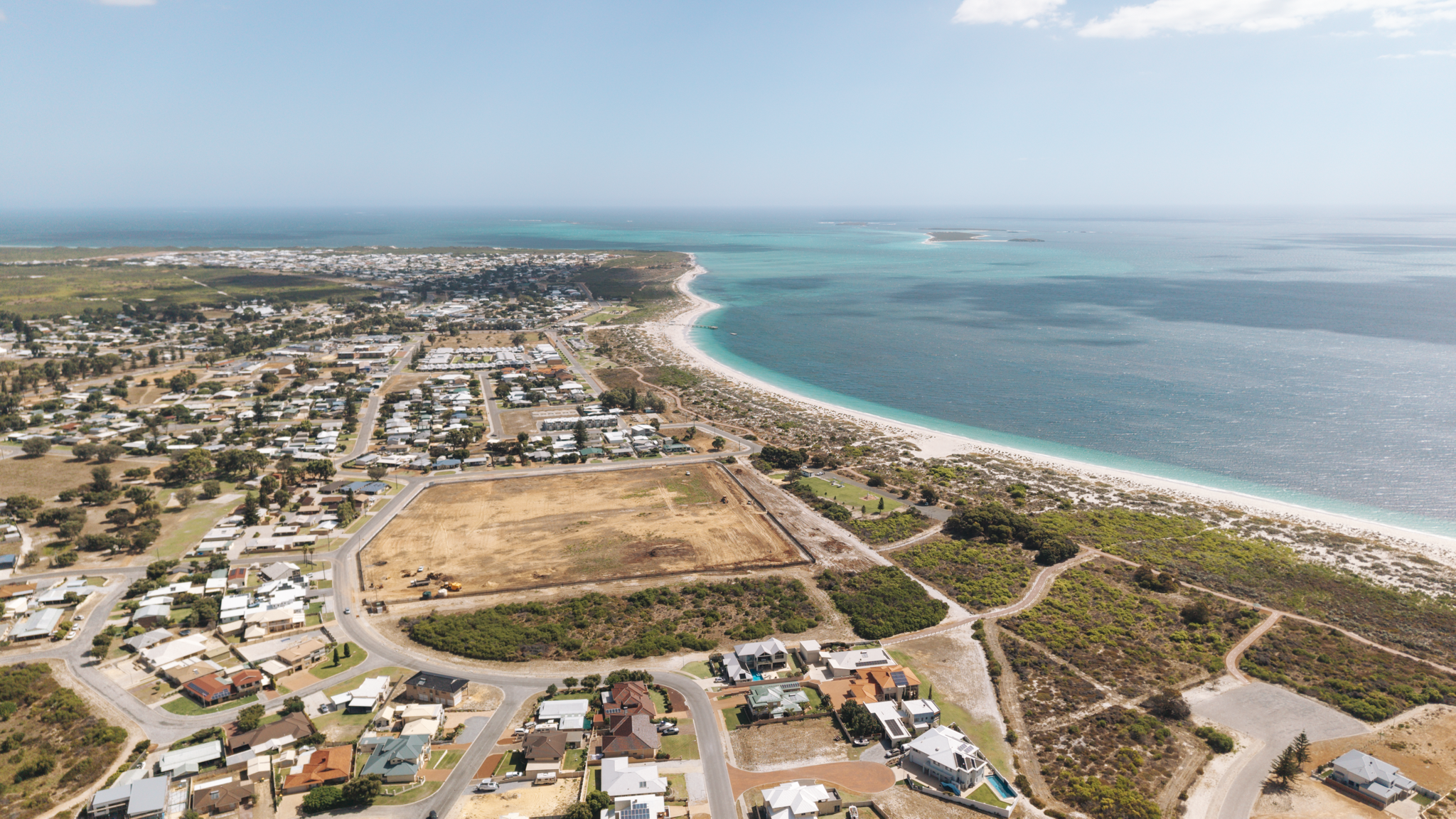
Summer is the warmest and driest time of year in Jurien Bay. Average daytime maximum temperatures range from approximately 28°C in December to 31°C in February. Long daylight hours provide plenty of time for swimming, snorkelling, fishing and exploring the coast.
The local sea breeze often strengthens during the afternoon. Mornings frequently provide lighter winds for boating and water activities. Ocean conditions still vary with swell, weather systems and local wind, so checking the forecast remains important.
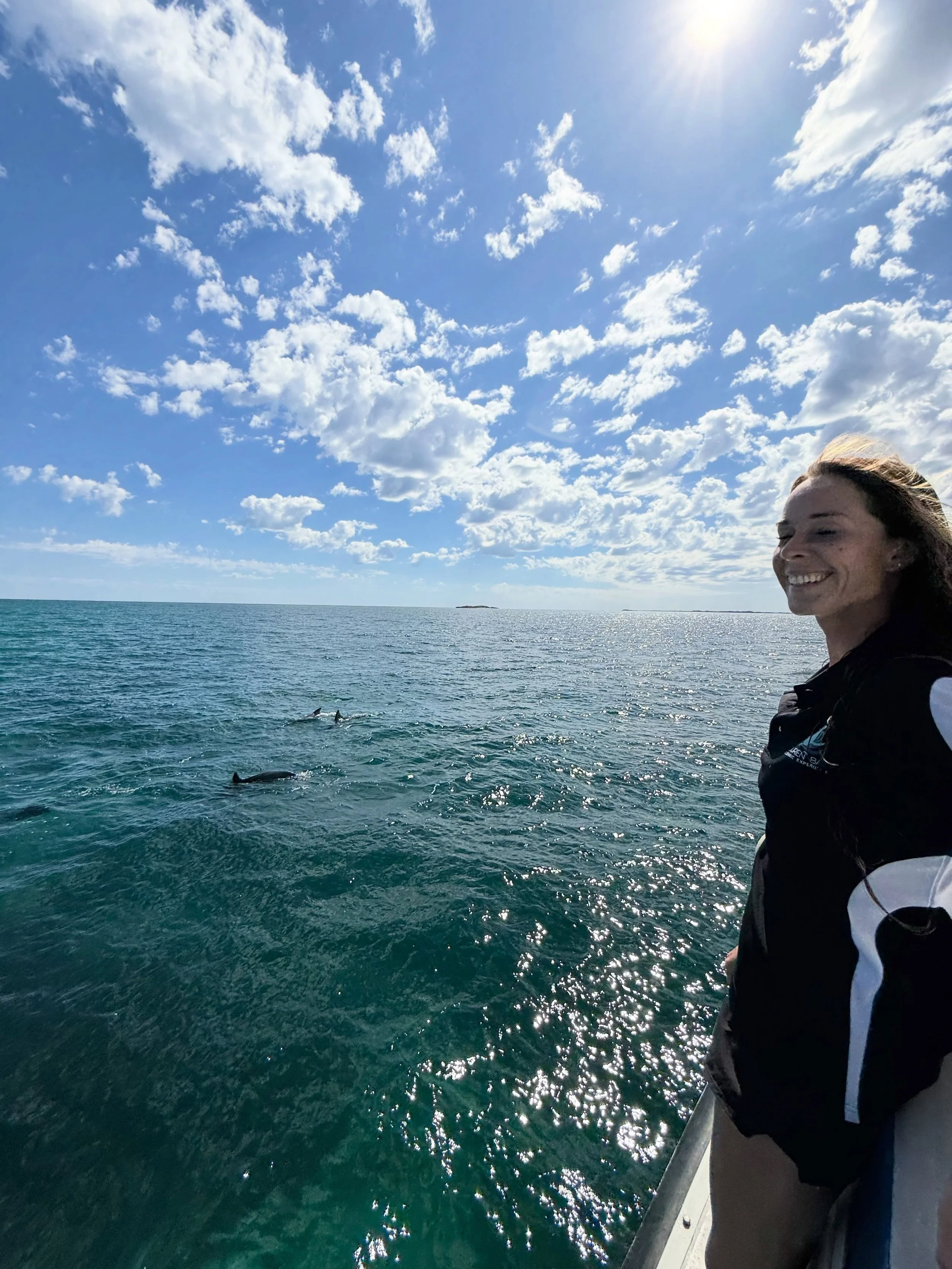
Summer is the busiest visitor season, particularly from Christmas through the January school holidays. Accommodation and popular tours can fill well in advance. Australian sea lions live in the Jurien Bay Marine Park throughout summer, and the warmer weather makes this a popular season for families planning a sea lion experience.
Summer in Jurien Bay
December - February
Autumn in Jurien Bay
March - May
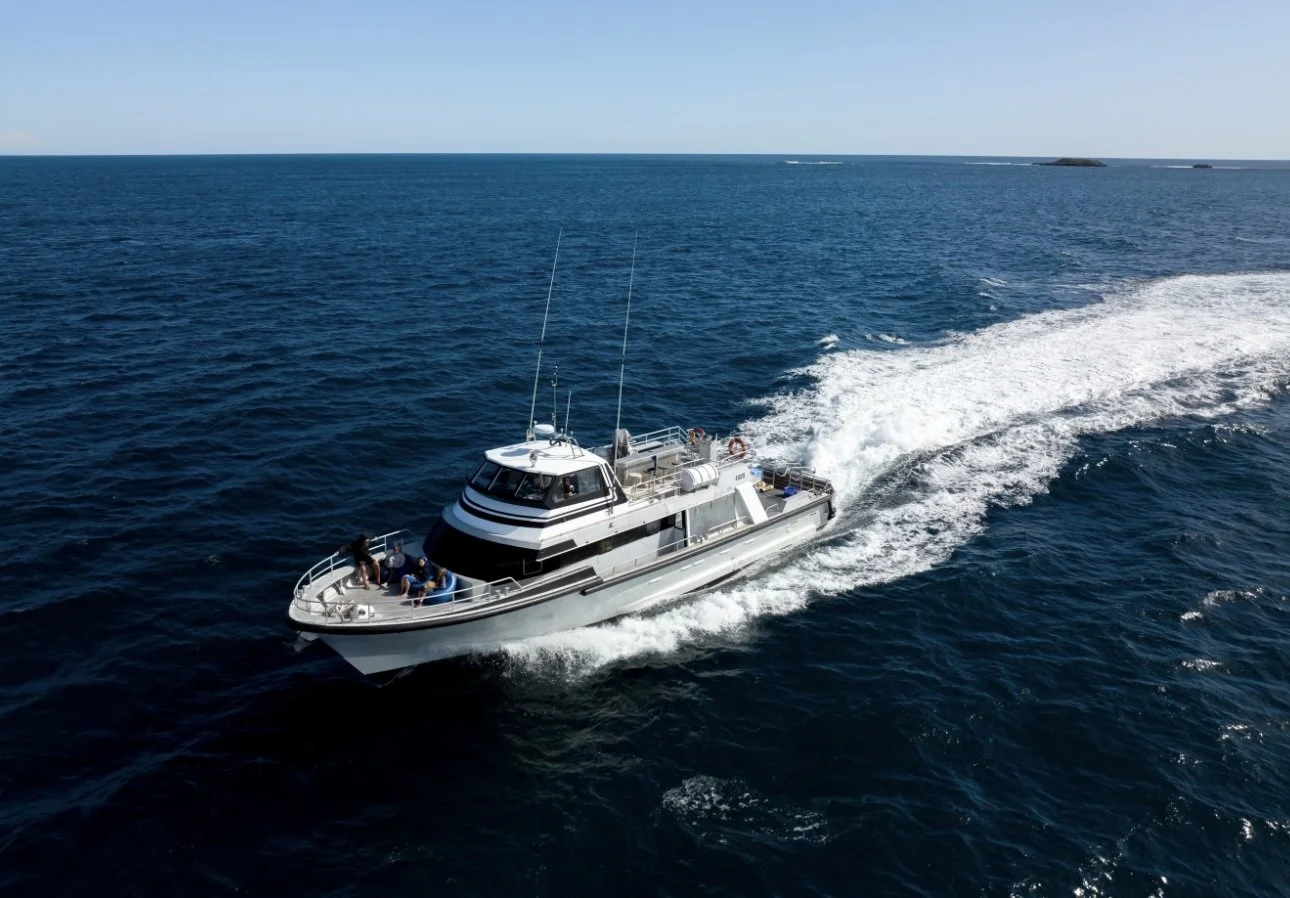
Autumn begins with warm days and ocean temperatures that retain much of the summer heat. Average daytime maximum temperatures gradually fall from around 30°C in March to approximately 23°C in May.
The afternoon winds generally ease as autumn progresses. This can create comfortable conditions for swimming, snorkelling, diving, fishing and exploring the Jurien Bay Marine Park. Rain becomes more frequent during May as the winter weather pattern begins.
Visitor numbers usually settle after the summer holidays and Easter period. Autumn suits travellers looking for warm coastal conditions and a quieter stay. Australian sea lions remain in the Marine Park throughout the season, and local wildlife experiences continue when weather and sea conditions allow.
Winter in Jurien Bay
June - August
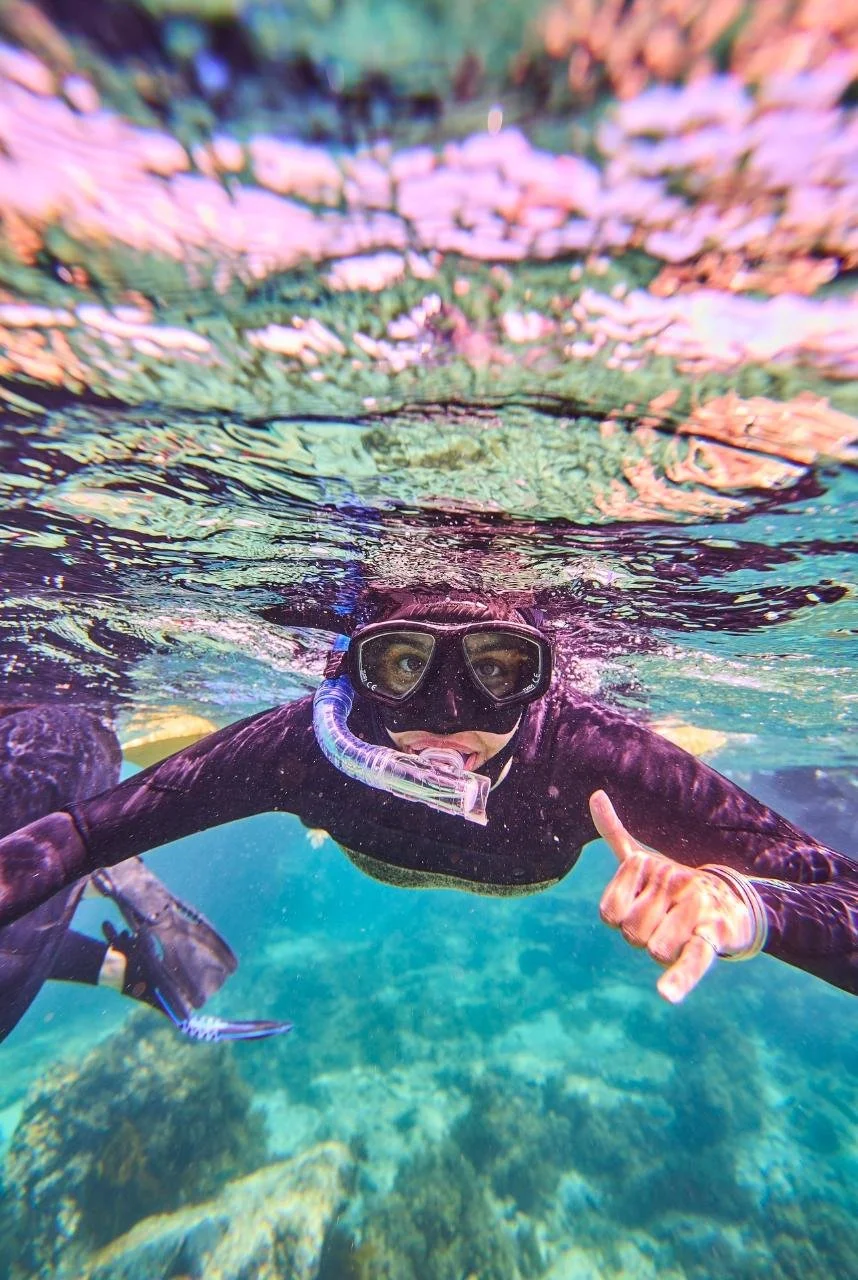
Winter is the coolest and wettest season in Jurien Bay. Average daytime maximum temperatures remain close to 20°C, and July receives the highest average rainfall. Cold fronts can bring rain, wind and larger ocean swell. Clear days regularly occur between weather systems.
Migrating humpback whales begin appearing in the Jurien Bay Marine Park from late July as they travel south along the Western Australian coast. Sightings are possible from boats and coastal lookouts, with the migration continuing into spring.
Late winter also marks the beginning of the wildflower display at nearby Lesueur National Park. Marine experiences continue during suitable conditions, and land-based activities provide plenty to explore when boating conditions are unfavourable. A warm jacket is useful for mornings, evenings and time on the water.
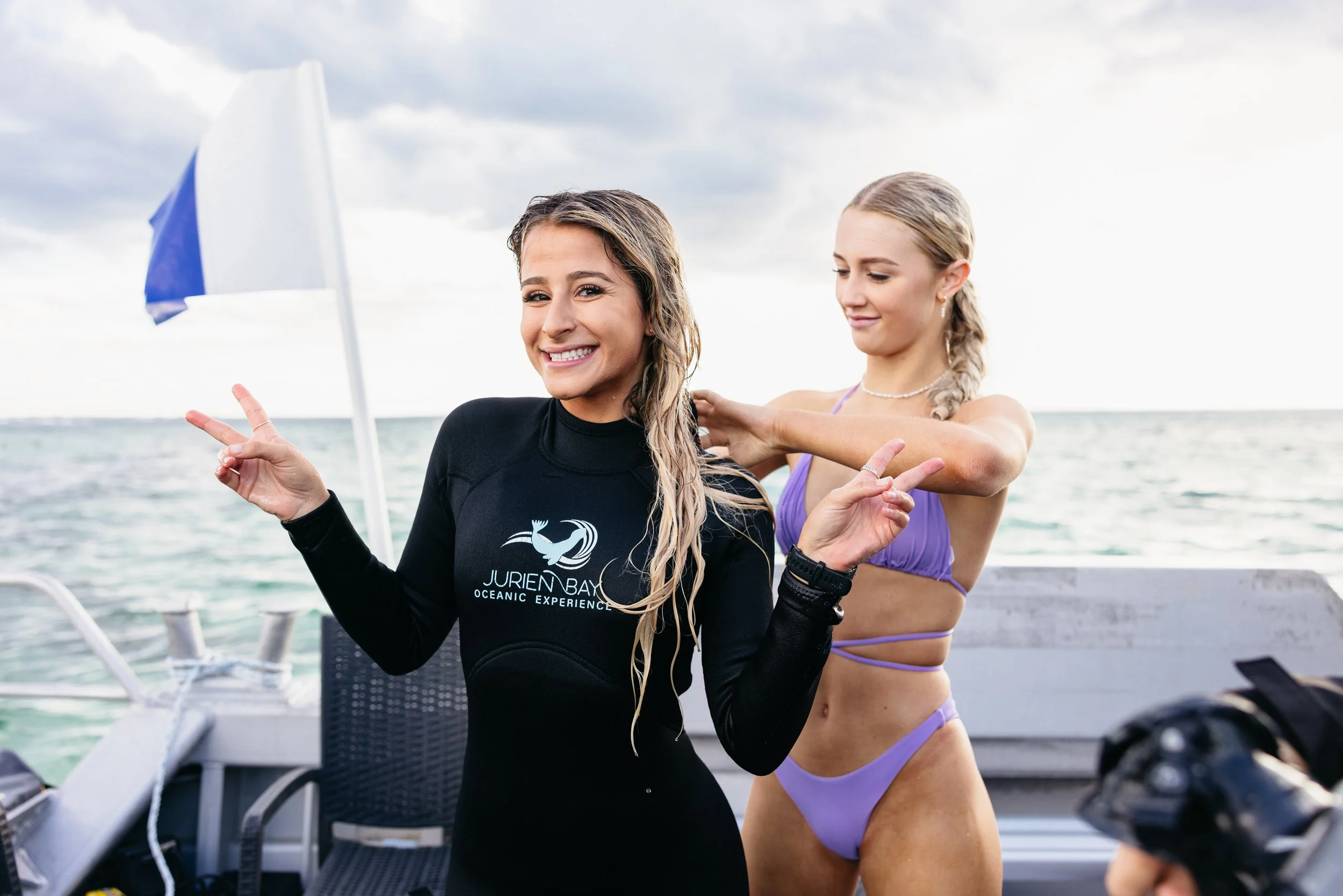
Spring brings warmer days and decreasing rainfall. Average daytime maximum temperatures rise from approximately 21°C in September to 26°C in November. Ocean temperatures take longer to warm, so a wetsuit can make swimming and snorkelling more comfortable early in the season.
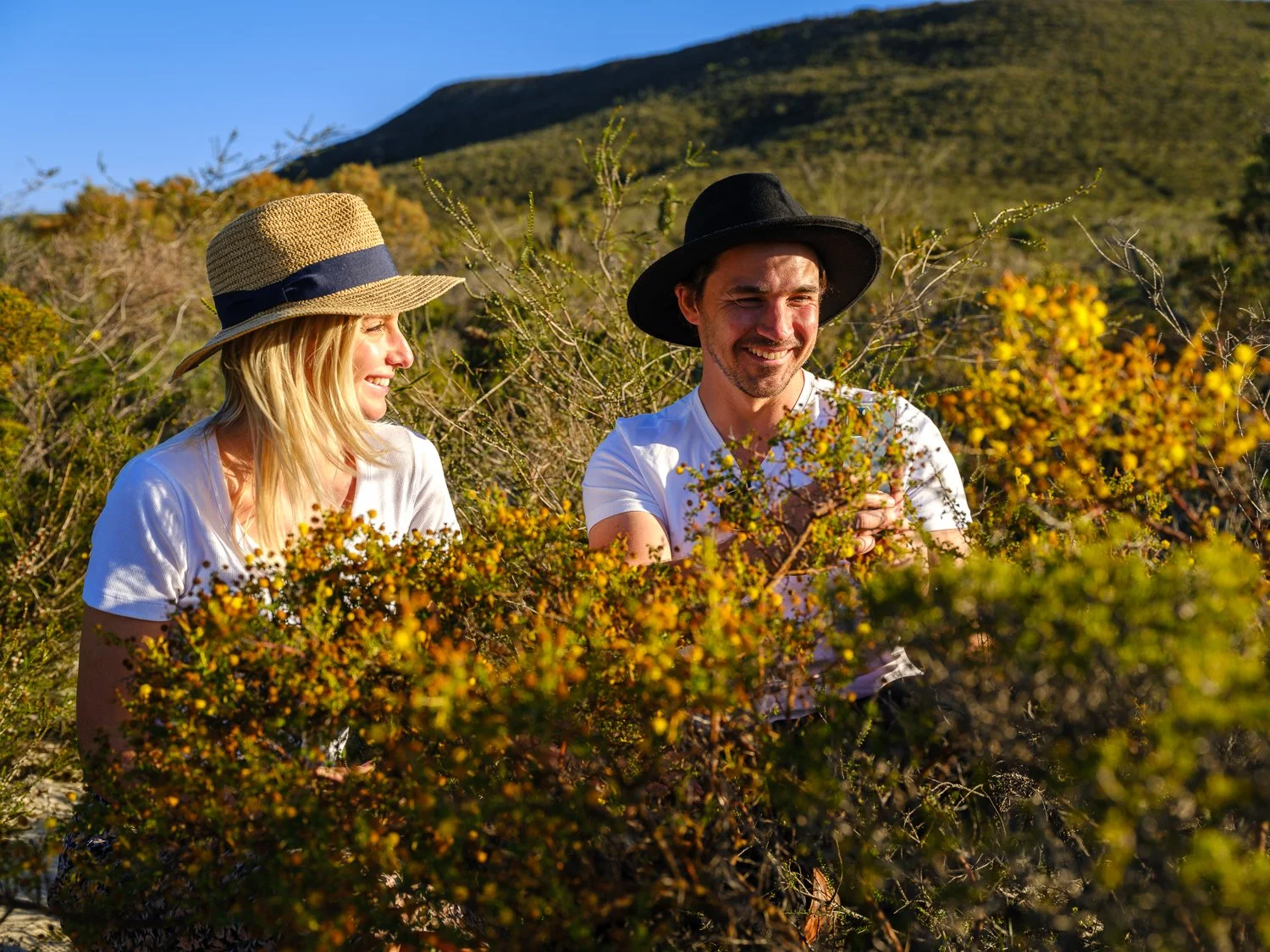
Wildflowers bloom across Lesueur National Park and the surrounding region during late winter and spring. The timing and variety of the display change each year according to rainfall and local conditions. Spring is a popular time for walking, scenic drives, photography and exploring the national parks.
Humpback whales continue their southward migration through local waters until November. Sea lions, dolphins, seabirds and other resident wildlife remain present throughout the season. Winds become stronger later in spring, making the morning forecast particularly useful when planning water activities.
Spring in Jurien Bay
September - November
Frequently Asked Questions
-
Choose the month according to the activities you want to enjoy. March to May and September to November offer comfortable temperatures outside the peak summer period. December to February suits warm-weather holidays, swimming and beach days.
-
February has the highest long-term average daytime maximum temperature at approximately 31°C. January and March are also warm, with average maximum temperatures close to 30°C.
-
Yes. Winter offers quieter beaches, migrating humpback whales and the beginning of the wildflower season. Marine tours operate when weather and sea conditions are safe. Visitors should pack warm clothing and allow flexibility for changing forecasts.
-
Migrating humpback whales can be seen in and around the Jurien Bay Marine Park from late July to November. Sightings depend on migration timing, weather and sea conditions and cannot be guaranteed.
-
Wildflowers begin blooming around Lesueur National Park in late winter and continue through spring. The display is generally strongest between August and October, with exact timing influenced by seasonal rainfall and individual plant species.
-
Yes. Australian sea lions live in the Jurien Bay Marine Park throughout the year. Their behaviour changes naturally from day to day, and tour operations depend on safe weather and sea conditions. Read our Best Time to Swim with Sea Lions guide for more detailed seasonal advice.
Climate averages are based on long-term Bureau of Meteorology data for Jurien Bay, station 009131.
Related Guides
PLAN YOUR JURIEN BAY EXPERIENCE
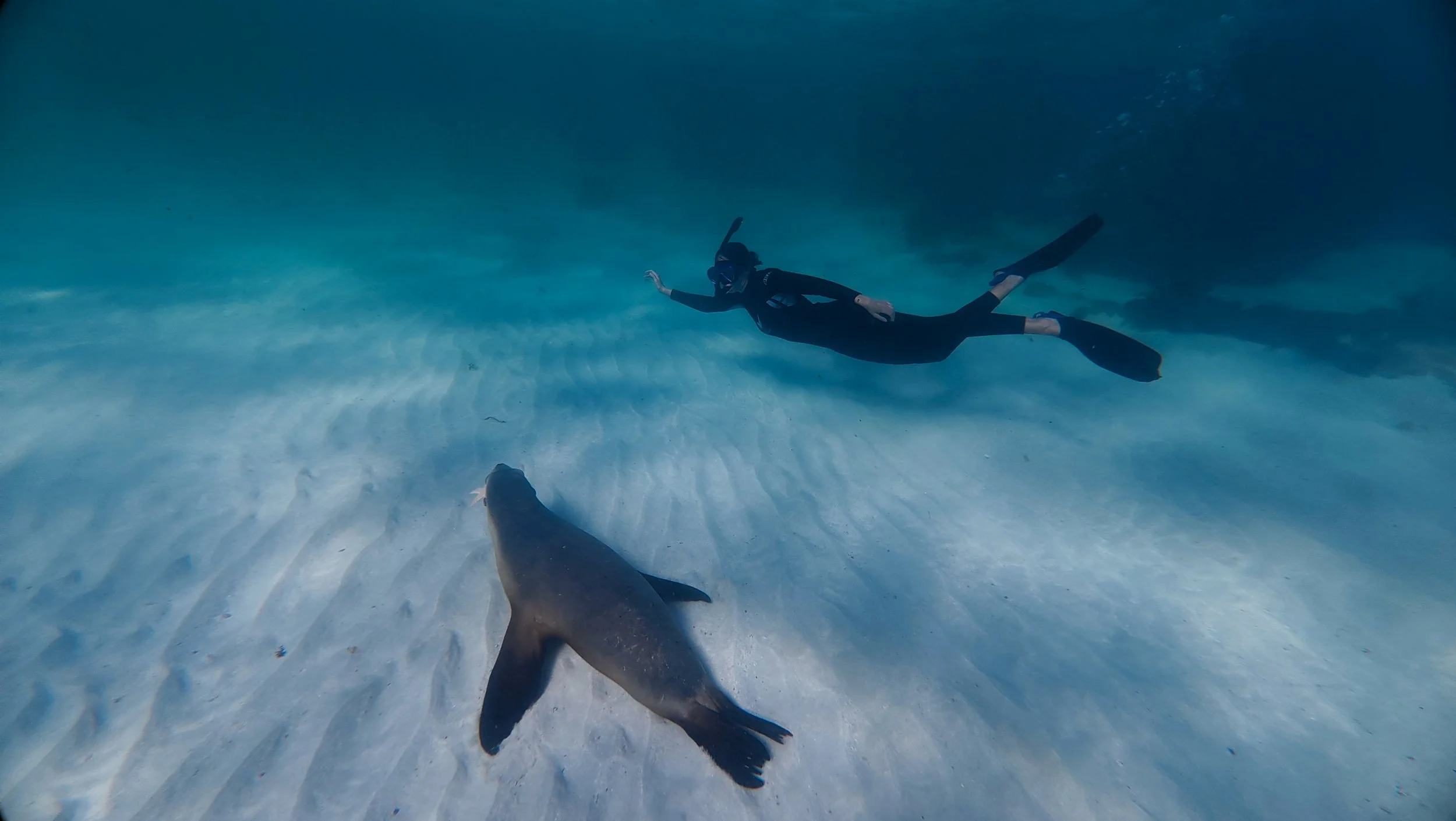
Australian sea lions live in the Jurien Bay Marine Park throughout the year, giving visitors the opportunity to experience the region’s marine wildlife in every season.
Explore our Jurien Bay tours and choose an ocean experience for your visit.
@jurienbayoceanic