Home > Marine Hub > Jurien Bay Marine Park > Conservation, Management & Research
Conservation, Management
& Research
Learn how science, careful management and long-term monitoring help protect the wildlife and habitats of the Jurien Bay Marine Park.
Last updated 11 August 2026.
Based on over six decades of experience working across the waters of Jurien Bay.
Local knowledge. Marine expertise. Trusted information.
PROTECTING THE JURIEN BAY MARINE PARK
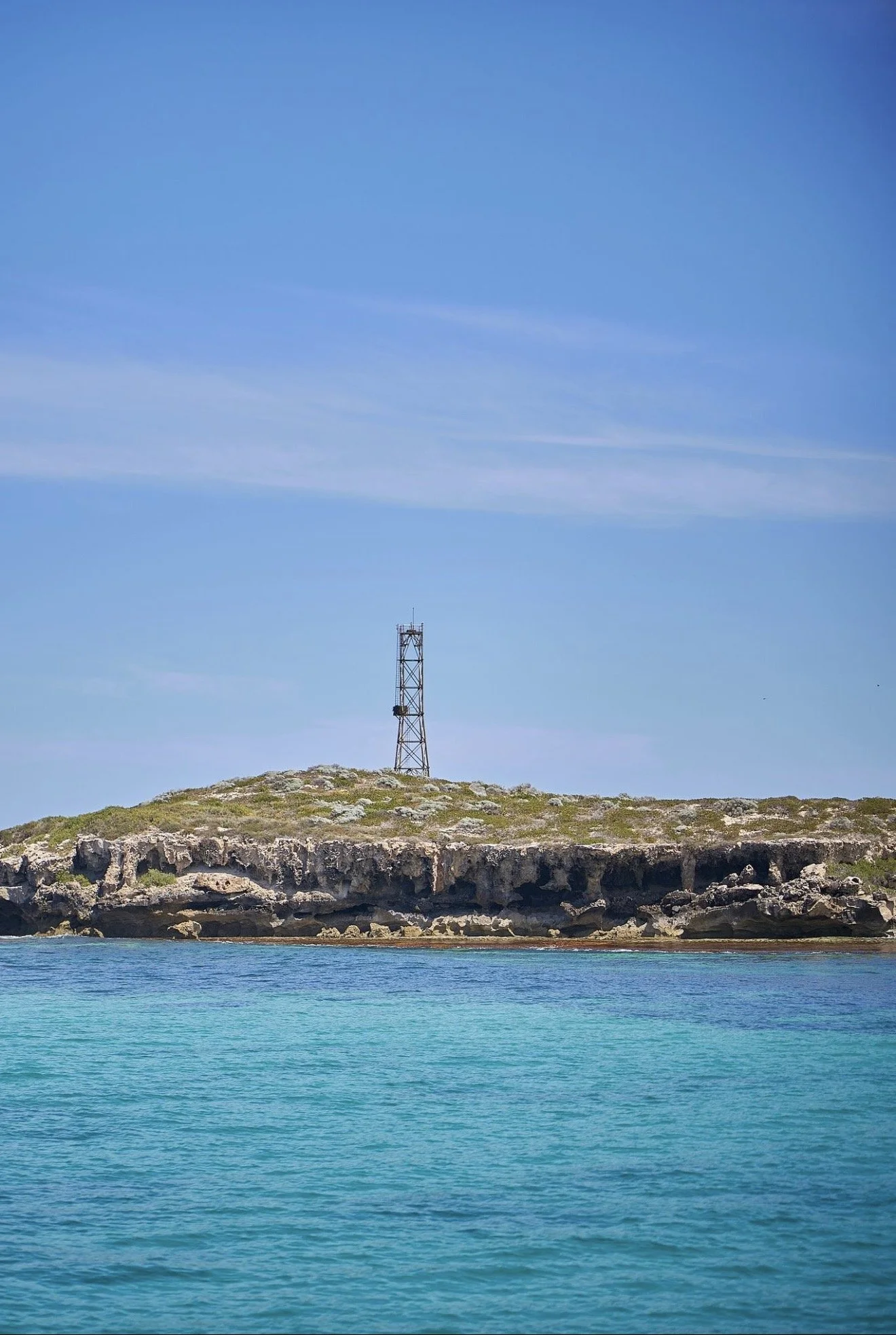
Protecting the Jurien Bay Marine Park requires careful management, scientific research, regular monitoring and cooperation across the community. Together, these efforts guide how the park is used and cared for over time.
Management includes zoning different activities, protecting sensitive habitats and breeding sites, monitoring marine wildlife and responding to environmental pressures. Research builds a clearer understanding of the park’s species, habitats and ecological processes.
The information collected helps park managers assess change and make informed conservation decisions. Visitors, tourism operators, researchers, recreational users and local communities also contribute by following park rules and reducing their impact on the marine environment.
The Jurien Bay Marine Park is managed by the Department of Biodiversity, Conservation and Attractions through its Parks and Wildlife Service. An approved management plan sets the long-term conservation objectives for the park and guides decisions about access, recreation and environmental protection.
Day-to-day management includes maintaining zone markers, providing visitor information, monitoring wildlife, protecting sensitive sites and supporting compliance with park regulations. Management priorities can be adjusted as new research becomes available or environmental conditions change.
Fishing regulations also apply throughout the marine park. Visitors should check the current DBCA zoning map and Department of Primary Industries and Regional Development fishing rules before heading onto the water.
Managing a Multiple-Use Marine Park
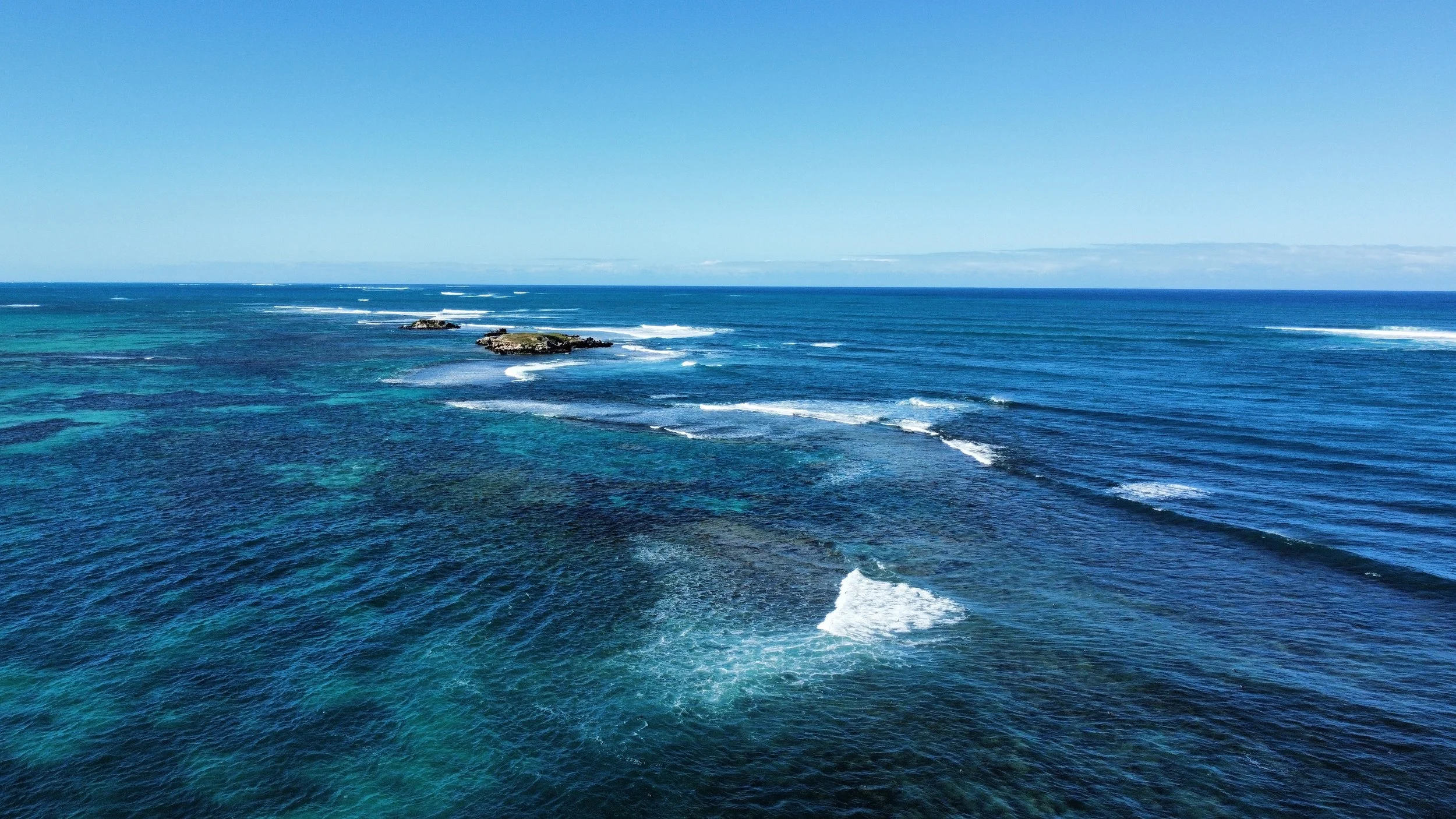
Zones define which activities are permitted in different parts of the marine park. The zoning system protects sensitive habitats and wildlife while providing designated areas for recreation, tourism, fishing and other approved uses.
Sanctuary zones are protected areas where fishing and collecting are prohibited. Boating, swimming, snorkelling, scuba diving and wildlife viewing are permitted when conducted responsibly.
General use zones make up most of the marine park and allow a wider range of recreational and commercial activities. Special purpose zones have individual management objectives covering scientific research, shore-based activities, puerulus monitoring and aquaculture.
Yellow marker buoys and shore-based markers identify many zone boundaries. A GPS device or the Recfishwest app can help boat users confirm their location when travelling offshore.
How the Zoning System Works
DBCA’s Marine Science Program collects ecological information from marine parks across Western Australia. Regular monitoring allows researchers to track the condition of important species and habitats over time.
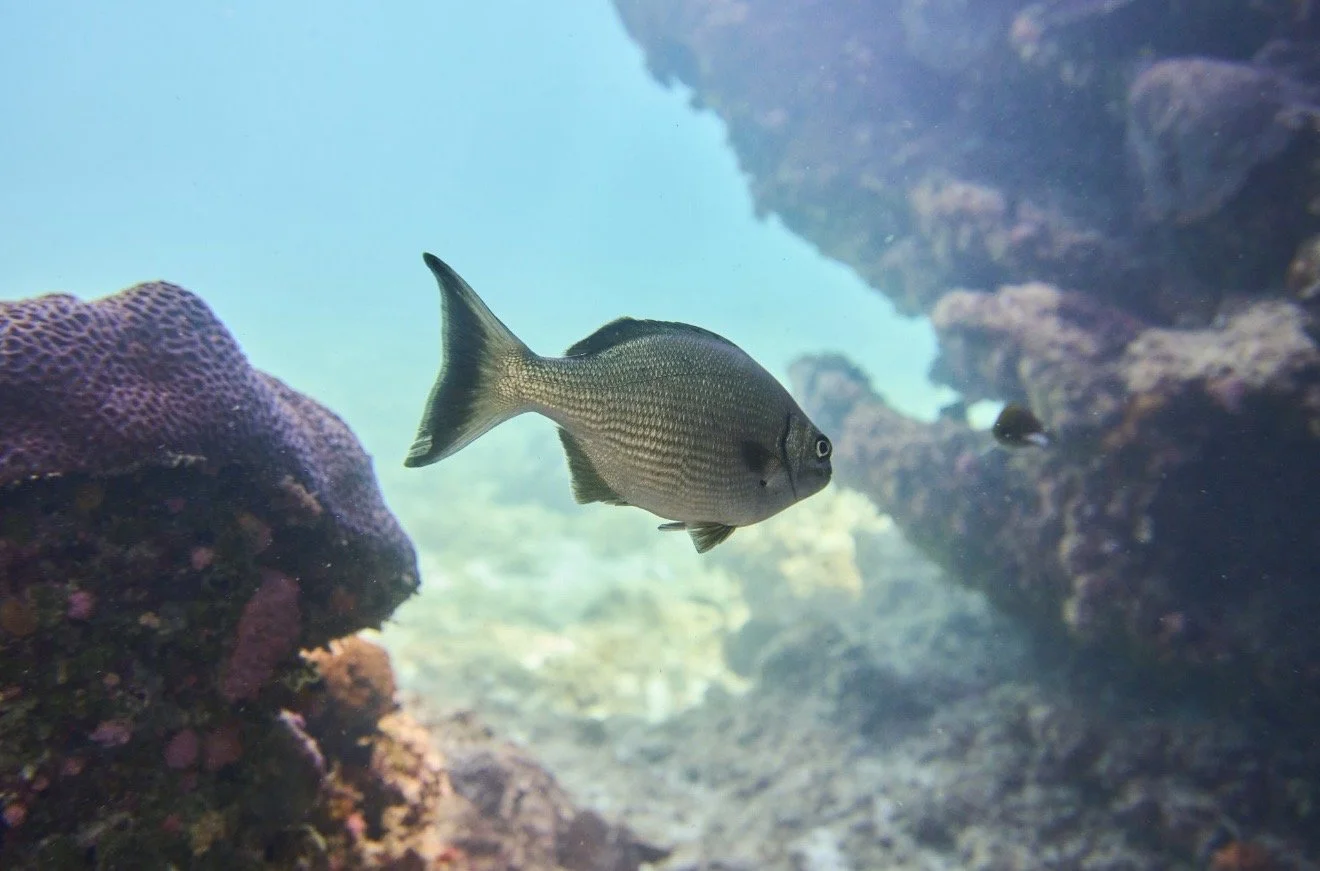
Fish, seagrass, macroalgae and intertidal and subtidal invertebrates are monitored in the Jurien Bay Marine Park on three-year cycles. Water temperature is recorded annually, and Australian sea lion colonies are monitored monthly during the peak breeding season.
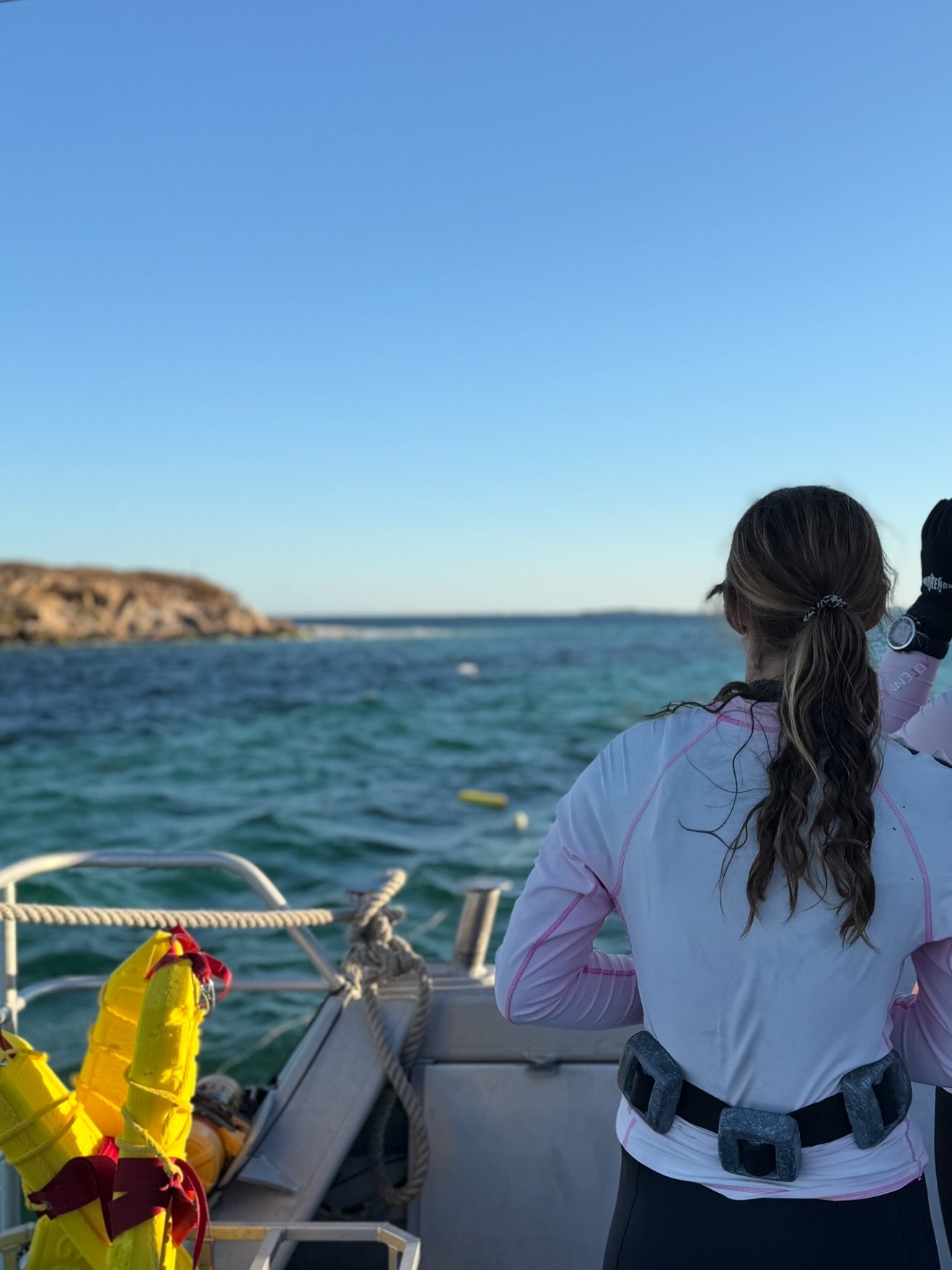
Researchers use methods including underwater video, field surveys, habitat assessments and wildlife population monitoring. Threatened animals living on the offshore islands are also studied through targeted programs. Dibbler populations on Boullanger, Whitlock and Escape islands have been monitored for several decades.
The information gathered helps identify ecological change, emerging threats and areas requiring further protection. It also allows scientists to compare protected sanctuary zones with areas where fishing and other activities are permitted.
Research & Long-Term Monitoring
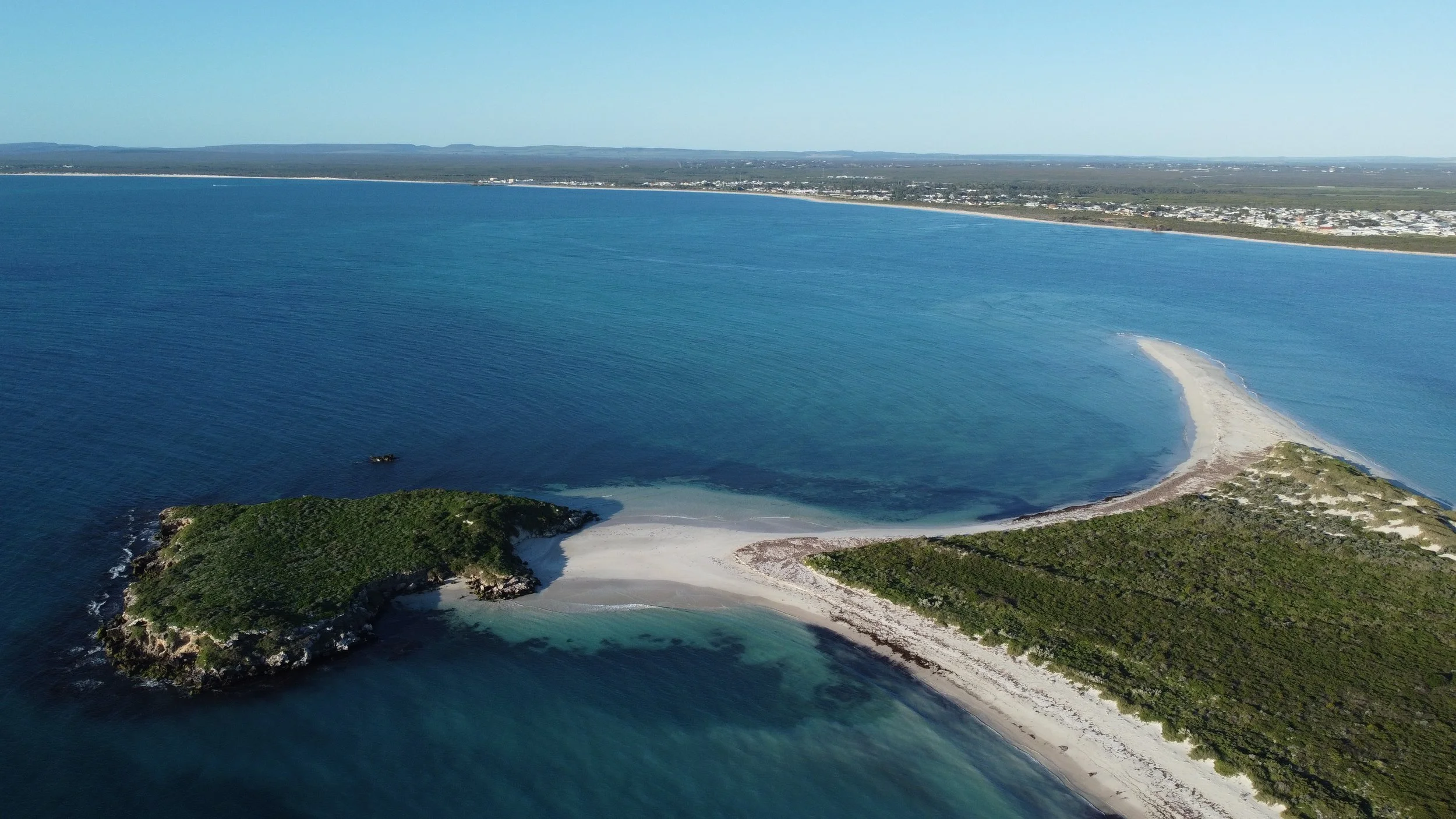
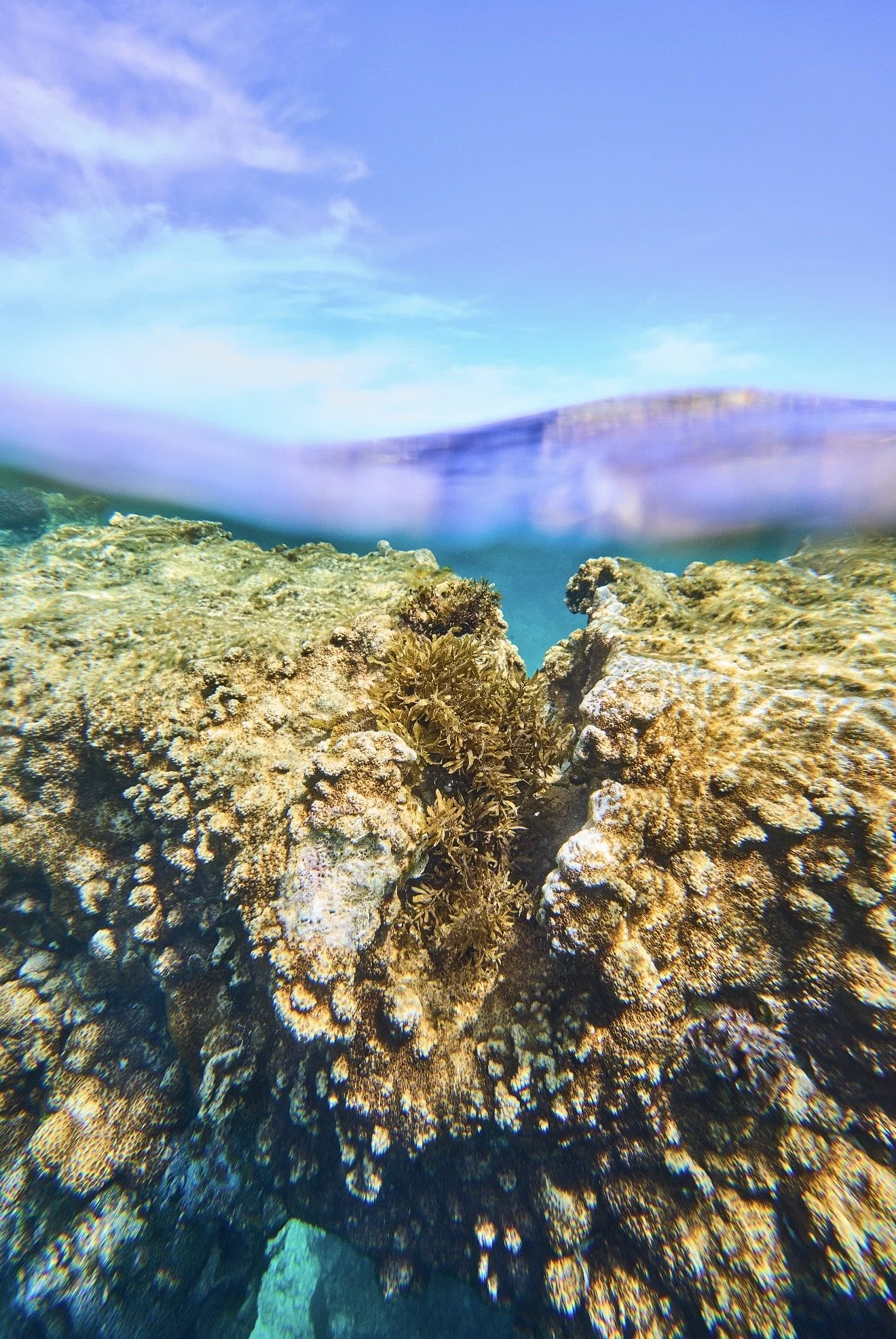
Conservation work throughout the park includes protecting breeding sites, monitoring threatened species, managing island access and reducing damage to reefs, seagrass meadows and coastal vegetation.
Recent local programs have included targeted monitoring of dibbler populations and large-scale marine debris clean-ups along the Jurien Bay coastline. Collected debris is classified and recorded to help identify its sources and guide future prevention efforts.
Visitors can support this work by following zone rules, maintaining the required distance from wildlife, anchoring over sand and taking all rubbish home. Staying on designated island beaches also protects native vegetation and the animals that depend on it.
Conservation in Practice
Frequently Asked Questions
-
The park is managed by the Department of Biodiversity, Conservation and Attractions through its Parks and Wildlife Service on behalf of the Western Australian community.
-
The zones define where particular activities can occur. They protect important habitats and wildlife while supporting recreation, tourism, fishing, research and other approved uses in designated areas.
-
Fishing is permitted in some areas of the marine park and prohibited in sanctuary zones. Different fishing rules may apply depending on the location and species. Check the current zoning map and fishing regulations before departure.
-
A sanctuary zone is a protected area where fishing and collecting are prohibited. Activities such as boating, swimming, snorkelling, diving and wildlife viewing are permitted.
-
Monitoring programs cover fish, seagrass, macroalgae, marine invertebrates, water temperature and Australian sea lions. Threatened animals living on the offshore islands are also monitored.
-
Australian sea lion colonies in the Jurien Bay Marine Park are monitored monthly during the peak breeding season and daily by our team. The information helps researchers track breeding activity, colony size and population trends.
-
Scientific reference zones provide areas where natural ecological processes can be studied with limited human influence. Researchers can compare these areas with other parts of the marine park.
-
Know the zones, follow fishing and access rules, keep a safe distance from wildlife, anchor over sand and remove all rubbish. Visitors should also avoid disturbing island vegetation, nesting seabirds and resting sea lions.
Related Guides
EXPLORE THE JURIEN BAY MARINE PARK
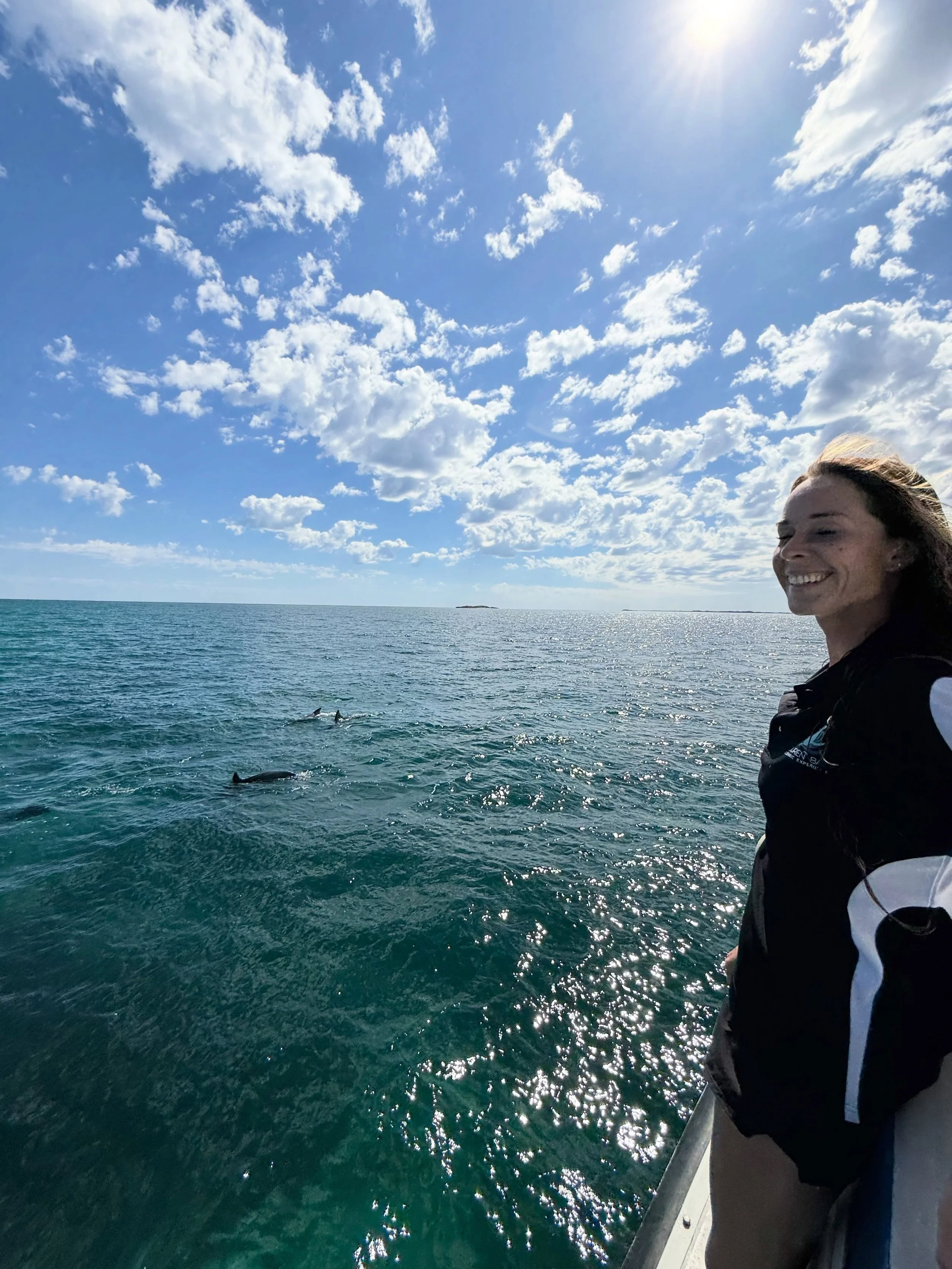
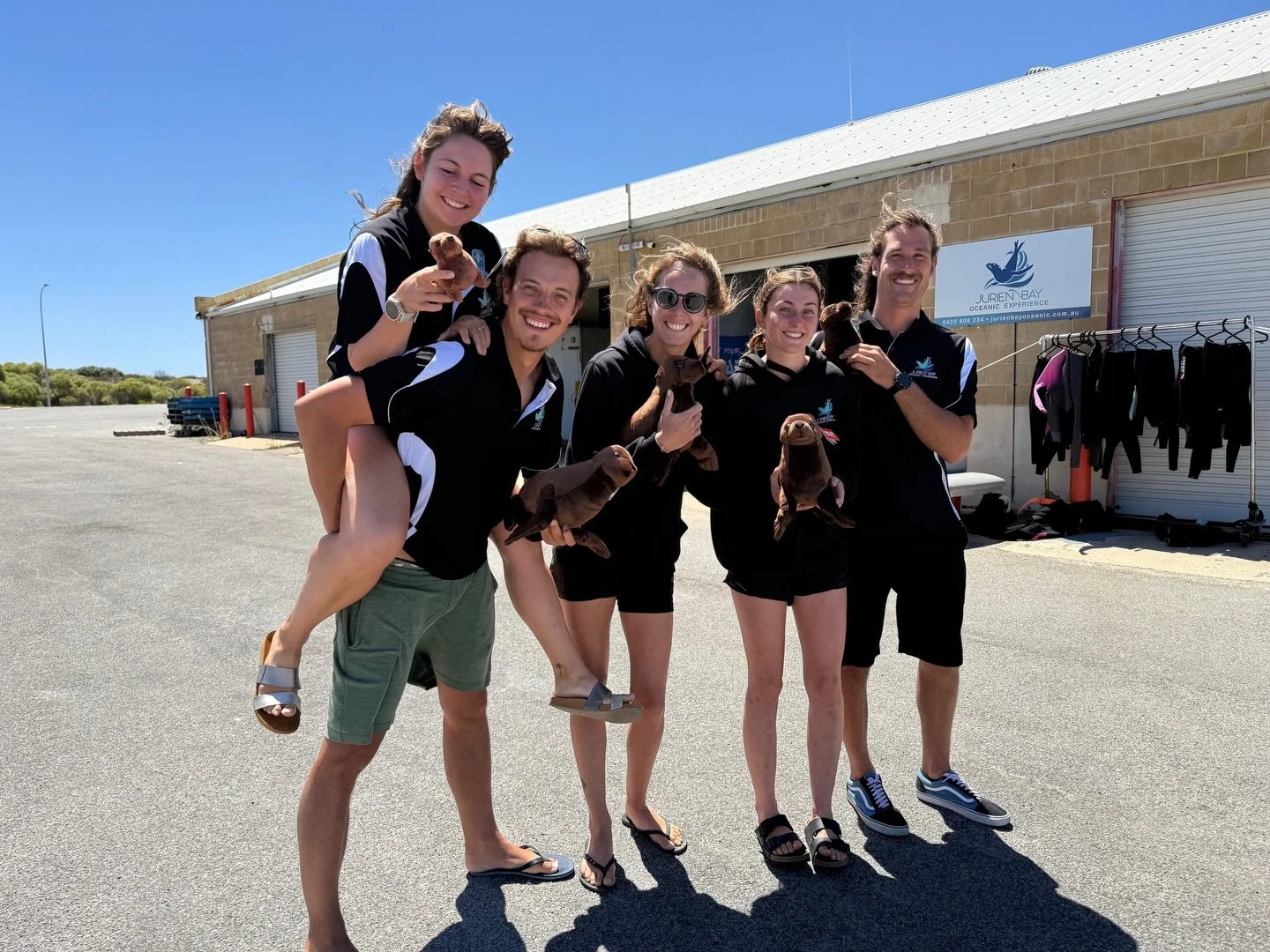
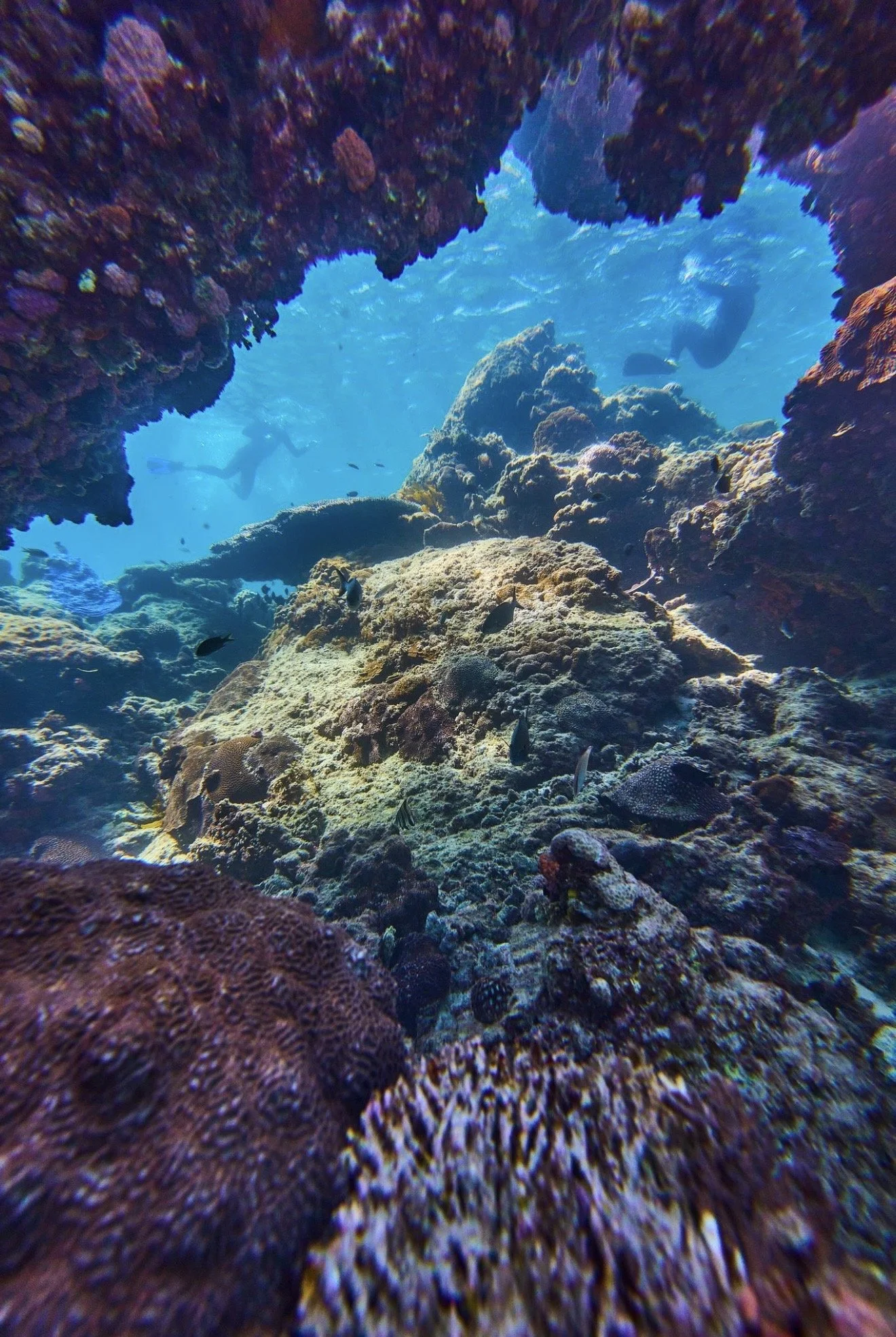
See the habitats, islands and wildlife protected within the park during a locally operated experience guided by our experienced crew and marine biologists.
@jurienbayoceanic