Home > Marine Hub > Jurien Bay Marine Park > About the Jurien Bay Marine Park
About
the Jurien Bay Marine Park
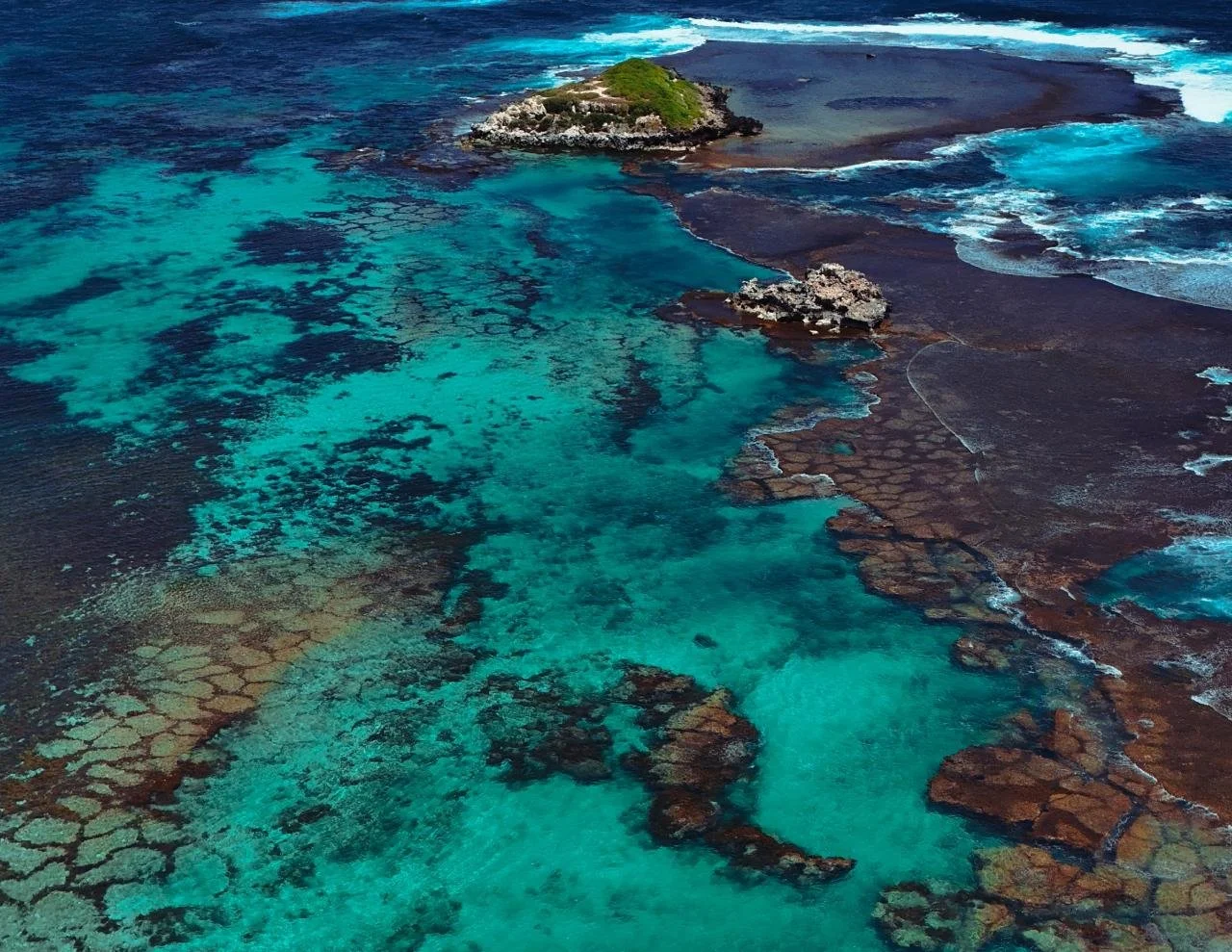
Stretching from Wedge Island to Green Head, the Jurien Bay Marine Park protects a remarkable network of limestone reefs, seagrass meadows, sheltered lagoons and offshore islands along Western Australia’s Turquoise Coast.
Last updated 11 August 2026.
Based on over six decades of experience working across the waters of Jurien Bay.
Local knowledge. Marine expertise. Trusted information.
WHAT IS THE JURIEN BAY MARINE PARK?
The Jurien Bay Marine Park is a protected marine area on Western Australia’s Coral Coast, covering more than 82,000 hectares of ocean between Wedge Island and Green Head. It extends about 5.5 kilometres offshore and includes long limestone reefs, sheltered lagoons, seagrass meadows, sandy seabeds and a chain of offshore islands.
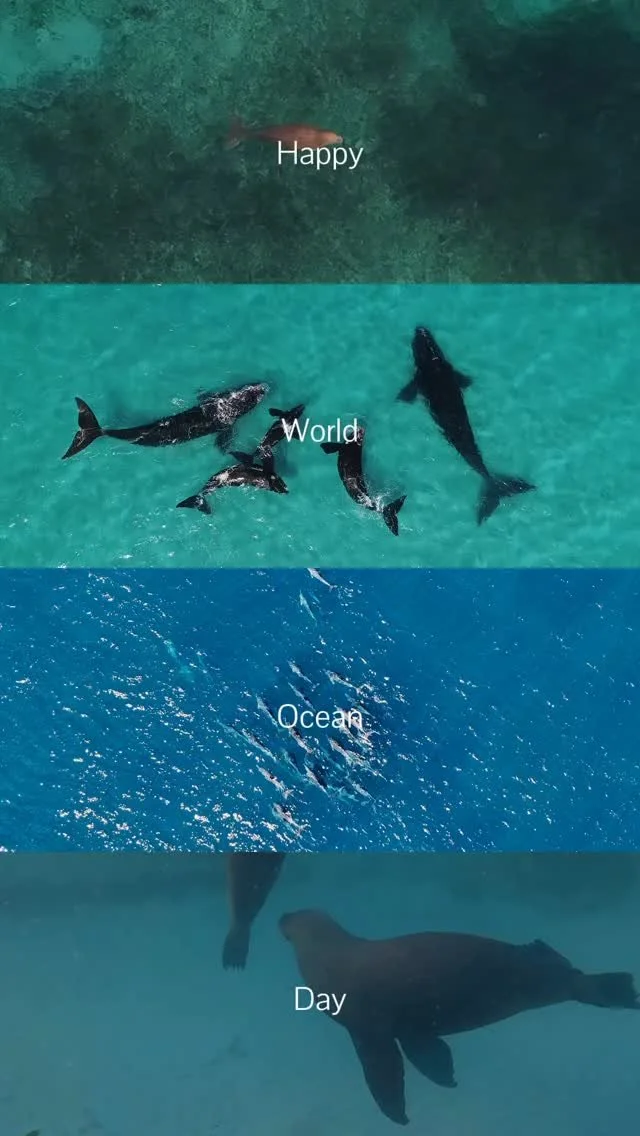
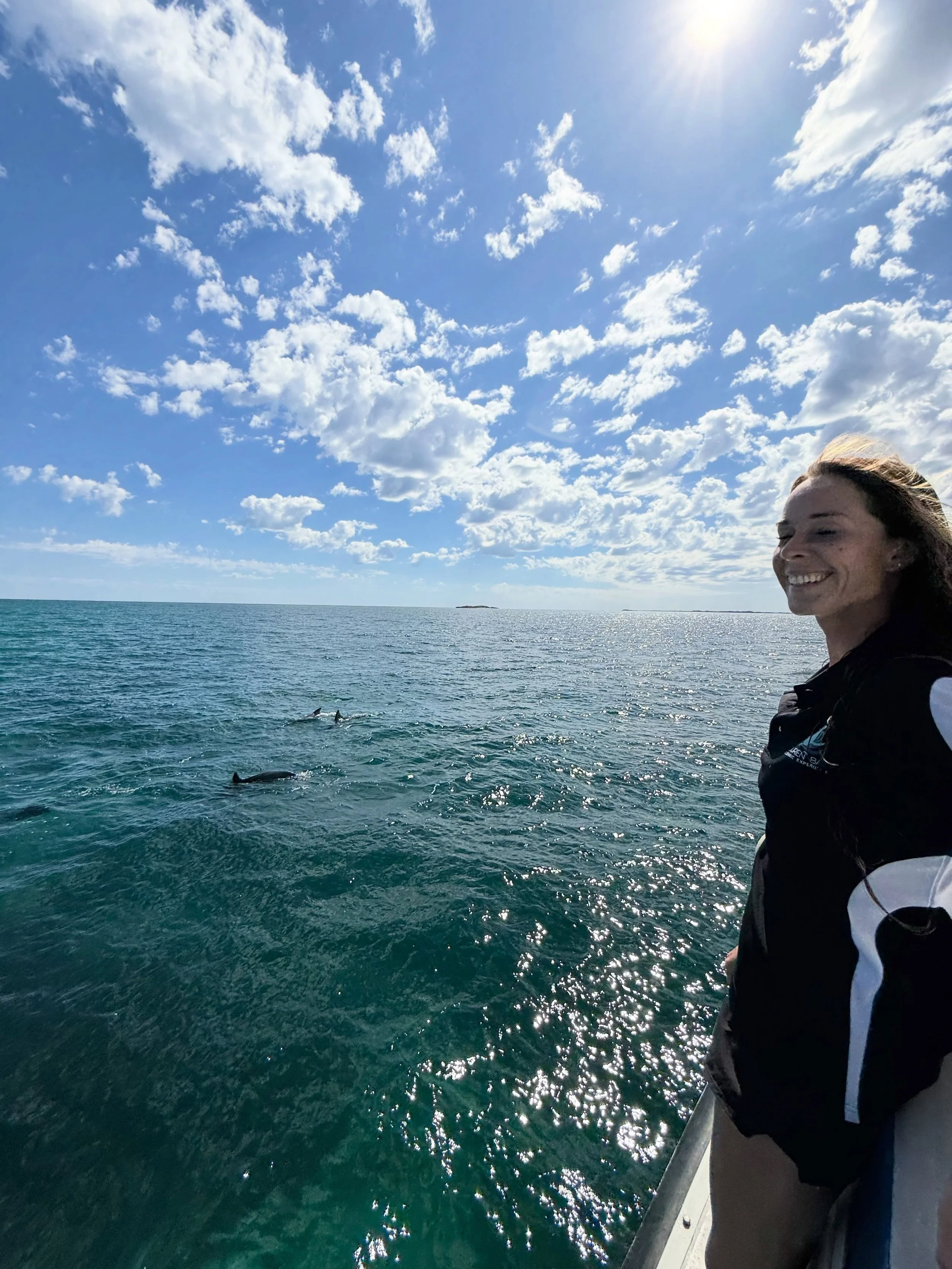
Warm northern waters meet cooler southern waters across the park, supporting an unusual mix of marine plants and animals. Australian sea lions, dolphins, whales, seabirds, western rock lobsters, sharks, rays and many fish species rely on its habitats.
The park can be explored by swimming, snorkelling, diving, kayaking, boating and fishing in permitted areas. Its different management zones protect important habitats and wildlife and guide how people use the marine environment.
Declared in 2003, the Jurien Bay Marine Park protects an extensive limestone reef system running parallel to the coast. These reefs form caves, grottos and overhangs and create sheltered lagoons between the outer reef and the shoreline.
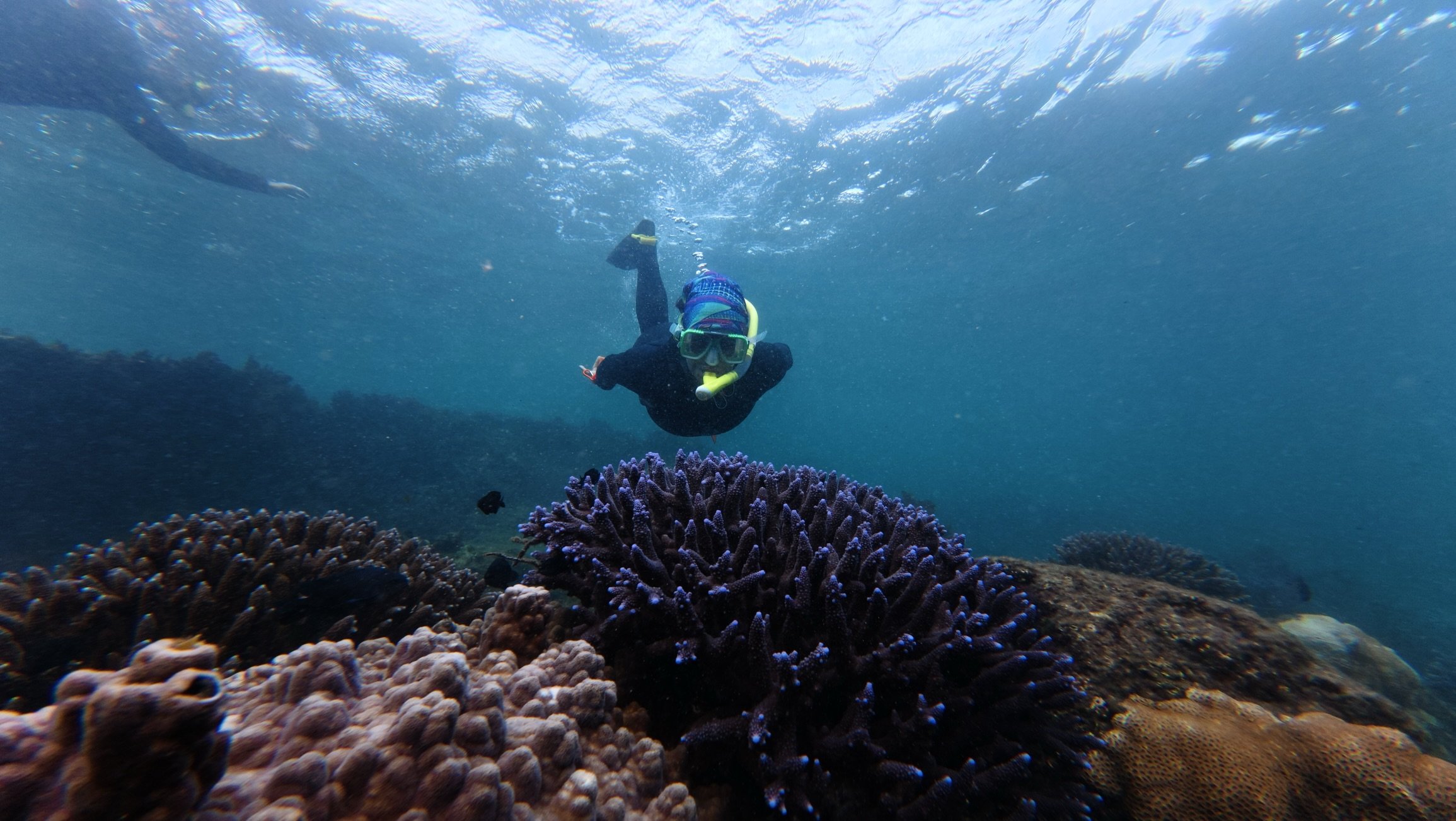
The park contains a temperate reef ecosystem near the northern edge of its natural range. The south-flowing Leeuwin Current carries warmer water along the coast, allowing tropical corals and warm-water fish to live among temperate seagrasses, macroalgae, sponges, sea fans and anemones.
This combination of warm and cool-water species gives the Jurien Bay Marine Park an unusual level of marine diversity. The offshore reefs also help shelter sections of the coastline and create the clear, protected waters for which Jurien Bay is known.
The marine park lies within Yued Country. The Yued people of the Noongar Nation maintain an enduring cultural, spiritual and historical connection to this coastline, its islands and surrounding waters.
What Makes the Jurien Bay Marine Park Unique?
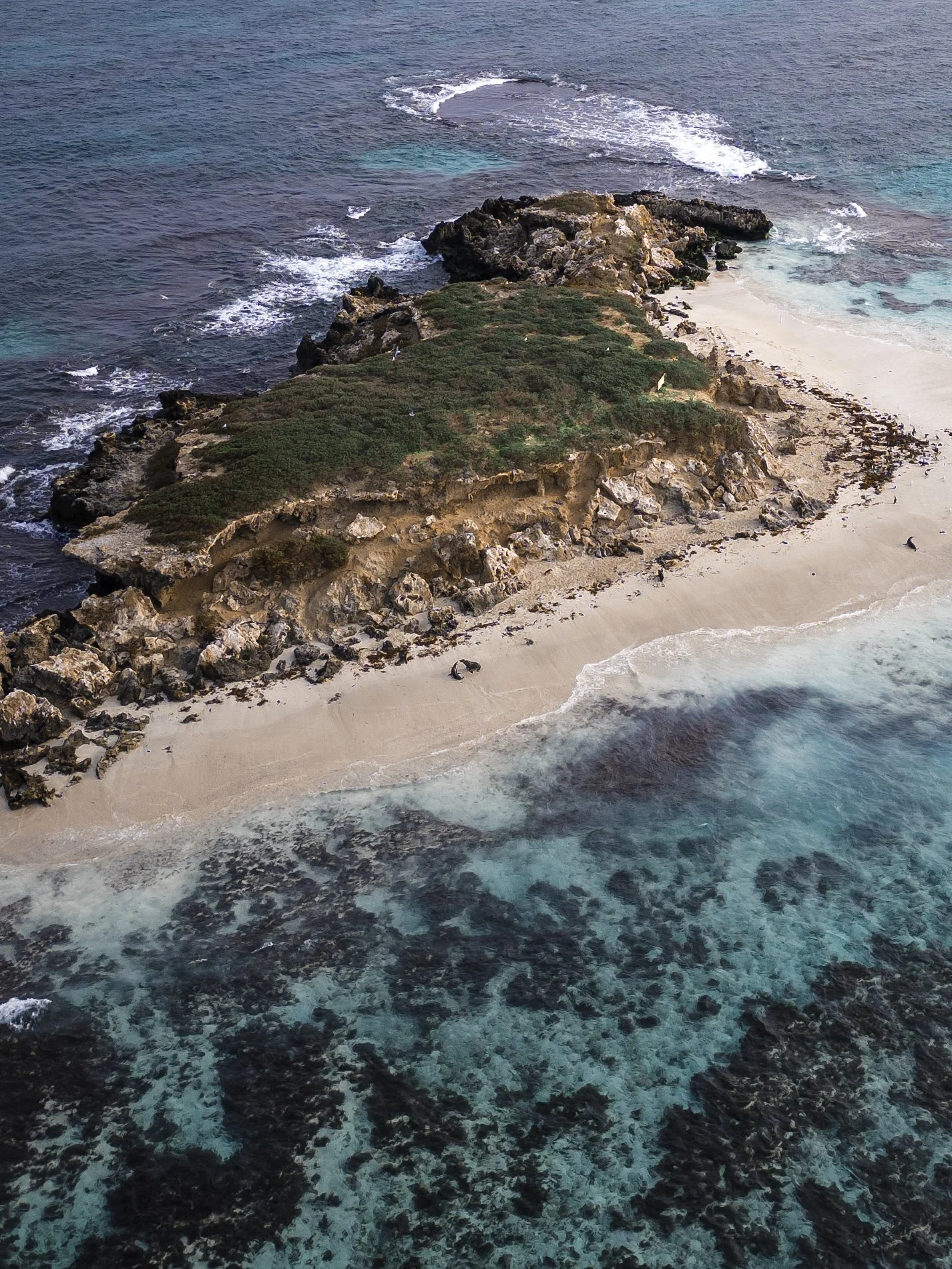
The Jurien Bay Marine Park contains limestone reefs, seagrass meadows, sandy seabeds, shallow lagoons and offshore island habitats. Each environment provides food, shelter, breeding grounds or nursery areas for marine life.
Extensive seagrass meadows grow within the shallow lagoons behind the outer reefs. These meadows provide nursery habitat for juvenile fish and Western rock lobsters and help stabilise the sandy seafloor.
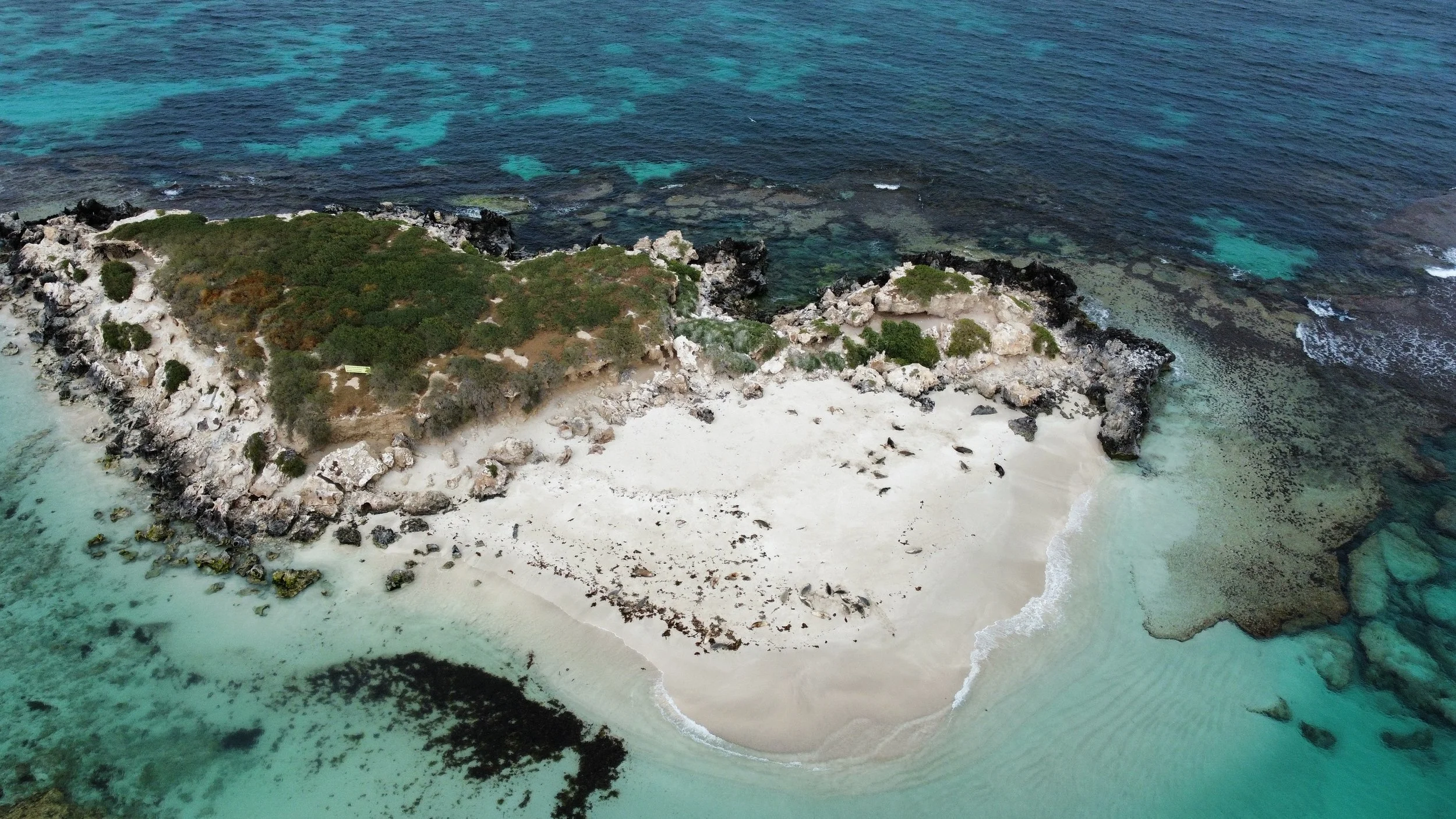
The park contains 25 islands and rocky outcrops, all protected as nature reserves. These islands provide breeding and resting habitat for Australian sea lions and seabirds including fairy terns, ospreys and white-bellied sea eagles. North Fisherman and Buller islands are important Australian sea lion breeding sites.
Bottlenose dolphins, sharks, rays, Western rock lobsters and a wide variety of temperate and warm-water fish live throughout the park. Humpback whales, long-nosed fur seals, turtles and occasional dugongs may also be recorded within its waters.
Habitats and Wildlife of the Marine Park
Understanding the Marine Park Zones
The Jurien Bay Marine Park is divided into different management zones. Each zone has rules that determine which recreational and commercial activities are permitted.
Sanctuary zones provide the highest level of protection for marine habitats and wildlife. Swimming, snorkelling, diving, boating, kayaking and wildlife viewing are permitted. Fishing and collecting marine plants or animals are prohibited.
General use zones cover most of the marine park. These areas allow a range of activities including recreational and commercial fishing, boating, diving, snorkelling, kayaking, windsurfing and kitesurfing, subject to applicable regulations.
The park also contains special purpose zones created to protect particular habitats or support specific activities. These include scientific reference zones, shore-based activity zones, a puerulus monitoring zone used to monitor Western rock lobster larvae and an aquaculture zone.
Anyone fishing or collecting within the marine park must know their location and understand the rules for that zone. Use the current Jurien Bay Marine Park visitor guide, official zoning maps and applicable recreational fishing information before entering the water.
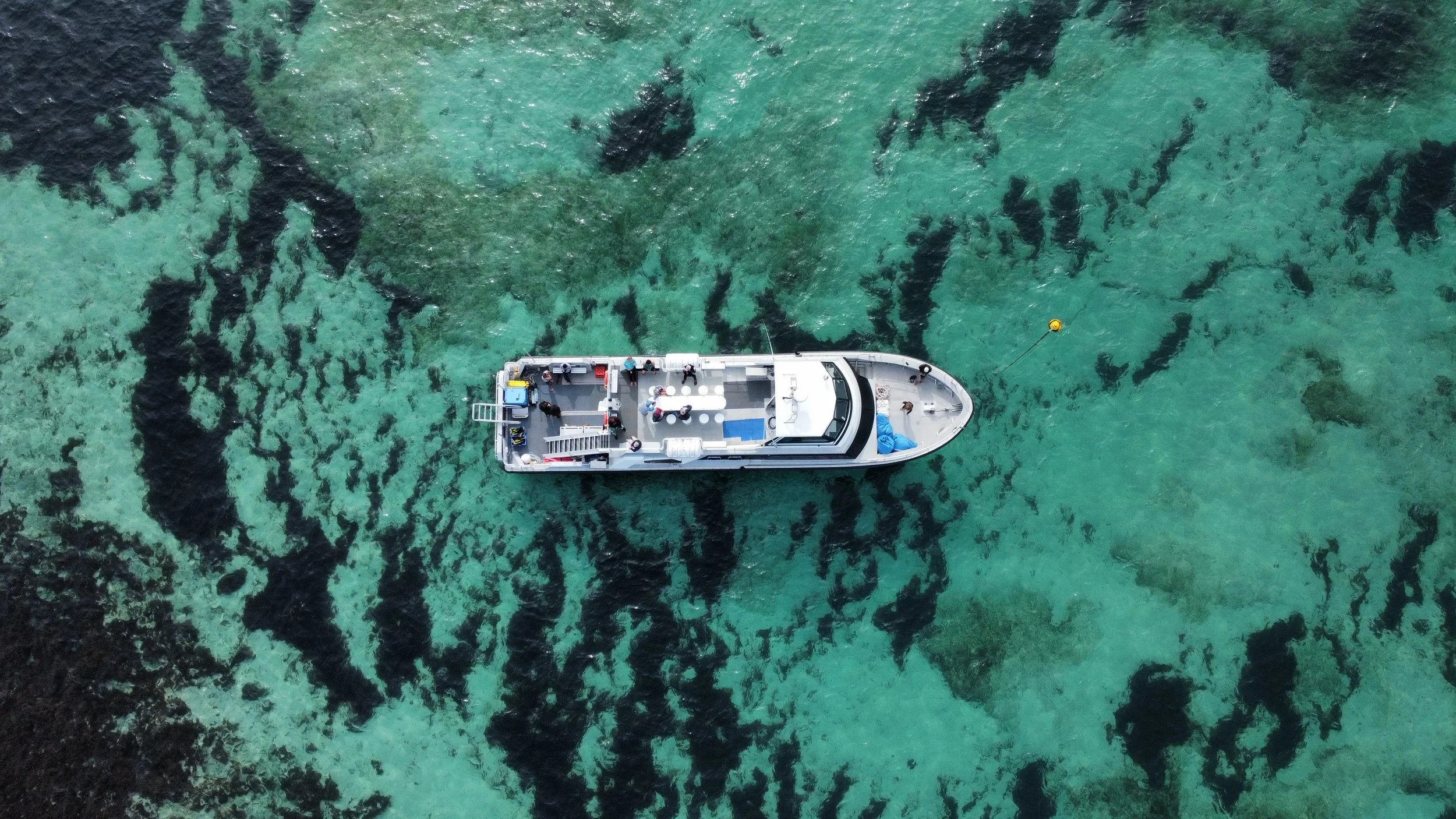
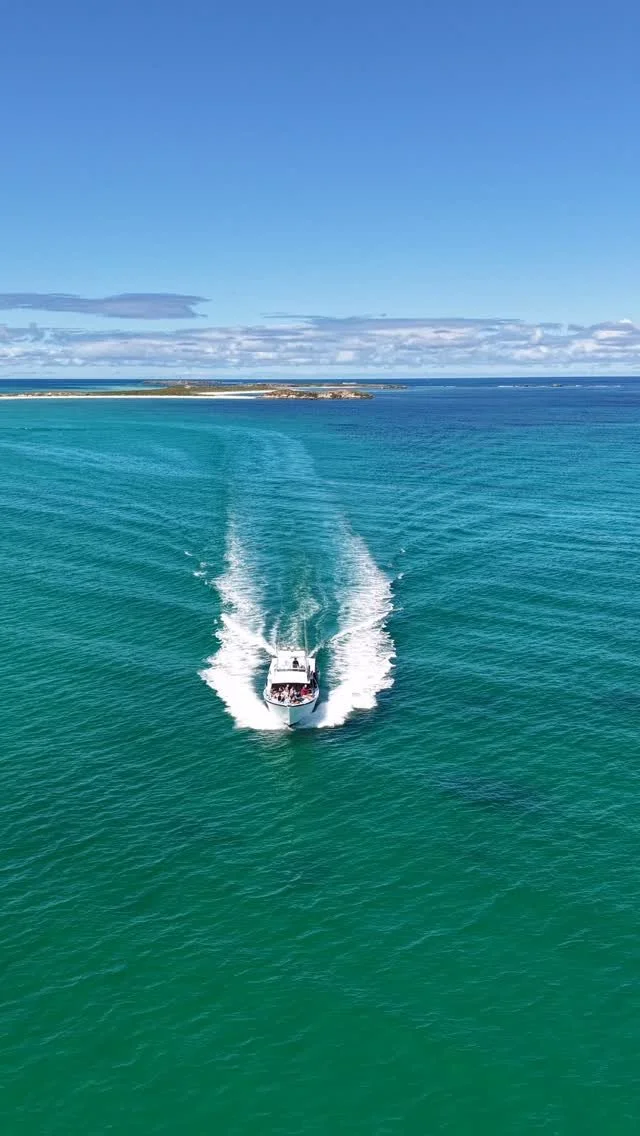
Entry to the Jurien Bay Marine Park is free. Visitors can reach the park from beaches along the coast or launch vessels from Jurien Bay, Cervantes and Green Head.
Swimming, snorkelling, scuba diving, kayaking, boating and other low-impact recreational activities are permitted throughout the park. Fishing is allowed in many areas outside sanctuary zones and remains subject to current zone restrictions, licences, seasons, size limits and bag limits.
Access to the park’s island nature reserves is restricted. Daylight access to designated beaches is permitted on Favorite, Boullanger, Whitlock, Escape, North Cervantes, North Green, South Green and Wedge islands. Visitors must remain on the beaches and stay out of the vegetation. Access to the remaining islands and rocky outcrops is prohibited. Pets are not permitted on any island nature reserve.
Check the weather, ocean conditions and marine park zones before departing. Anchor over sand to prevent damage to reefs and seagrass, take all rubbish back to shore and keep a safe distance from wildlife. Report sick, injured or stranded native animals to the Wildcare Helpline or the Jurien Bay Parks and Wildlife office.
How to Explore the Marine Park Responsibly
Frequently Asked Questions
-
The Jurien Bay Marine Park is located on Western Australia’s Coral Coast. It extends from Wedge Island in the south to Green Head in the north and approximately 5.5 kilometres offshore.
-
The marine park protects more than 82,000 hectares of coastal waters, reefs, lagoons, seagrass meadows and offshore island habitats.
-
Yes. Entry to the marine park is free. Fees may apply for commercial tours, camping and entry to nearby national parks.
-
Yes. Swimming, snorkelling and scuba diving are permitted throughout the marine park, including within sanctuary zones. Always check the weather, ocean conditions and your own ability before entering the water.
-
Fishing is permitted in many general use and special purpose zones. Fishing is prohibited within sanctuary zones. Fishers must follow the current marine park zoning rules and all recreational fishing regulations.
-
The park supports Australian sea lions, bottlenose dolphins, seabirds, Western rock lobsters, sharks, rays and many fish species. Humpback whales, turtles, long-nosed fur seals and occasional dugongs may also visit its waters.
-
Daylight access is permitted on designated beaches at eight island nature reserves. Visitors must remain on the beach and stay out of the vegetation. Access to all other islands and rocky outcrops is prohibited.
-
The Jurien Bay Marine Park is managed by the Department of Biodiversity, Conservation and Attractions through the Parks and Wildlife Service. Fishing regulations are administered by the Department of Primary Industries and Regional Development.
Related Guides
EXPERIENCE THE JURIEN BAY MARINE PARK
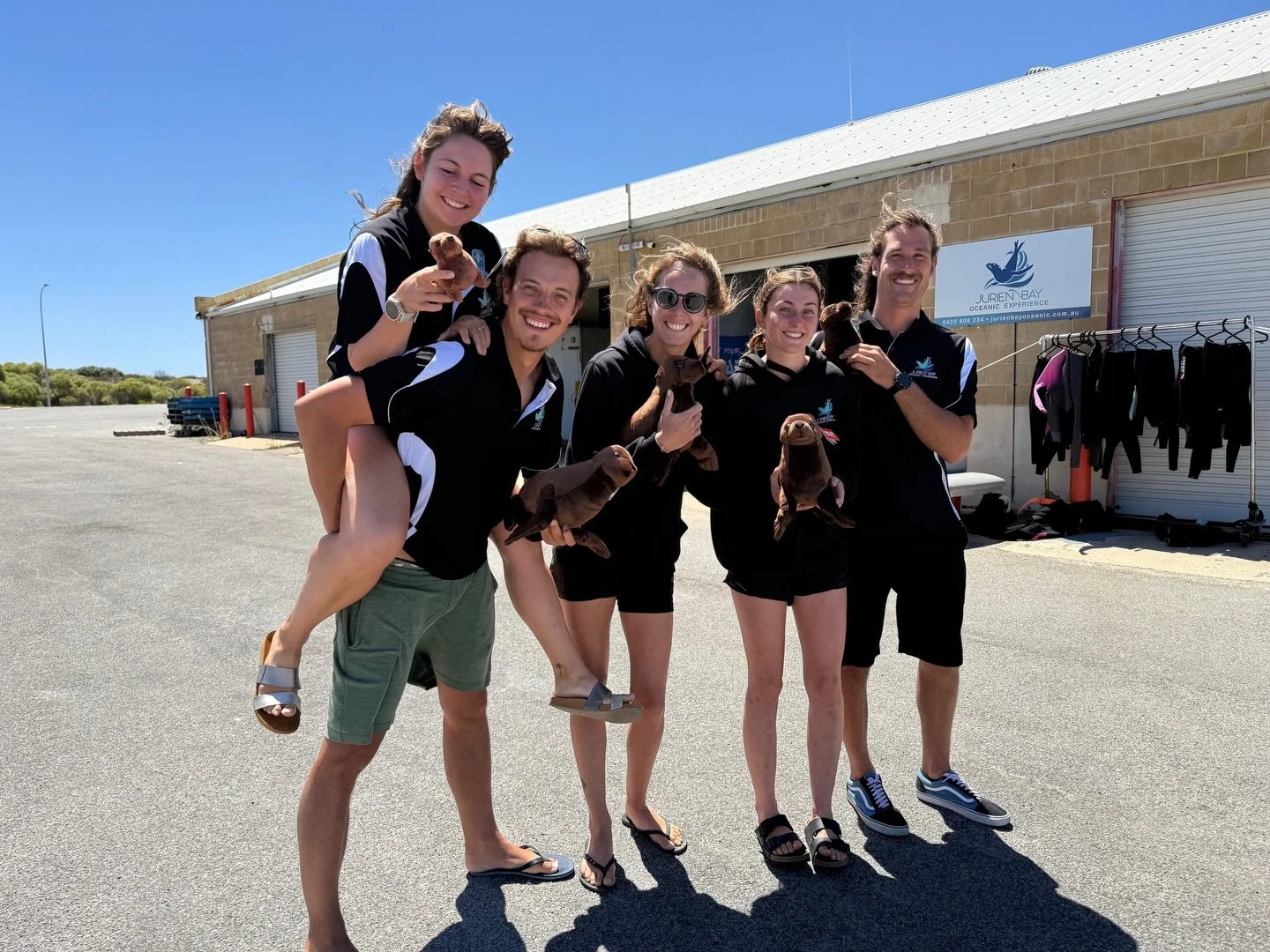
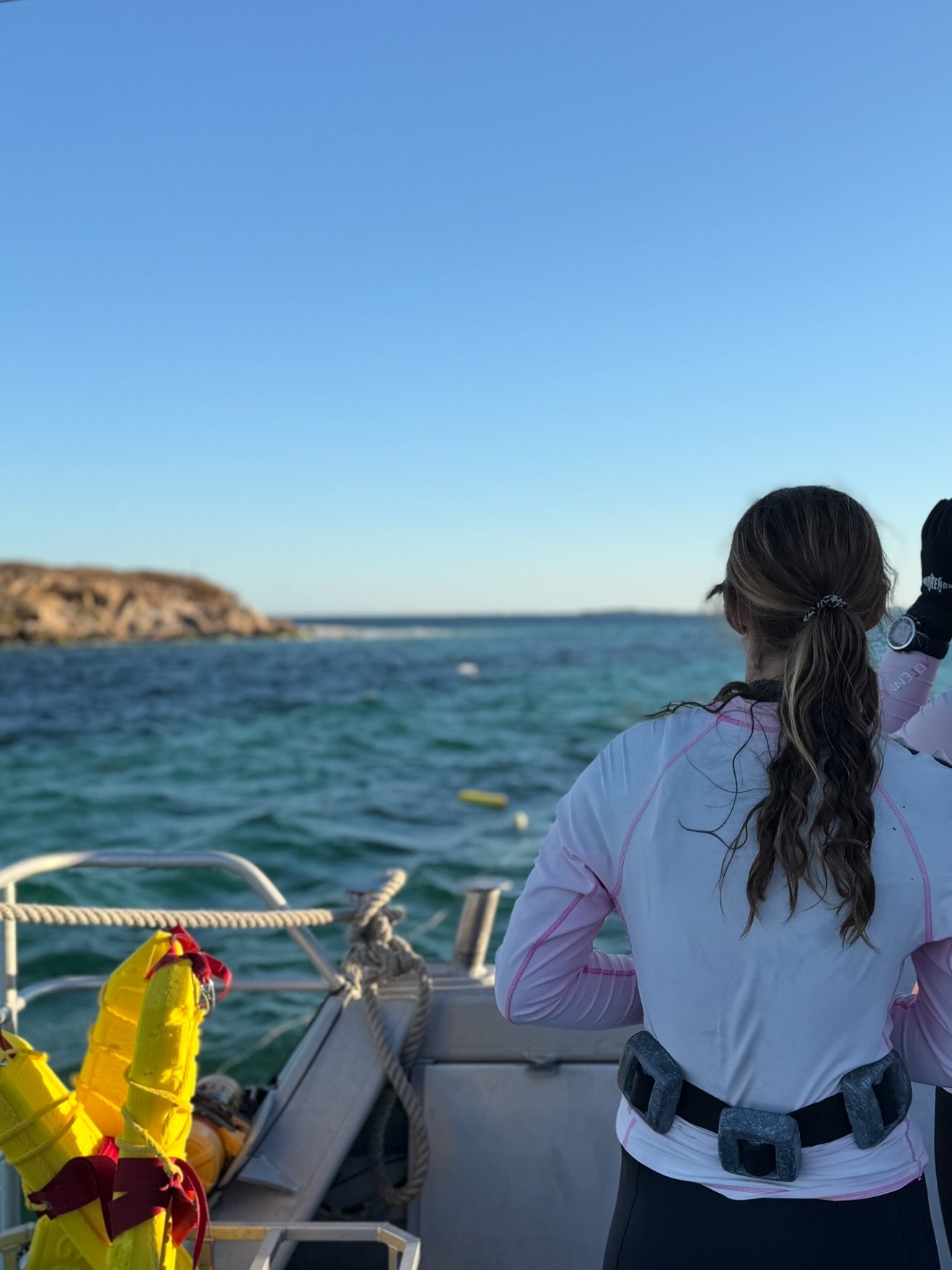
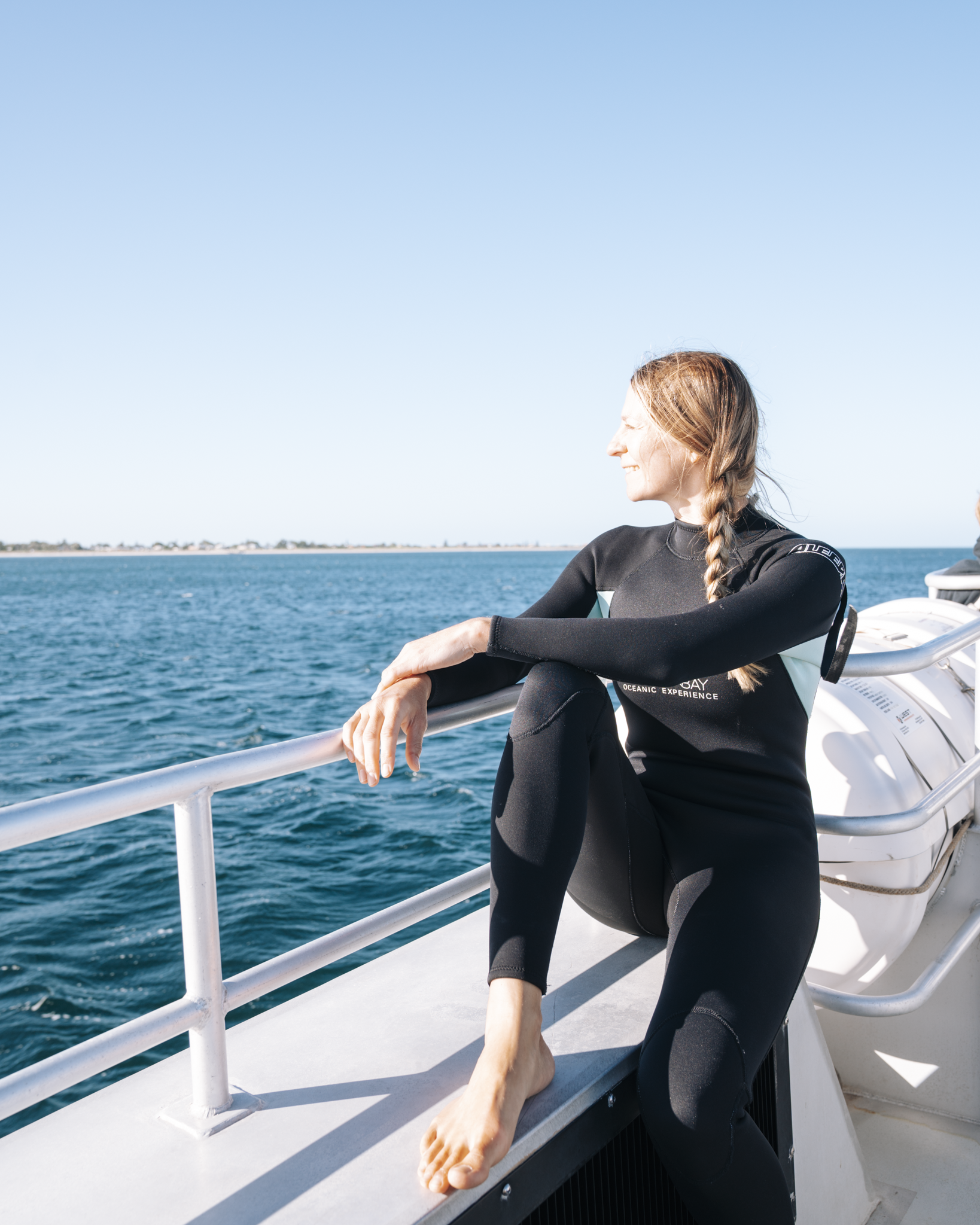
Spend a full day exploring the park’s islands, reefs and wildlife with our experienced local crew and marine biologists. Swim with wild Australian sea lions, snorkel over vibrant reefs and discover parts of the marine park that can only be reached by boat.
@jurienbayoceanic