Home > Marine Hub > Marine Wildlife > Seabirds of Jurien Bay
Seabirds
of Jurien Bay
────────────
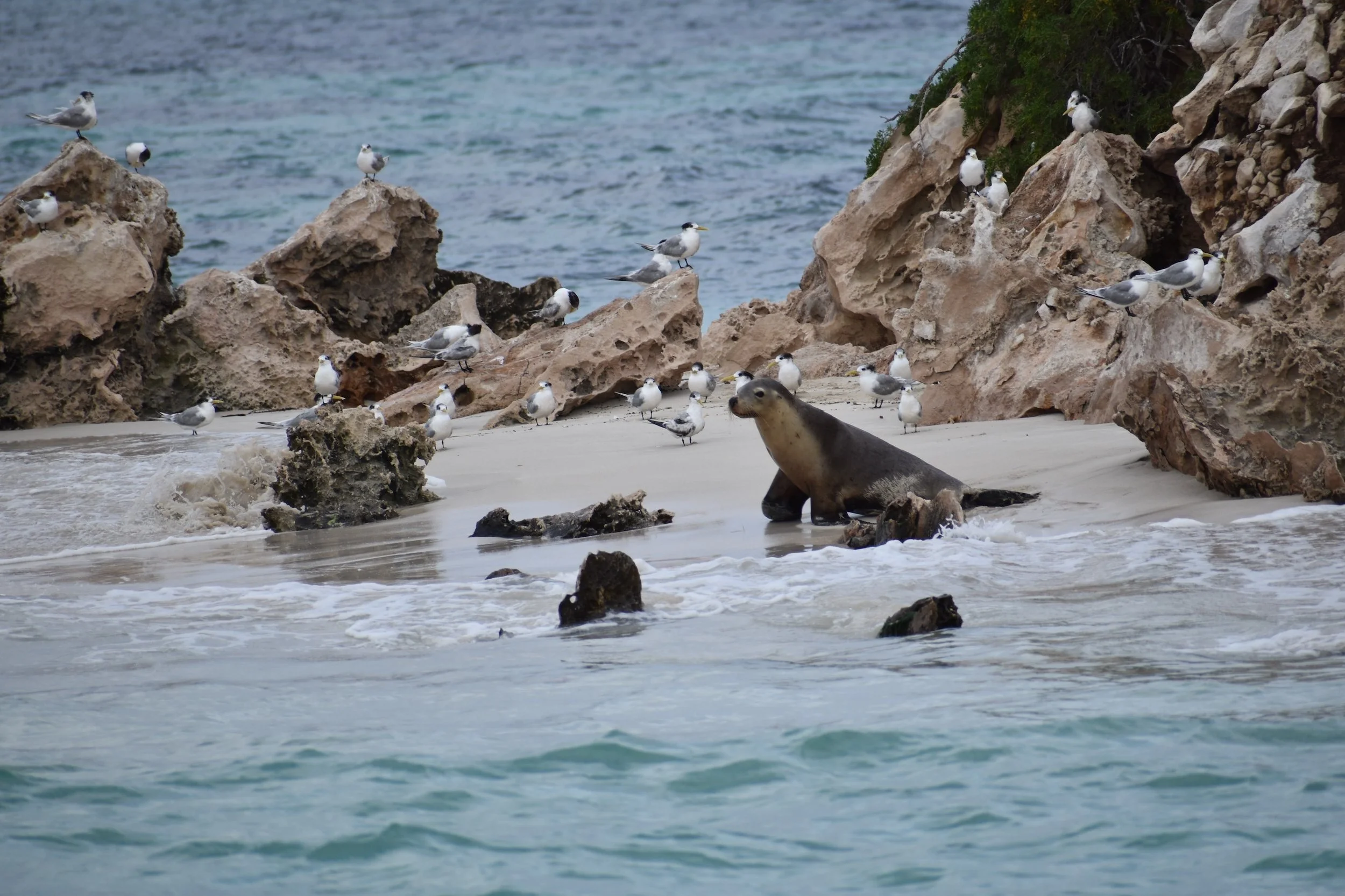
The islands and coastal waters of the Jurien Bay Marine Park support seabirds throughout the year. Ospreys and white-bellied sea-eagles search for fish around the islands. Pied cormorants rest on limestone outcrops, crested terns gather above baitfish and Australian pelicans move through sheltered bays.
This guide shares the birds we see regularly, the places they use and the local observations gathered through decades on the water.
Last updated 10 August 2026.
Based on over six decades of experience exploring the wildlife of the Jurien Bay Marine Park.
Local knowledge. Real experience. Trusted information.
1 . Why is Jurien Bay a Safe Haven for Seabirds?
────
At least 15 seabird species are known to breed within the Jurien Bay Marine Park. Twelve species have been recorded breeding on North and South Fisherman Islands alone.
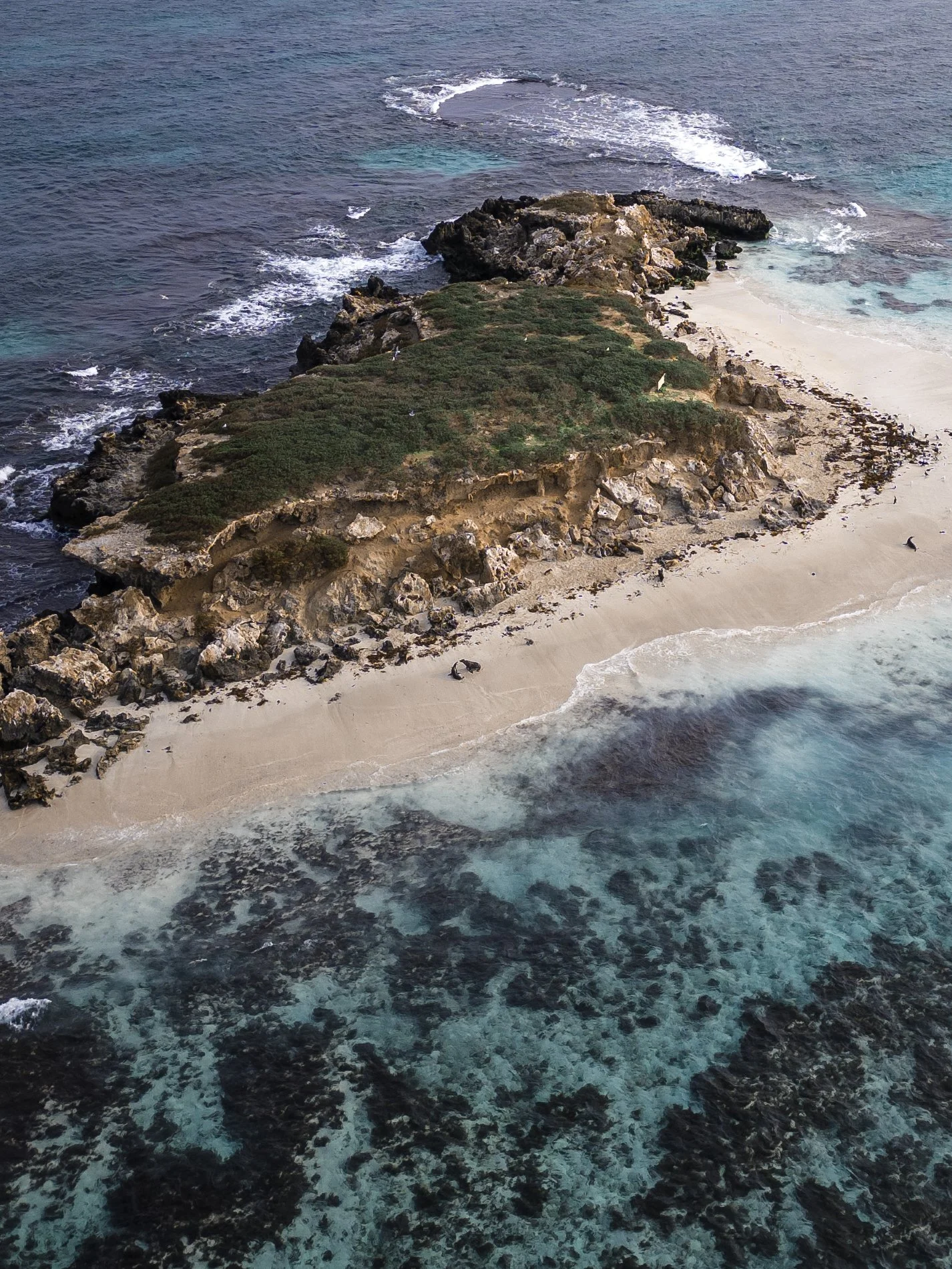
The small offshore islands and rocky outcrops provide places for seabirds to rest, nest and raise their young. Many breeding colonies are separated from mainland predators such as foxes and feral cats.
The surrounding reefs and coastal waters also provide important feeding areas. Ospreys search for fish near the surface, cormorants hunt underwater and terns gather above schools of baitfish.
Seabirds can be seen throughout the year. A boat trip through the Marine Park gives visitors a closer look at the islands and feeding areas used by local birds. Many species can also be observed around the beaches, marina and coastline.
2 . Meet the Seabirds of Jurien Bay
────
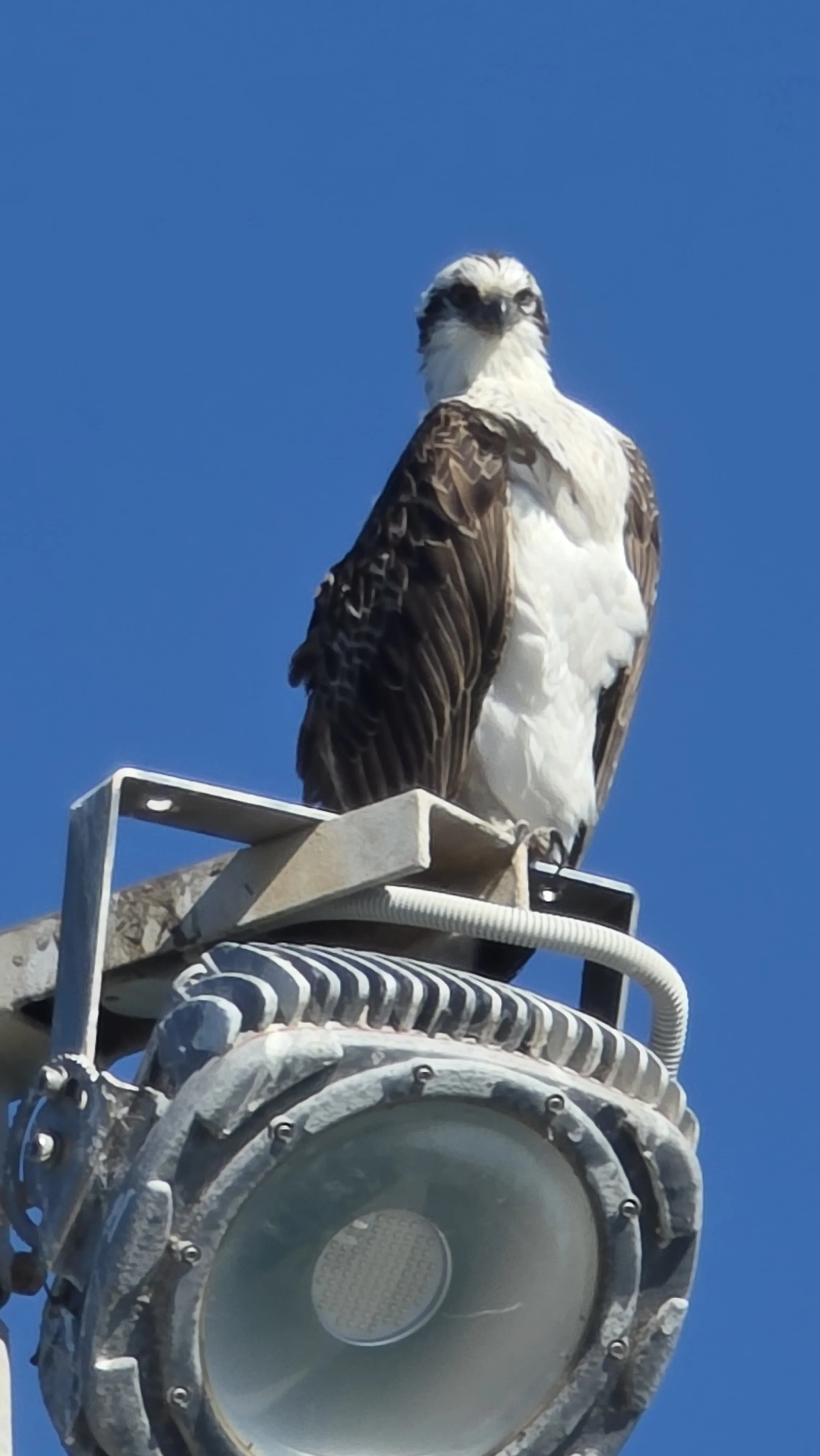
Ospreys are regularly seen around the islands and coastline of the Jurien Bay Marine Park. These specialist fish hunters can hover briefly above the water before entering feet-first to catch their prey. Their large stick nests are a familiar sight on elevated points around the islands.
The white-bellied sea-eagle is a larger coastal bird of prey. Adults are easily recognised by their white head and body, grey wings and broad shape in flight. They search the coastline for fish and other available prey.
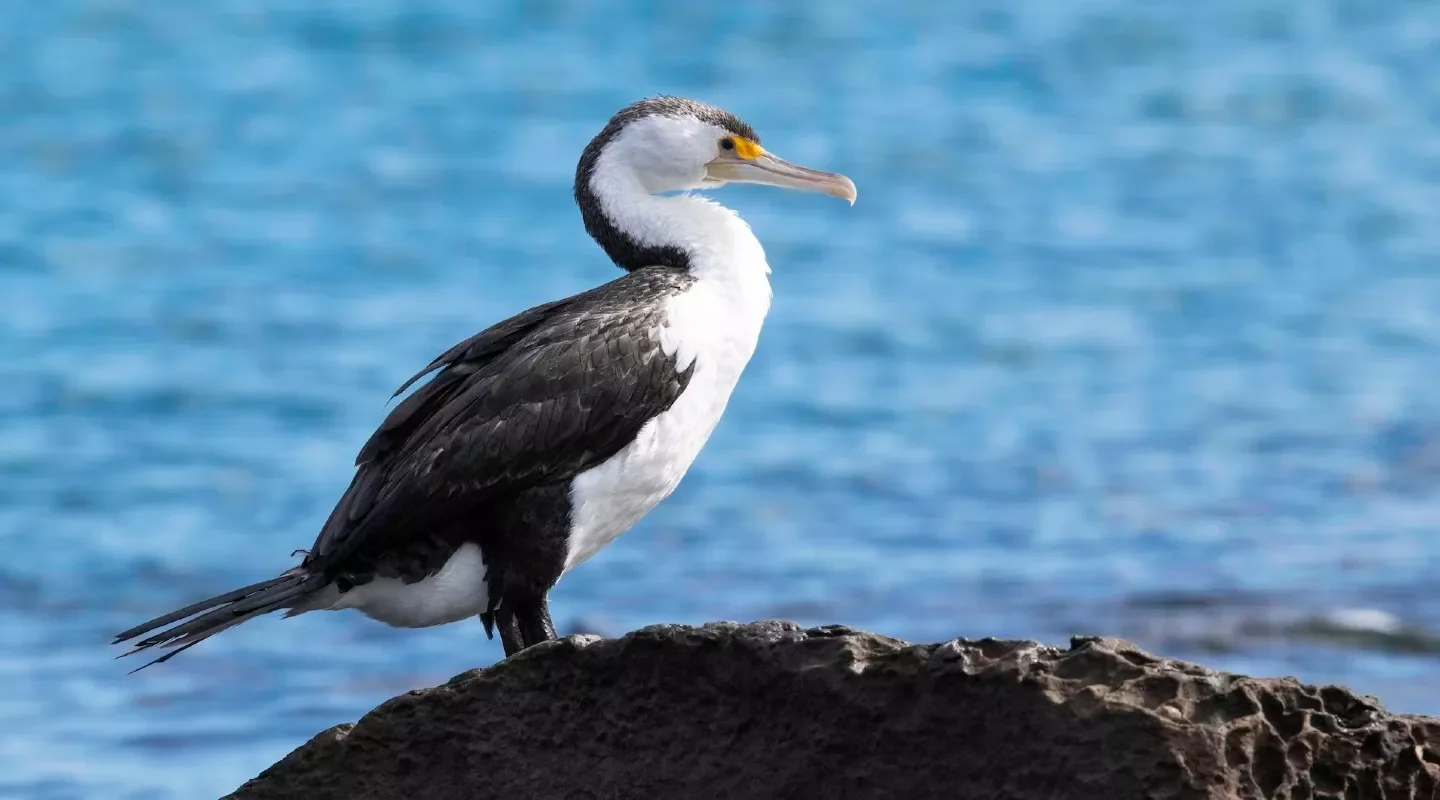
Pied cormorants chase fish beneath the surface and return to rocks, jetties and beaches to rest. Their outstretched-wing posture is often used to dry their feathers after diving.
Australian pelicans are commonly seen around sheltered bays, beaches and the Jurien Bay marina. Crested terns gather in flocks over the water and dive into schools of small fish.
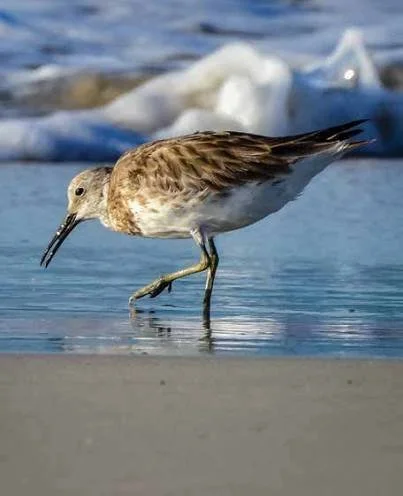
Shorebirds are also part of the local bird community. Sanderlings can be spotted foraging along the beach, moving quickly at the water’s edge as they search for food.
3 . Our Love for Jurien Bay Seabirds
────
Spending so much of our lives on the water has given us a deep appreciation for the seabirds of the Jurien Bay Marine Park. Their nests, calls and daily routines have become familiar parts of our working day.
We know several osprey nests scattered throughout the islands. Watching the same nests season after season has given us the chance to see breeding pairs return, add new sticks and raise their chicks. A nest can grow into an enormous structure after years of use.
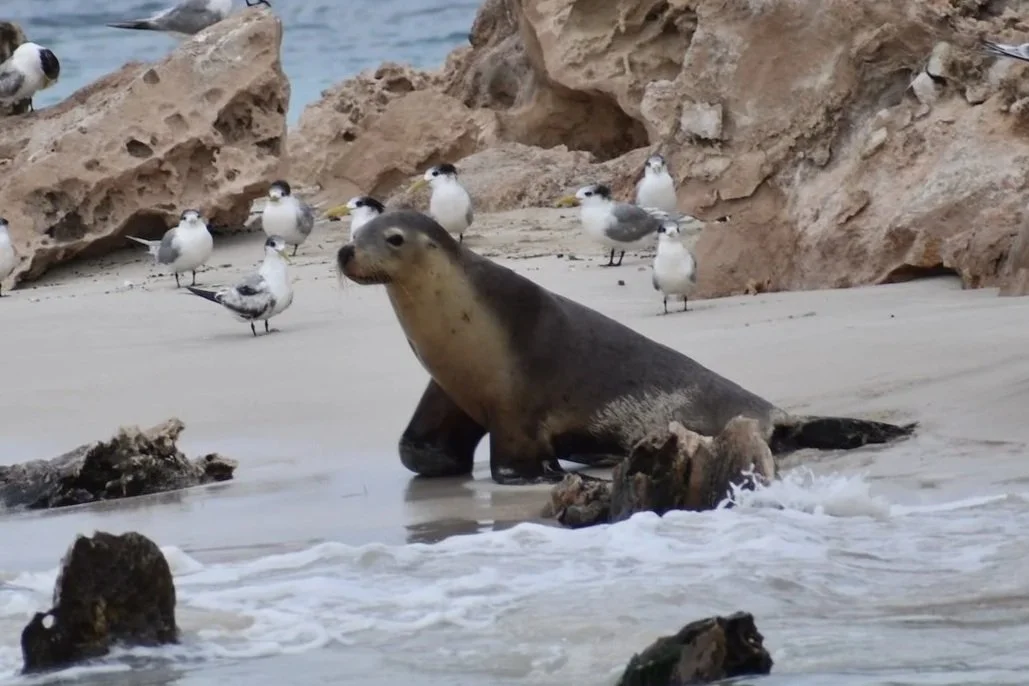
Seabirds often give us clues about activity beneath the surface. A sudden gathering of terns can lead our eyes to baitfish near the surface. Cormorants appear around feeding sea lions, and pelicans gather where fish are moving through the shallows.
They have also given us plenty of memorable stories. Guests sometimes mistake the pied cormorants resting on Essex Rocks for penguins. A particularly bold petrel once decided to take on Sari. Our “boat birds” made Providence’s live tank their home for years and became a familiar sight for our crew and guests.
These moments are part of our history on the water. The seabirds bring their own character to the Marine Park and continue to teach us more about the connections between the islands, fish and marine wildlife.
4 . Why Seabirds Matter
────
Seabirds connect the waters of the Jurien Bay Marine Park with the islands where they rest and breed.
Many species feed on fish, squid and other marine animals. Their feeding activity can reveal the location of baitfish and other movement near the surface. Changes in seabird numbers, breeding success and feeding behaviour can also provide scientists with useful information about marine conditions.
Protected nesting habitat is essential for successful breeding. Close approaches can cause birds to leave their nests or interrupt the care of eggs and chicks.
Visitors can help by giving seabirds plenty of room, keeping away from active nests and following island access restrictions. Sick or injured wildlife should never be touched. Respectful wildlife viewing gives birds the space to feed, rest and raise their young.
Current Avian Influenza (Bird Flu) Update
Current as at 11 August 2026.
H5 bird flu has been detected in Australia and in a small number of wild migratory seabirds in Western Australia. Surveillance and testing are continuing across the state. The risk to human health remains low.
Visitors can help protect wildlife by keeping a safe distance from sick or dead birds and marine mammals. Do not touch, move or attempt to rescue the animal.
If you see sick or dead wildlife:
• Keep your distance and keep pets away.
• Record the location, date and time.
• Take photographs from a safe distance if possible.
• Report the sighting to the 24-hour Emergency Animal Disease Hotline on 1800 675 888.
At Jurien Bay Oceanic Experience, we continue to follow current wildlife and biosecurity advice from Australian and Western Australian authorities.
For current updates and local detection information, visit the WA Government’s H5 bird flu information page.
-
Common sightings include ospreys, white-bellied sea-eagles, pied cormorants, Australian pelicans and crested terns. Sanderlings and other shorebirds can also be seen along beaches and sheltered sections of coastline. Sightings change with the season, weather and availability of food.
-
Ospreys are regularly seen around the offshore islands and coastline of the Jurien Bay Marine Park. Look for their large stick nests on elevated points and watch for the birds soaring or hovering above the water in search of fish.
-
Ospreys often form long-term breeding pairs. A pair may return to the same nesting site over many breeding seasons, adding sticks and repairing the nest before raising their next chicks.
-
An osprey is a specialist fish hunter with a narrow-winged shape, brown and white plumage and a dark stripe through the eye. It catches fish by entering the water feet-first.
A white-bellied sea-eagle is considerably larger and has broader wings. Adult birds have a white head and body with grey wings. Their diet includes fish and several other forms of prey.
-
Seabirds are present throughout the year. Calm mornings often make it easier to observe birds feeding around the islands, reefs and sheltered bays. Nesting activity changes according to the species and season. Keep a respectful distance from nests, eggs and chicks.
-
Yes. H5 bird flu has been detected in a small number of wild migratory seabirds in Western Australia. Wildlife surveillance and testing remain active across the state.
Avoid contact with any bird that appears sick or has died unexpectedly. Report the sighting to the Emergency Animal Disease Hotline on 1800 675 888. Current information and detection locations are available through the WA Government’s H5 bird flu information page.
-
Yes. H5 bird flu can infect mammals. The Australian Government currently gives the Australian sea lion a very high national risk rating based on the species’ predicted susceptibility and existing vulnerability.
This rating describes the potential impact of H5 bird flu on the species. It does not confirm an infection in Jurien Bay.
Keep your distance from any Australian sea lion that appears sick or has died. Do not touch or approach the animal. Report the sighting immediately to the Emergency Animal Disease Hotline on 1800 675 888.
Frequently Asked Questions
EXPLORE THE JURIEN BAY MARINE PARK WITH CONFIDENCE
Seabirds are part of daily life on the water in Jurien Bay. They guide our eyes towards baitfish, mark familiar islands and have given our crew many stories over the years.
On our tours, we share the wildlife, island habitats and local knowledge our family has gathered across more than six decades on this coastline.
Book a tour and discover the wildlife of the Jurien Bay Marine Park with our local crew.
Continue Exploring Our Marine Wildlife Guides
@jurienbayoceanic