Home > Marine Hub > Marine Wildlife > Fish Species of Jurien Bay
Fish Species
of Jurien Bay
────────────
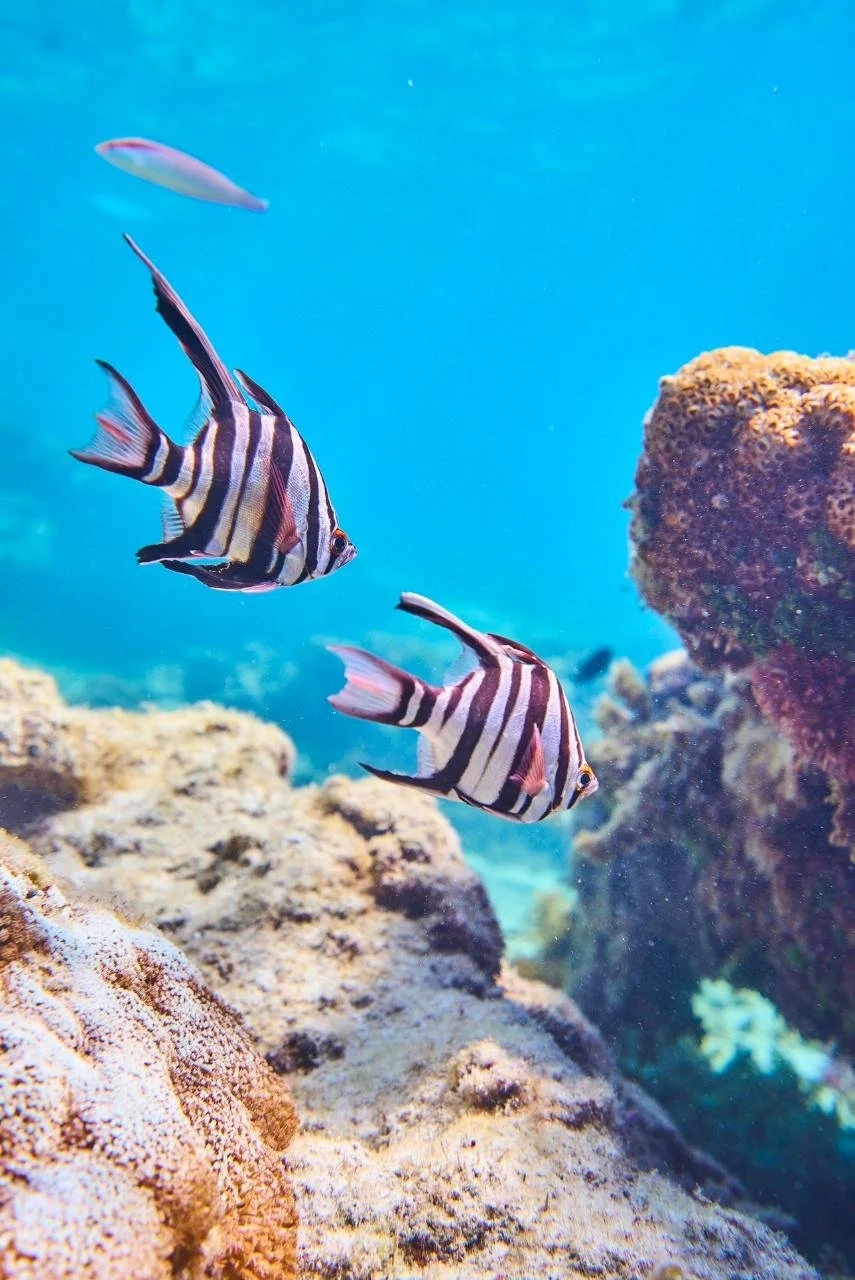
Jurien Bay Marine Park supports a rich mix of temperate and tropical fish species. Limestone reefs, seagrass meadows, sandy seabeds, sheltered lagoons and offshore waters provide habitat for reef fish, schooling fish and larger ocean-going species.
This guide introduces the fish commonly seen around Jurien Bay, the habitats they rely on and their place within the local marine ecosystem.
Last updated 10 August 2026.
Based on over six decades of experience exploring the wildlife of the Jurien Bay Marine Park.
Local knowledge. Real experience. Trusted information.
Top 5 Iconic Fish of
Jurien Bay
──────
1 . What Fish Live in Jurien Bay?
────
The fish community of Jurien Bay reflects the variety of habitats found throughout the Marine Park. Limestone reefs provide shelter for reef fish. Seagrass meadows support juvenile fish and smaller species. Sandy seabeds, offshore islands and open water create suitable conditions for a broad range of coastal and pelagic fish.
The warm Leeuwin Current also influences marine life along this coastline, bringing tropical species south into waters that support many temperate species. This combination contributes to the variety of fish recorded around Jurien Bay.
Many reef fish remain close to rocky habitat throughout their lives. Schooling fish travel through lagoons and coastal waters in search of food. Larger pelagic species move around the islands and offshore reefs following baitfish and seasonal conditions.
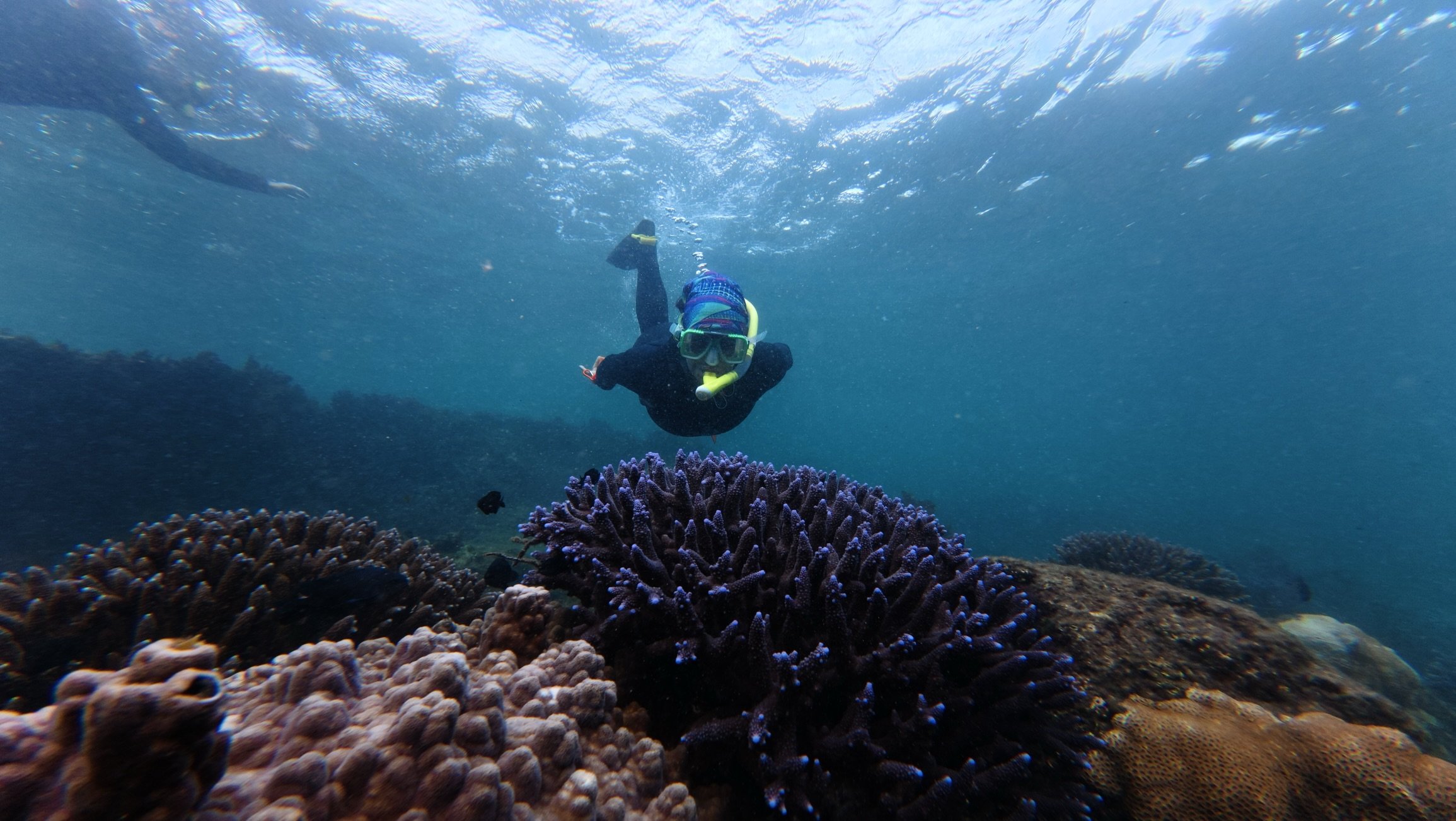
Snorkelling, diving and boating offer different opportunities to observe these fish. Slowing down and looking closely around limestone ledges, seagrass and reef edges often reveals smaller species hidden among the habitat.
2 . Reef Fish
────
The limestone reefs of Jurien Bay Marine Park provide shelter, feeding areas and breeding habitat for a wide range of fish. Cracks, caves, ledges and rocky overhangs create protected spaces throughout the reef.
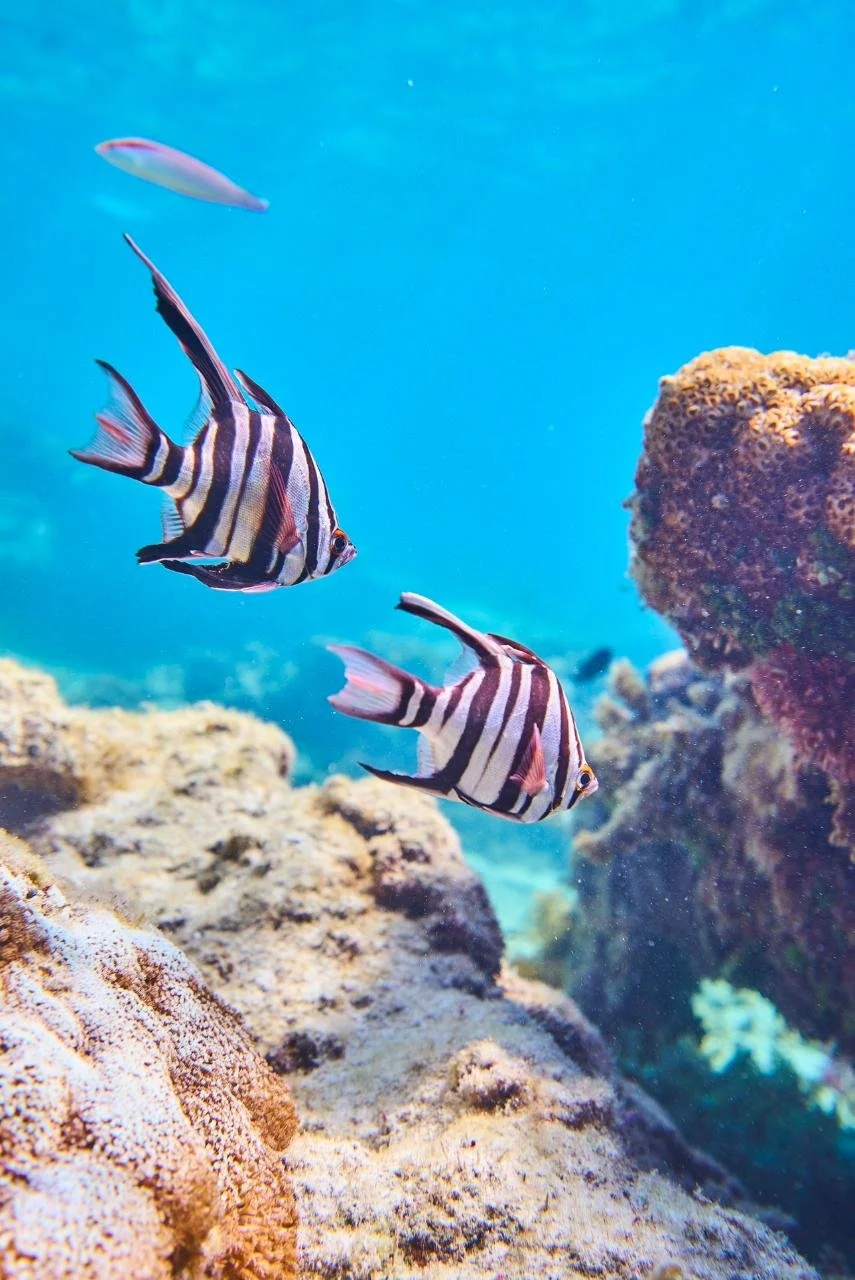
Western blue groper and baldchin groper are two distinctive species found along the Western Australian coast. Old wife, leatherjackets, wrasse and sweep are also regularly seen around the limestone reefs and kelp-covered sections of the Marine Park.
The reef supports fish of many sizes. Smaller species shelter inside narrow crevices. Larger fish move along reef edges and through deeper channels in search of food.
These habitats give snorkellers and divers the chance to observe fish at close range. Conditions and wildlife activity change from day to day, so each visit can reveal a different part of the reef community.
3 . Pelagic Fish
────
Pelagic fish spend much of their time in open water. They are strong swimmers capable of travelling through large areas in search of food.
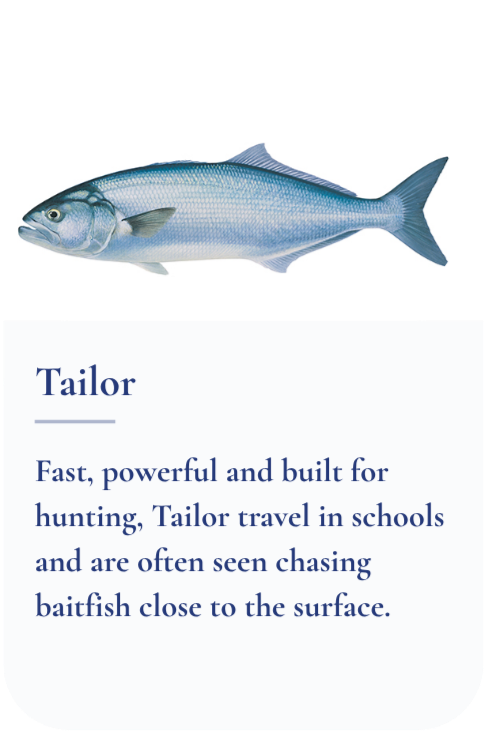
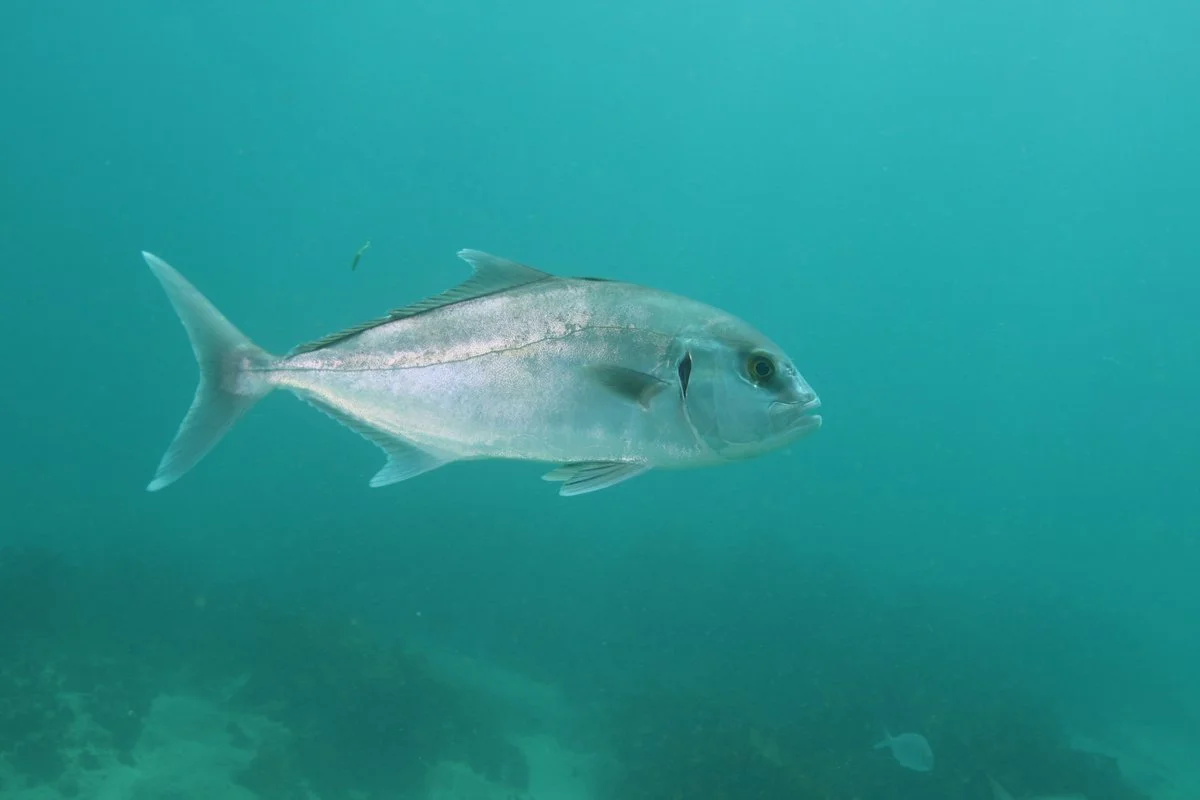
Samson fish, yellowtail kingfish, bonito and tailor can be found around Jurien Bay’s islands and offshore reef systems. Their movements are influenced by currents, water conditions, seasonal changes and the location of baitfish schools.
Offshore reefs and islands affect the movement of water through the Marine Park. These areas can attract baitfish, creating feeding opportunities for larger predatory species.
Pelagic fish may be encountered during boat trips and offshore dives. Sightings vary throughout the year and often depend on the conditions beneath the surface.
4 . Popular Recreational Fishing Species
────
Jurien Bay is a popular destination for recreational fishing, with access to beaches, coastal reefs, seagrass areas and deeper offshore fishing grounds.
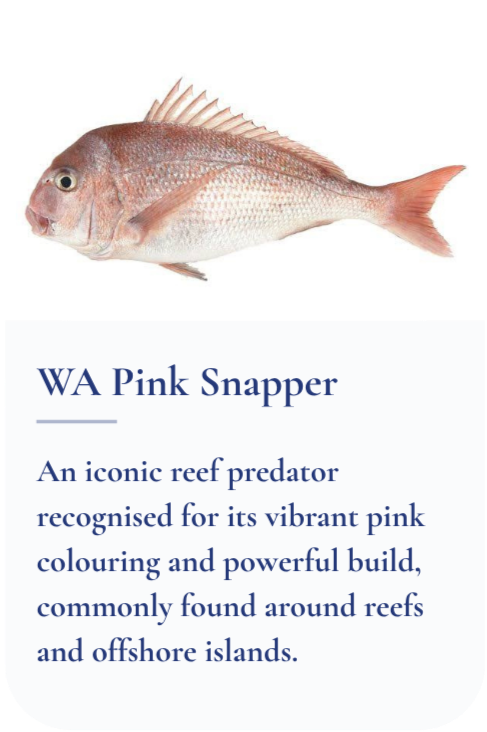
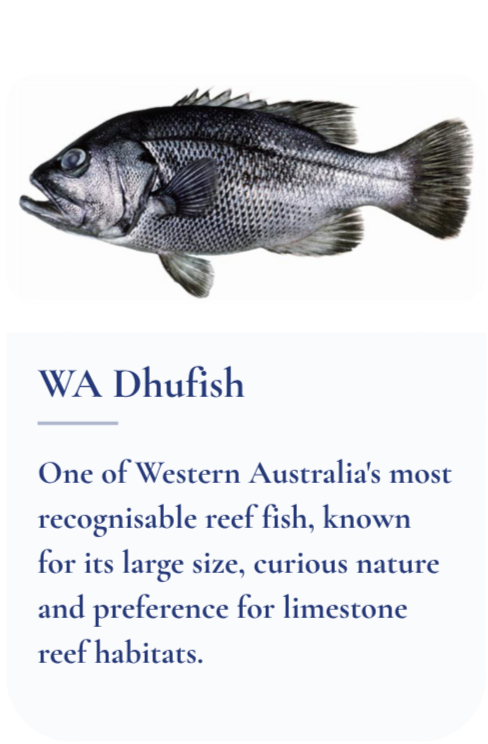
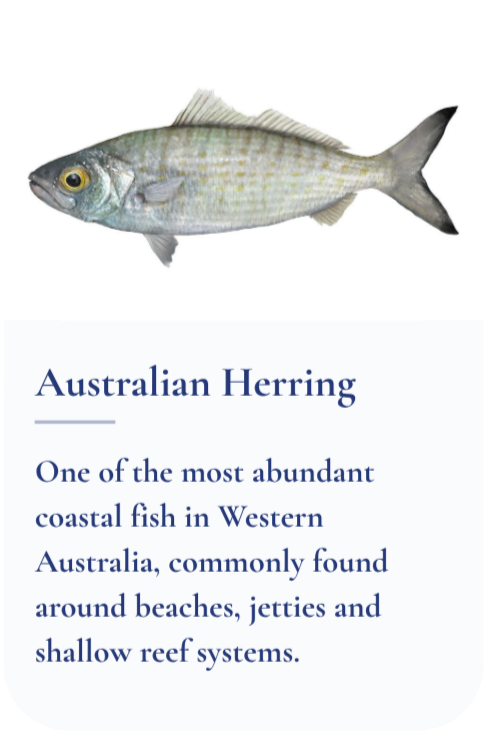
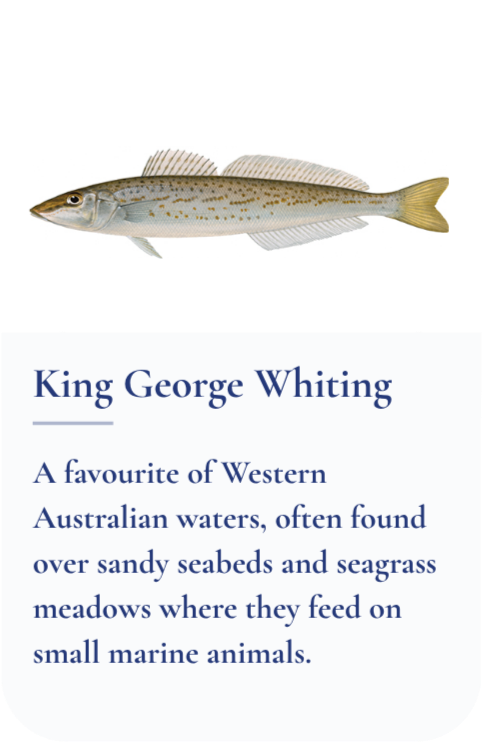
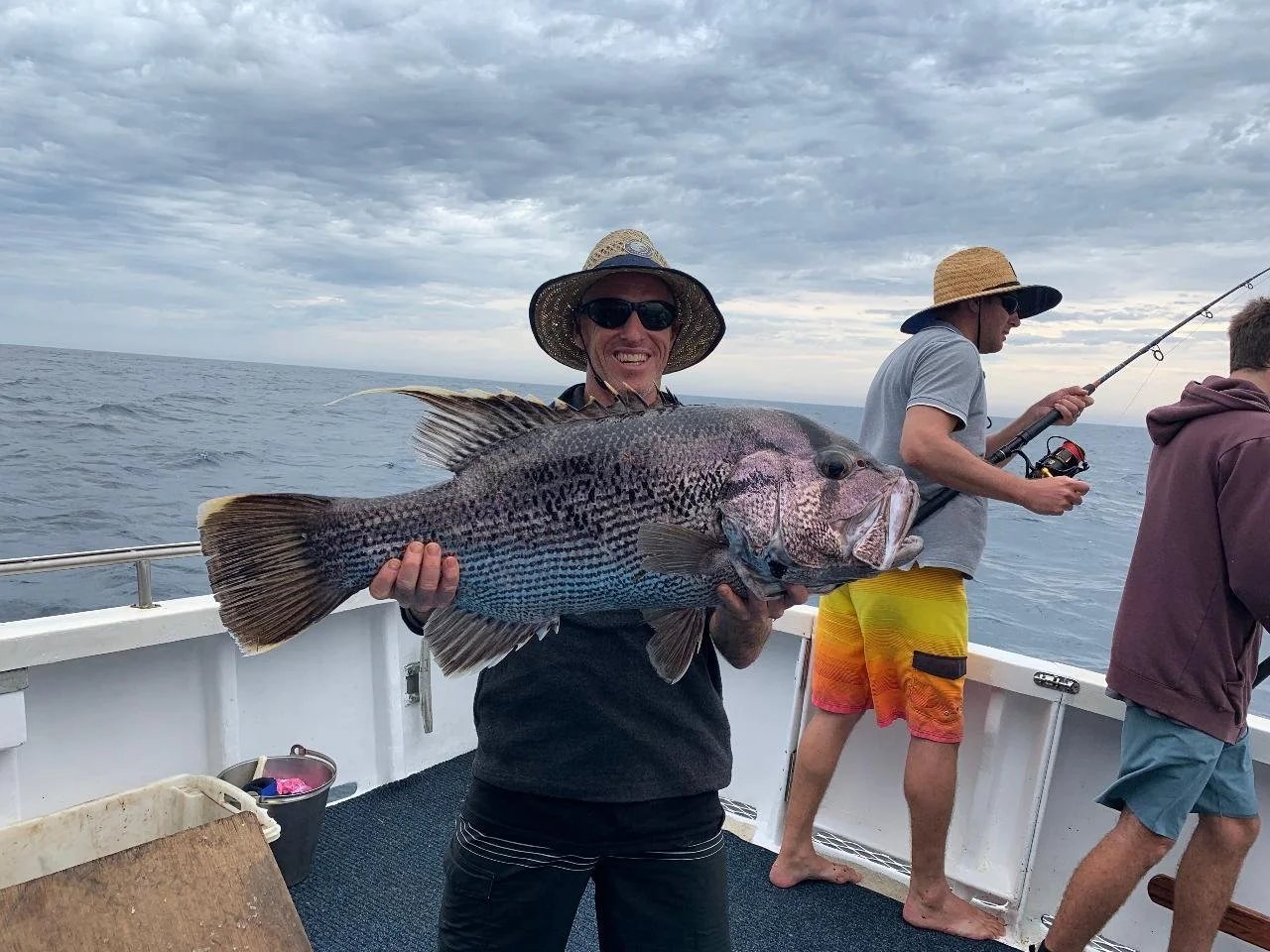
Pink snapper are commonly associated with reefs and underwater structures. West Australian dhufish live around rocky outcrops and deeper reef habitat and are found only in Western Australia. King George whiting favour sandy seabeds and seagrass areas. Tailor and Australian herring are regularly caught along beaches, around reefs and near jetties.
Responsible fishing helps protect local fish populations. Fishers must follow current size, bag, boat and possession limits. Fishing is prohibited in sanctuary zones, and restrictions may apply in other areas of the Marine Park.
People fishing from a powered boat generally require a Recreational Fishing from Boat Licence. Guests fishing aboard a licensed fishing charter vessel do not need to hold their own boat fishing licence.
Rules can change, so check the current WA recreational fishing rules and Jurien Bay Marine Park zone information before heading out.
Looking for Fishing Charters?
Explore the fishing grounds around Jurien Bay with an experienced local crew.
We run a limited number of fishing charters each year. Check our upcoming availability here.
5 . Fish Habitats of the Marine Park
────
Jurien Bay Marine Park contains several connected habitats that support local fish throughout different stages of their lives.
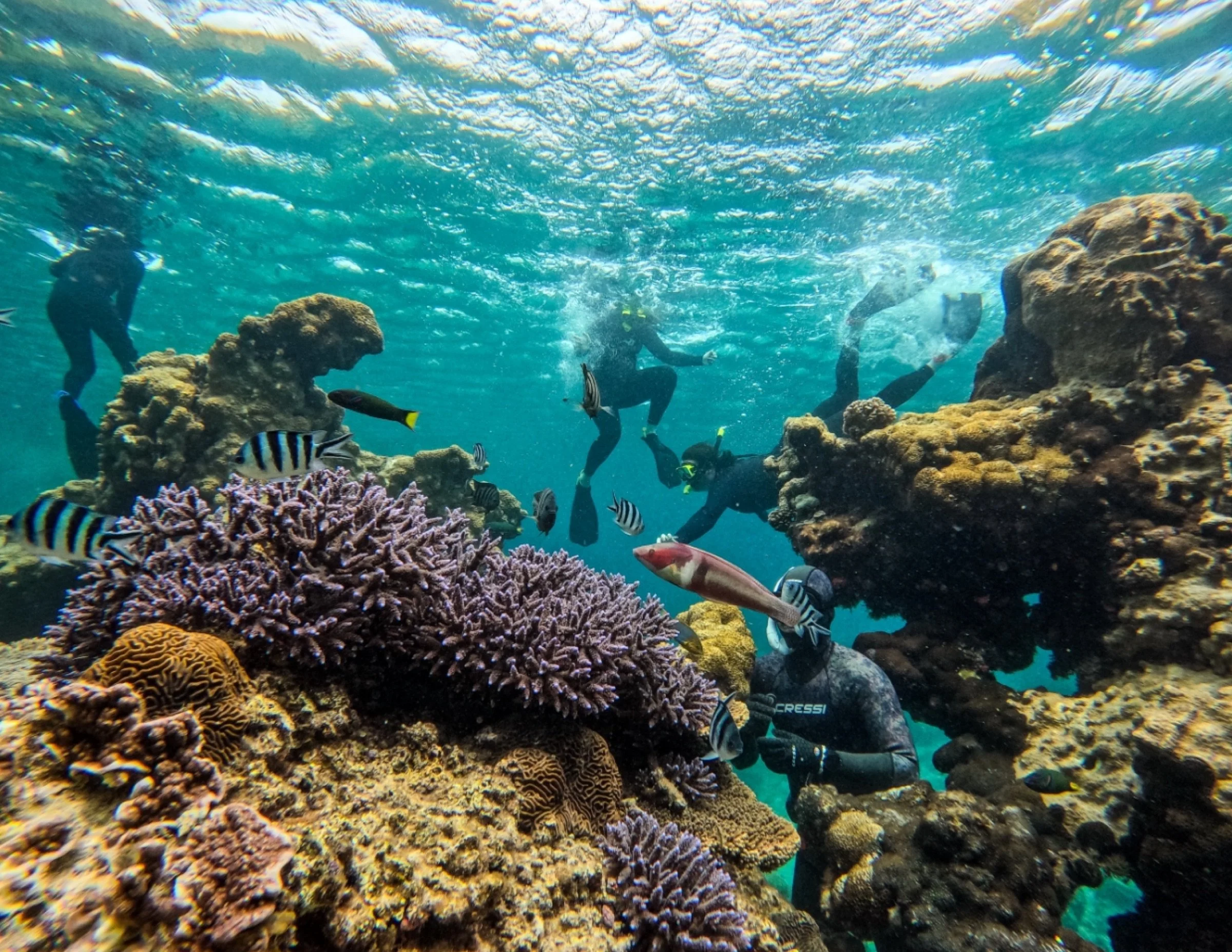
Limestone reefs provide caves, ledges and crevices where fish can shelter and feed. Seagrass meadows offer important habitat for juvenile fish and many smaller marine animals. Sandy seabeds support species that feed, rest or camouflage themselves close to the ocean floor.
The offshore islands create sheltered lagoons and influence the movement of water through the Marine Park. Reef edges and open-water areas also provide feeding grounds for schooling fish and larger predators.
Fish may use several habitats as they grow. Protecting the reef, seagrass, sandy seabeds and surrounding waters helps maintain the connections that local marine life depends on.
6 . Why Fish Matter
────
Fish connect many parts of the food web within Jurien Bay Marine Park.
Small schooling fish provide food for dolphins, Australian sea lions, seabirds and larger predatory fish. Reef fish feed on algae, small animals and other material found around limestone habitat. Larger species help shape the movement and behaviour of fish populations throughout the marine environment.
Seagrass meadows and sheltered reefs provide young fish with places to feed, grow and find protection. These nursery areas support future fish populations and the marine animals that rely on them for food.
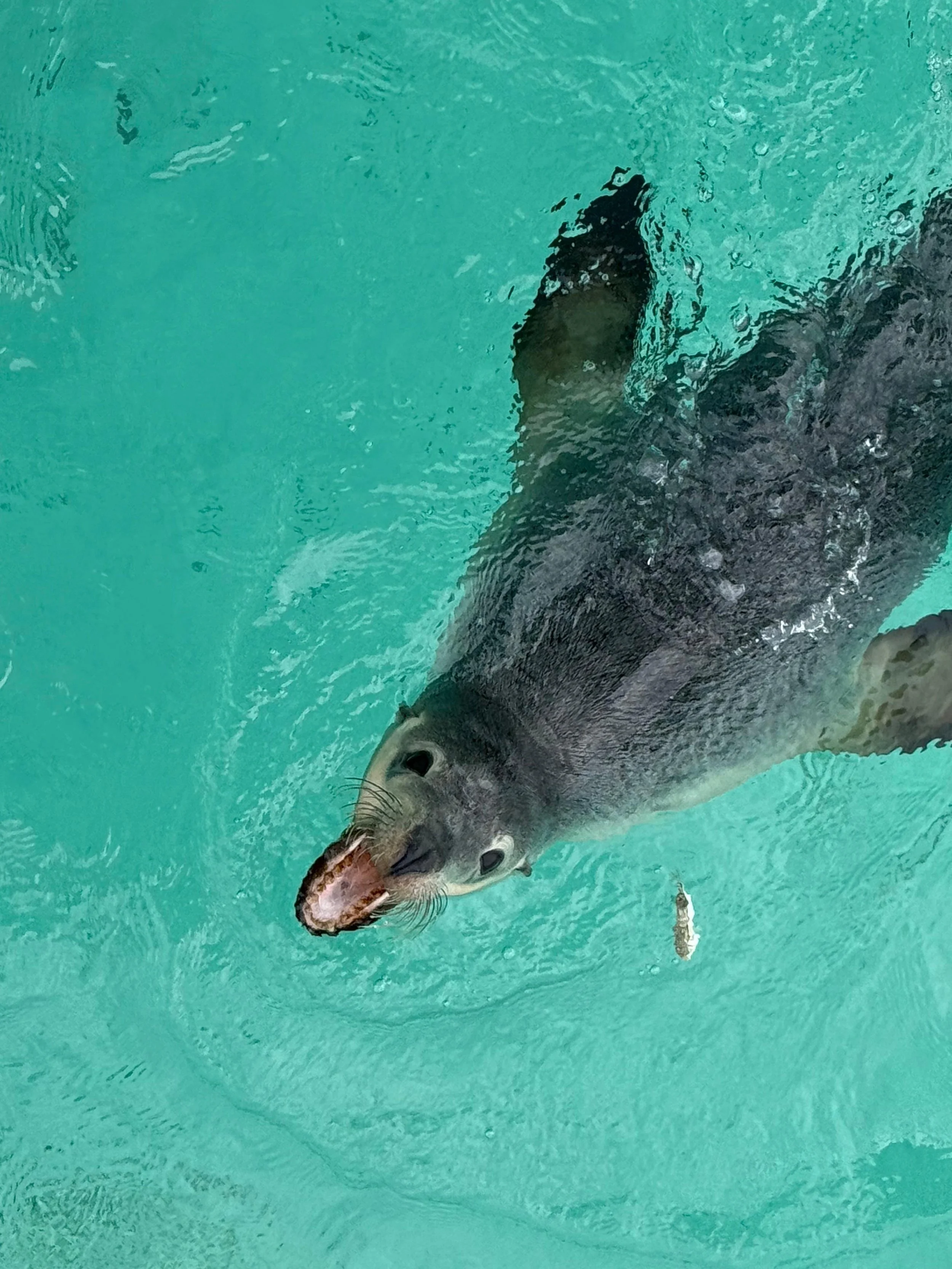
Fish also form an important part of many wildlife encounters around Jurien Bay. Australian sea lions search for prey around the islands. Dolphins hunt through coastal waters. Seabirds gather above schools of fish and dive beneath the surface to feed.
Protecting fish habitat, respecting sanctuary zones and following recreational fishing rules all contribute to the long-term care of the Jurien Bay Marine Park.
-
Fish found around Jurien Bay include western blue groper, baldchin groper, old wife, leatherjackets, wrasse, Australian herring, tailor, Samson fish, yellowtail kingfish, pink snapper, West Australian dhufish and King George whiting. The species you see will depend on the habitat, location, season and ocean conditions.
-
Limestone reefs, sheltered lagoons and seagrass meadows provide good opportunities to observe fish in shallow water. Offshore reefs and islands support different reef and pelagic species. Snorkelling, diving and boating allow visitors to explore several parts of the Marine Park.
-
Yes. The shallow reefs and sheltered lagoons around Jurien Bay provide opportunities to see reef fish and schooling species in their natural habitat. Visibility and wildlife activity depend on the weather and ocean conditions. Always choose a location suited to your experience and check the conditions before entering the water.
-
Jurien Bay Marine Park contains limestone reefs, seagrass meadows, sandy seabeds, offshore islands, sheltered lagoons and open water. The Leeuwin Current also brings warm water and tropical marine life south along the Western Australian coast. These conditions support a mix of temperate and tropical fish species.
Frequently Asked Questions
DISCOVER THE UNDERWATER WORLD OF JURIEN BAY
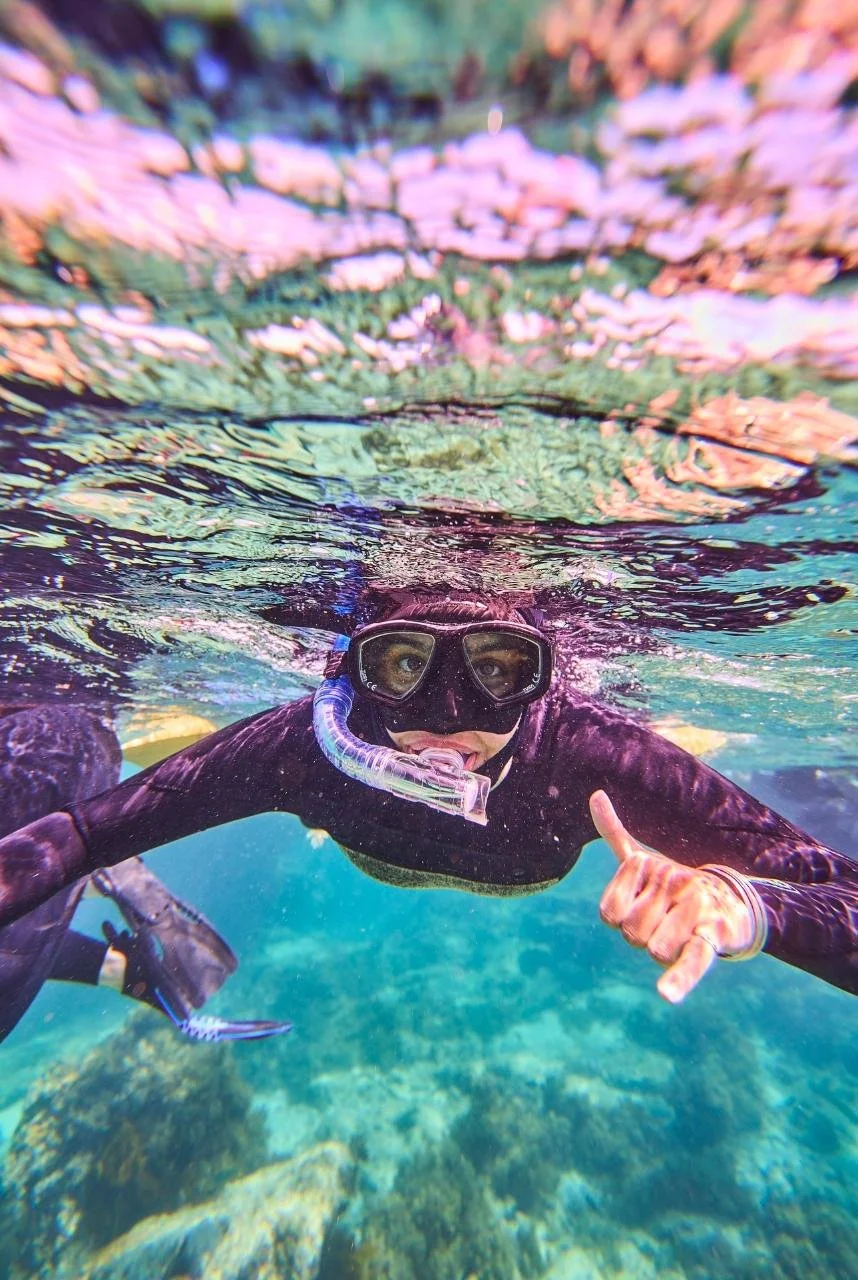
Jurien Bay Marine Park comes alive beneath the surface. Reef fish move through limestone ledges, schools gather around the islands and larger species travel through deeper water.
Our family has spent more than six decades working on and exploring this coastline. Our tours share the wildlife, habitats and local knowledge that make Jurien Bay such a special place.
Join us on the water and experience the Marine Park with a local crew.
Continue Exploring Our Marine Wildlife Guides
@jurienbayoceanic