Home > Marine Hub > Marine Wildlife > Sharks and Rays of Jurien Bay
Sharks and Rays
of Jurien Bay
────────────
Sharks and rays live throughout the Jurien Bay Marine Park. Wobbegongs rest around limestone reefs, Port Jackson sharks shelter near the seafloor, eagle rays cross sandy areas and larger mobile sharks may travel through offshore waters.
This guide introduces the species found around Jurien Bay, the habitats they use, their place in the local food web and the safety procedures used during our marine experiences.
Last updated 11 August 2026.
Based on over six decades of experience exploring the wildlife of the Jurien Bay Marine Park.
Local knowledge. Real experience. Trusted information.
Who’s Beneath the Surface?
──────
1 . Are There Sharks in Jurien Bay?
────
Yes. Sharks occur throughout Western Australia’s coastal waters, including the Jurien Bay Marine Park.
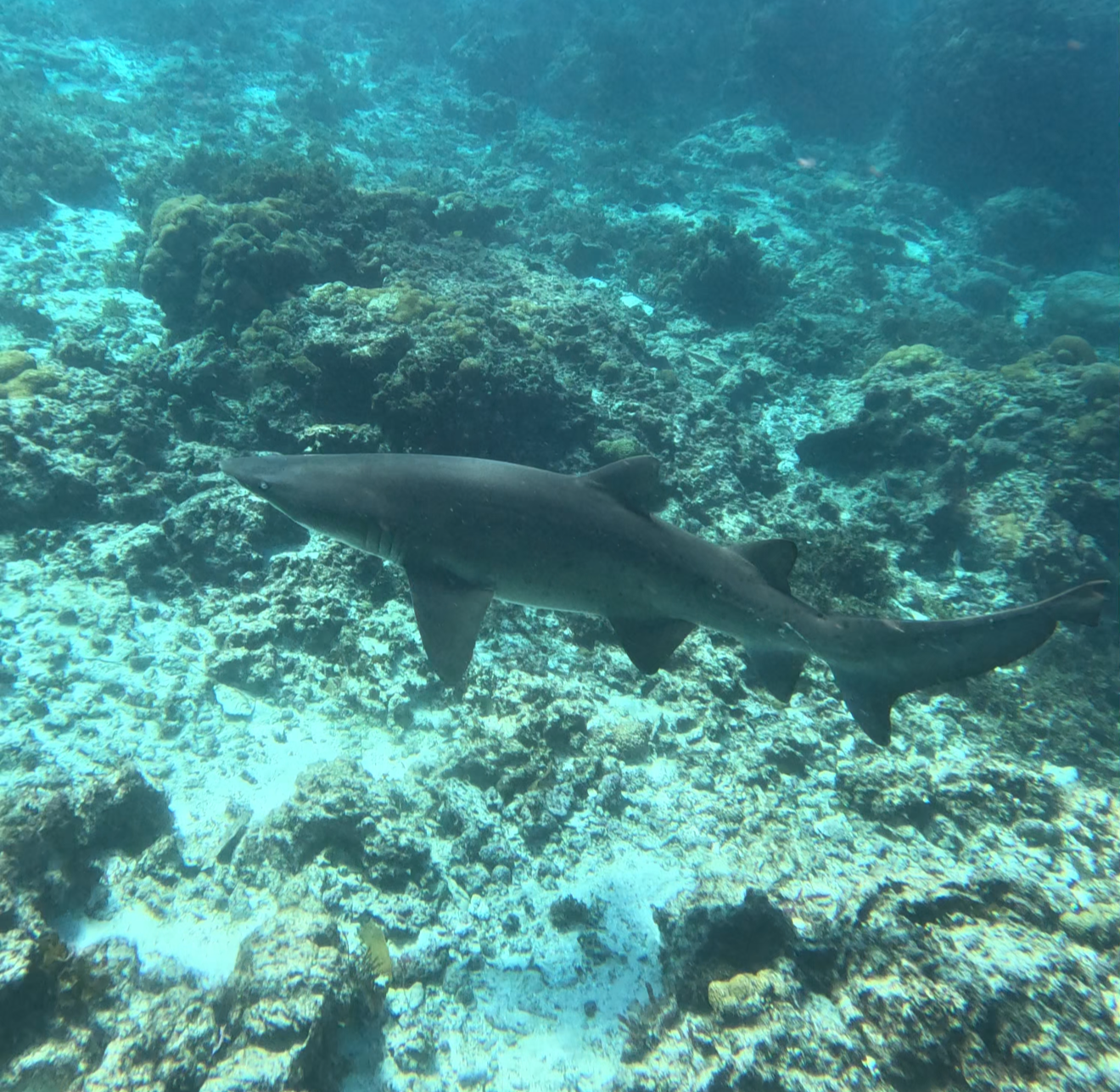
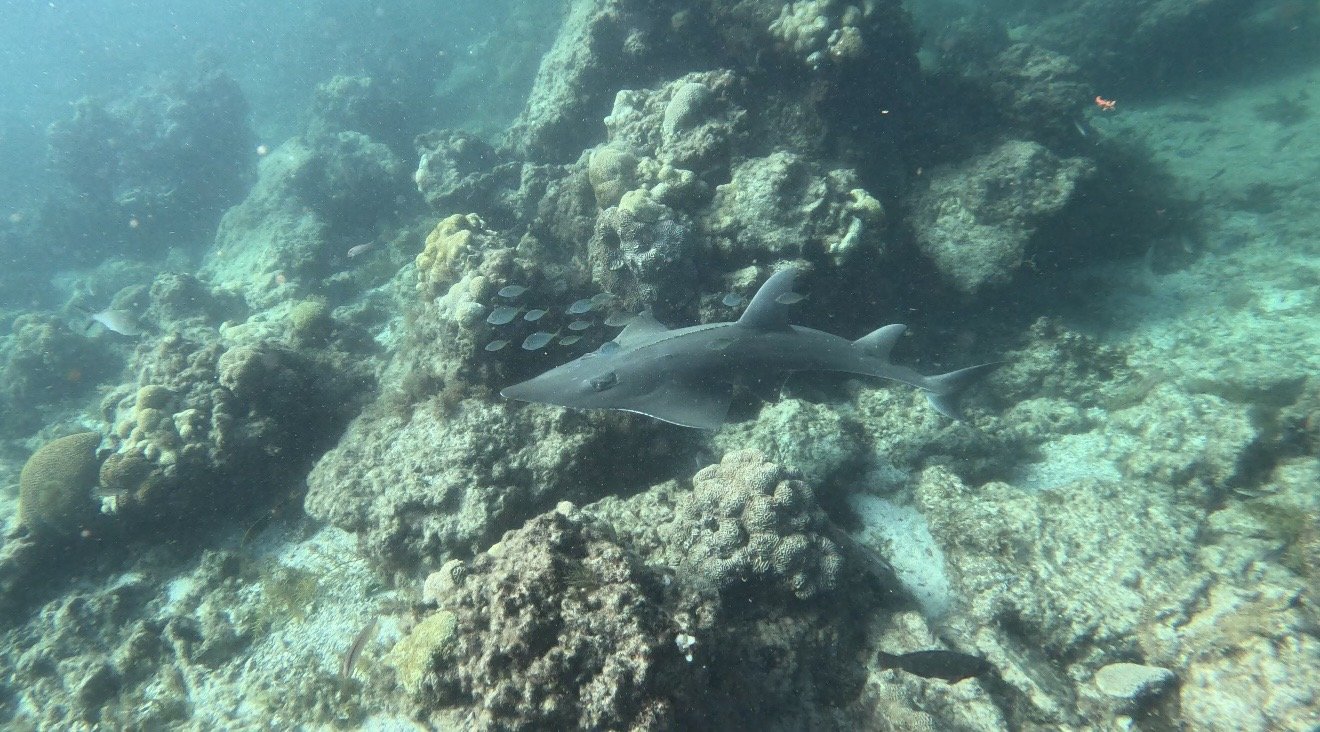
The species we encounter most often are wobbegongs and Port Jackson sharks. These bottom-dwelling sharks use limestone reefs, rocky ledges and areas close to the seafloor. Bronze whalers and other mobile sharks can also travel through coastal and offshore waters.
We do not see sharks often during our tours. A sighting is usually brief, and the animal continues moving through the area. Our crew assesses each sighting according to the location, conditions and observed behaviour of the animal.
Swimming, snorkelling and diving are popular activities around Jurien Bay. The ocean is a natural environment, and all water activities carry some level of risk.
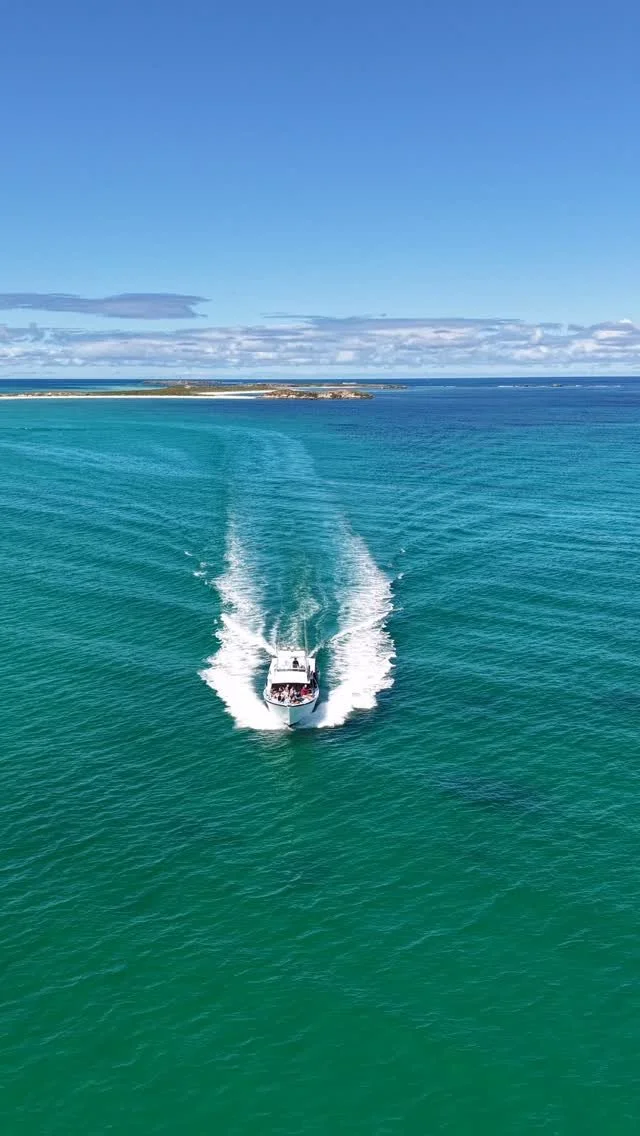
Before each in-water activity, our skipper and crew assess the weather, swell, current, water clarity, site conditions and observed wildlife activity. Our vessels provide elevated viewing positions that help the crew monitor the surrounding water.
The skipper selects the site and entry point for each activity. An activity can be delayed, relocated, modified or cancelled if the conditions raise any concerns.
Guests receive a safety briefing and remain under crew direction in the water. These procedures help our team make informed decisions based on the conditions present at the time.
People entering the water independently should check the weather, local warnings, beach closures and current SharkSmart activity before swimming. If you see a shark, leave the water calmly, alert other people nearby and report the sighting to Water Police on 9442 8600.
2 . Is it Safe to Swim in Jurien Bay?
────
3 . What Sharks & Rays Live in Jurien Bay?
────
The reefs, sandy seabeds, seagrass areas and offshore waters around Jurien Bay provide habitat for several shark and ray species.
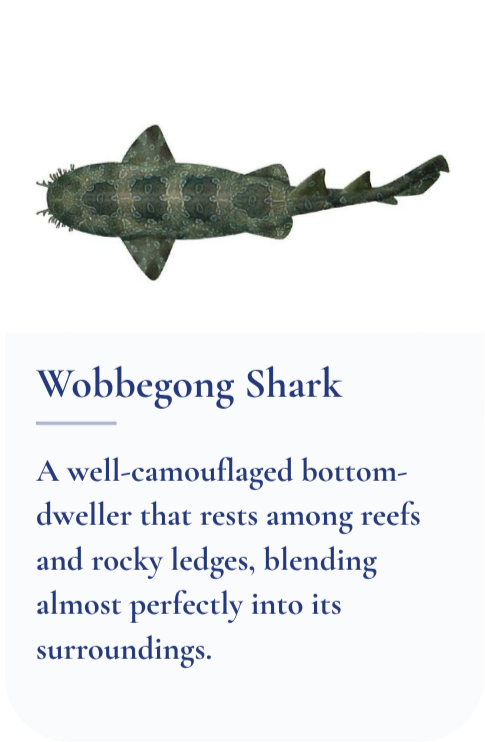
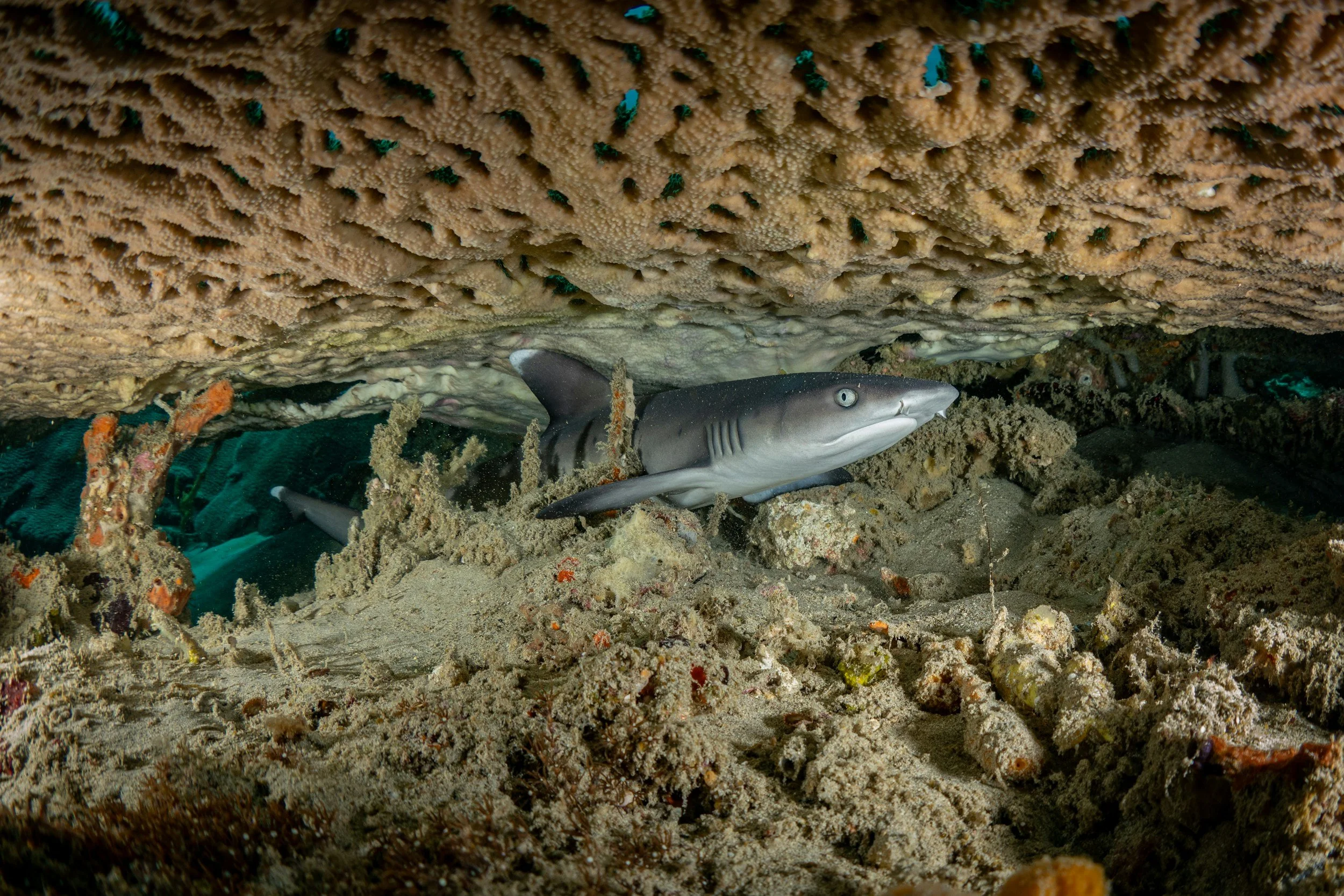
Wobbegongs use their patterned skin to blend into reef habitat. They often rest on the seafloor or beneath limestone ledges during the day.
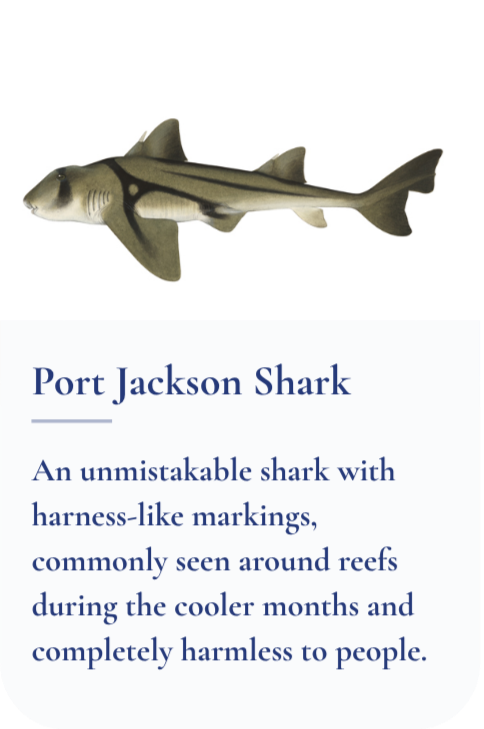
Port Jackson sharks are recognised by their blunt heads and dark harness-shaped markings. They feed close to the seabed, using strong teeth to crush sea urchins, shellfish and crustaceans.
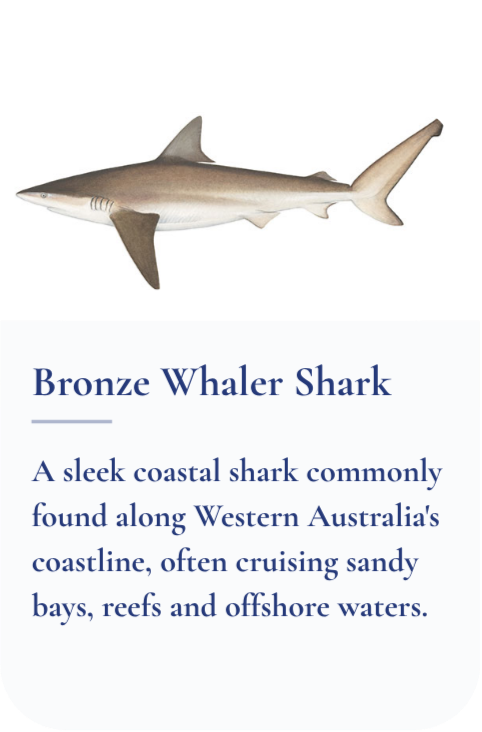
Bronze whalers are mobile coastal sharks that may travel through bays, reef areas and deeper offshore water. Their movements are influenced by prey, water conditions and seasonal changes.
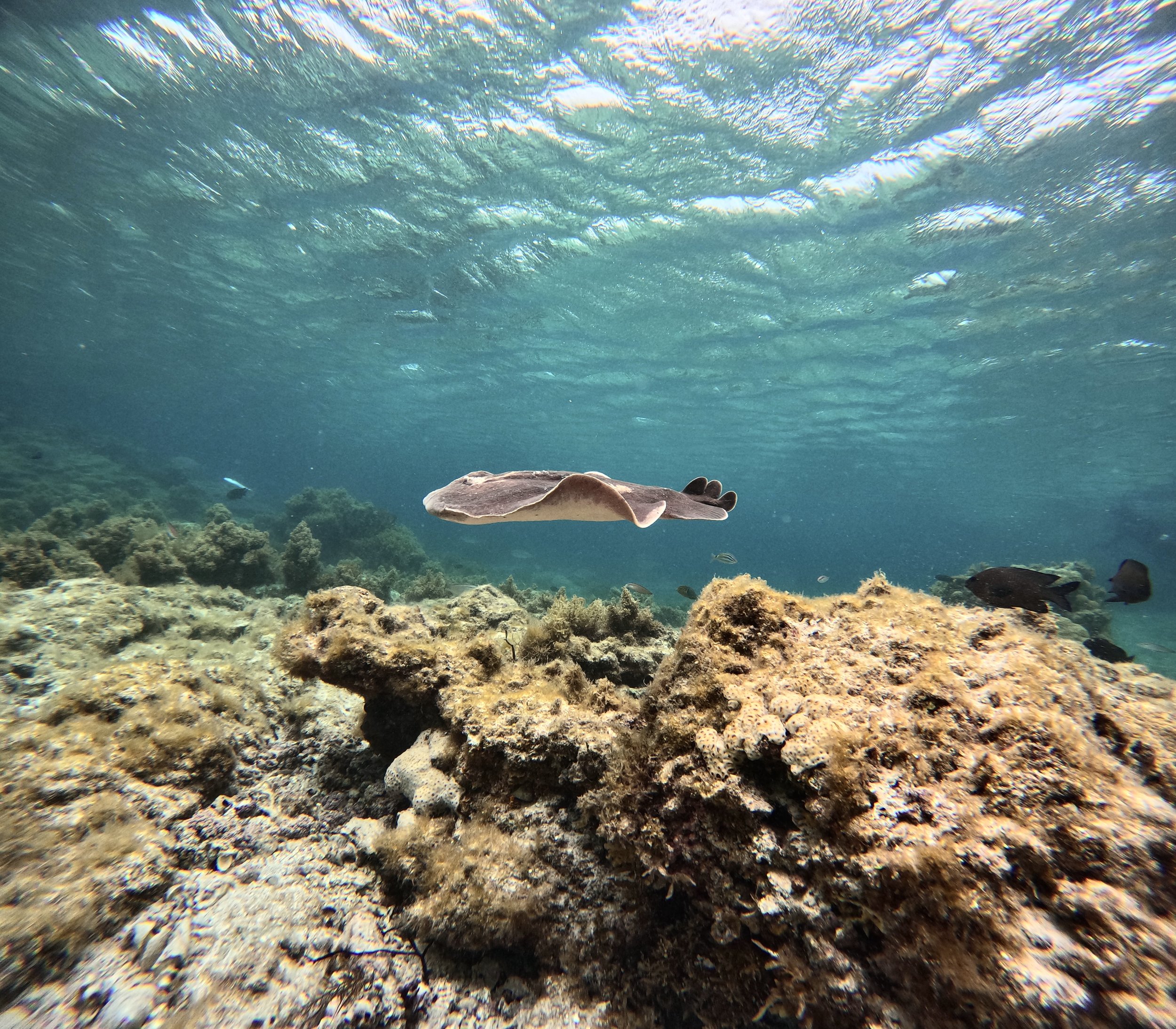
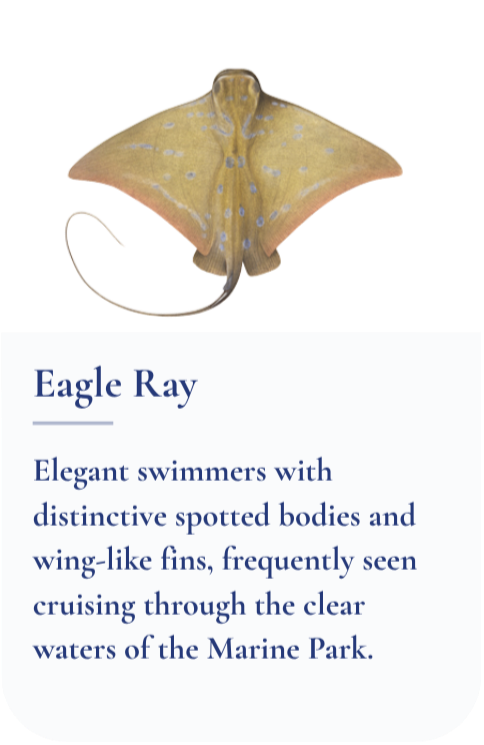
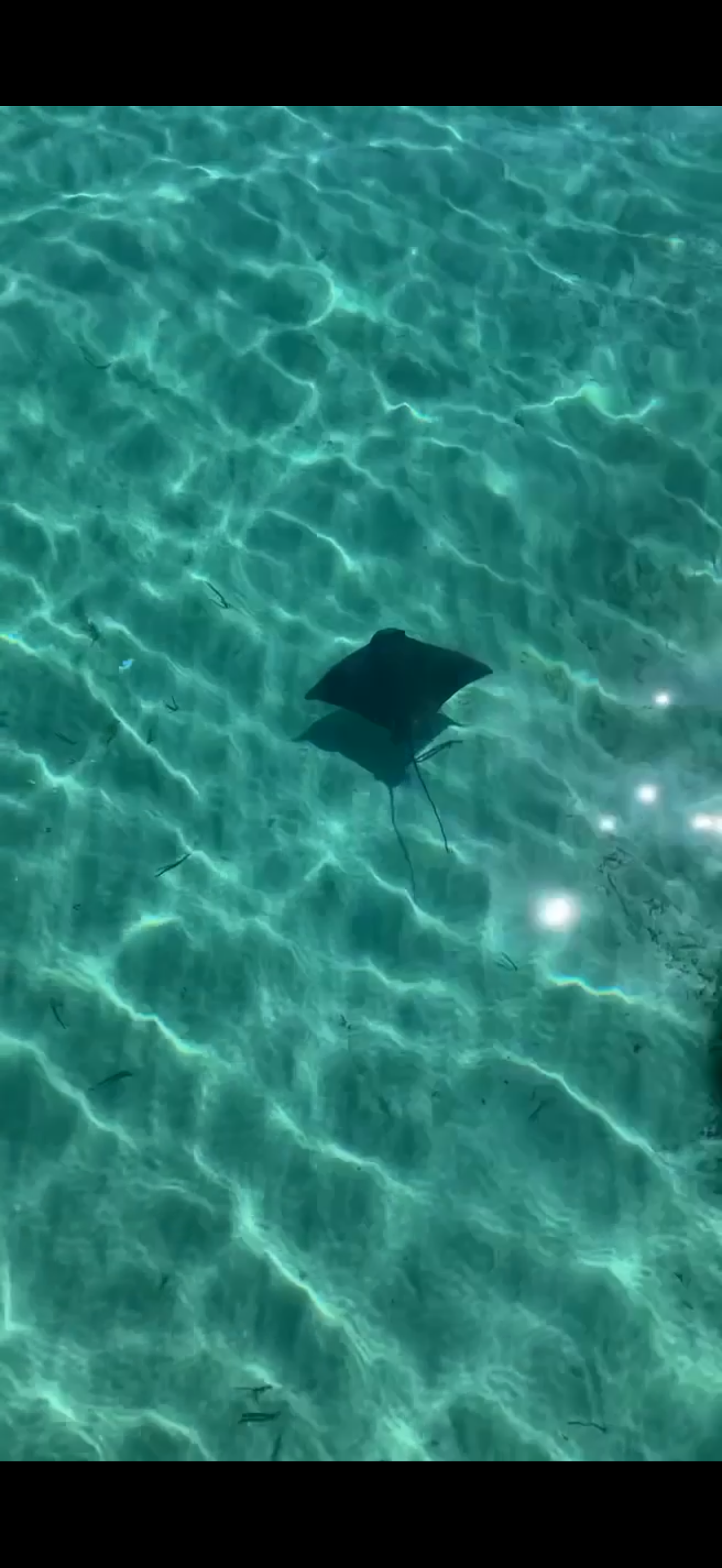
Eagle rays can be seen moving over sand and through coastal water. Their broad fins create a distinctive flying motion beneath the surface.
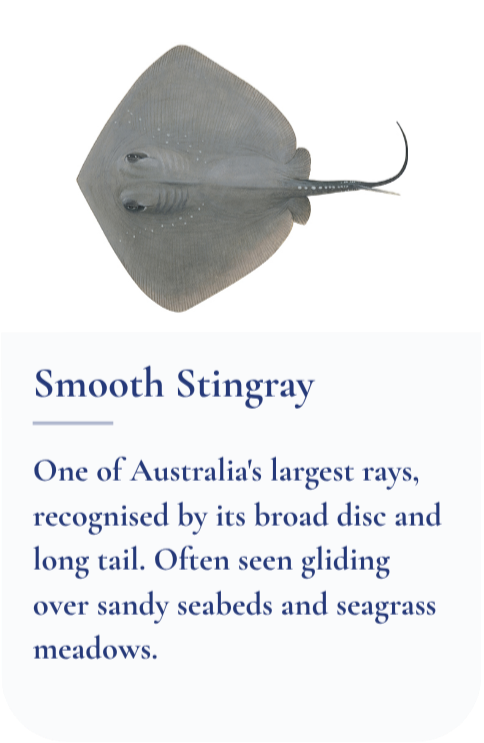
Smooth stingrays are large rays found around sandy seabeds and seagrass habitat. They often rest partly covered by sand and should be given plenty of room.
Wildlife moves freely through the Marine Park, so sightings change throughout the year and cannot be predicted.
4 . Why Sharks & Rays Matter
────
Sharks and rays are cartilaginous fishes, meaning their skeletons are made from cartilage instead of bone. Each species has its own diet, habitat and place within the food web.
Wobbegongs ambush fish and octopus around reef habitat. Port Jackson sharks feed on sea urchins, molluscs and crustaceans. Bronze whalers hunt fish and other marine prey. Eagle rays and smooth stingrays search sandy areas for molluscs, crustaceans and small animals.
These feeding relationships connect reef, sandy seabed and open-water habitats throughout the Marine Park.
Many shark and ray species grow slowly, mature late and produce relatively few young. These traits can make their populations slow to recover from fishing pressure and other impacts.
Giving sharks and rays space, following fishing regulations and protecting marine habitat all contribute to their long-term conservation.
-
Yes. Sharks are naturally present in the Jurien Bay Marine Park. Wobbegongs and Port Jackson sharks are the species we encounter most often. Bronze whalers and other mobile sharks may also travel through coastal and offshore waters.
-
Yes, people regularly swim, snorkel and dive in Jurien Bay. All ocean activities carry risk because conditions and wildlife can change.
Check the weather, local warnings, beach closures and SharkSmart activity before entering the water. Follow the directions of lifeguards, authorities and experienced tour crews.
-
Jurien Bay Oceanic Experience operates sea lion swims under established operating conditions and safety procedures.
Our skipper and crew assess the weather, swell, current, water clarity, site conditions and wildlife activity before guests enter the water. Crew monitor the surrounding area during the swim. The activity can be moved, changed or cancelled if concerns arise.
-
Wobbegongs and Port Jackson sharks are the sharks we encounter most often around reef habitat. Bronze whalers may travel through coastal and offshore waters.
Eagle rays and smooth stingrays can also be seen around sandy seabeds, seagrass and shallow coastal areas.
-
Rays usually move away when given space. Stingrays have defensive spines on their tails and may use them if they feel threatened or are accidentally stepped on.
Do not touch, chase or stand over a ray. Give the animal a clear path to move away. Shuffle your feet when walking through shallow sandy water where stingrays may be resting.
-
Sharks and rays occupy several places within the Marine Park food web. Their diets include fish, octopus, sea urchins, molluscs and crustaceans, depending on the species.
Their feeding connects reef, sandy seabed and open-water habitats. Protecting sharks and rays also helps preserve the natural diversity of the Jurien Bay Marine Park.
-
We understand why people ask this question. The 2024 shark incident occurred in the Jurien Bay region, however it did not occur during a Jurien Bay Oceanic Experience tour.
At Jurien Bay Oceanic Experience, guest safety has always been our highest priority. Long before that incident, we had developed comprehensive operating procedures based on decades of local experience working within the Jurien Bay Marine Park.
Before every in-water activity, our experienced skippers and crew assess weather, sea conditions, water clarity and any observed wildlife activity. We carefully select vessel mooring locations and entry points, and our large, purpose-built vessels provide excellent visibility, allowing our crew to continuously monitor the surrounding environment while guests are in the water.
If conditions are not suitable, or our crew has any concerns about safety, activities are modified, relocated or postponed. While no operator can ever remove every risk associated with entering a natural marine environment, our procedures are designed to minimise risk while providing a safe, responsible and memorable wildlife experience.
The ocean is a wild environment, and we believe the best approach is one built on preparation, local knowledge, sound decision-making and respect for the marine ecosystem.
Frequently Asked Questions
EXPLORE THE JURIEN BAY MARINE PARK WITH CONFIDENCE
A day in the Jurien Bay Marine Park is shaped by the wildlife present and the conditions on the water. Rays may cross a sandy lagoon, dolphins can appear near the boat and sea lions often set the pace around the islands.
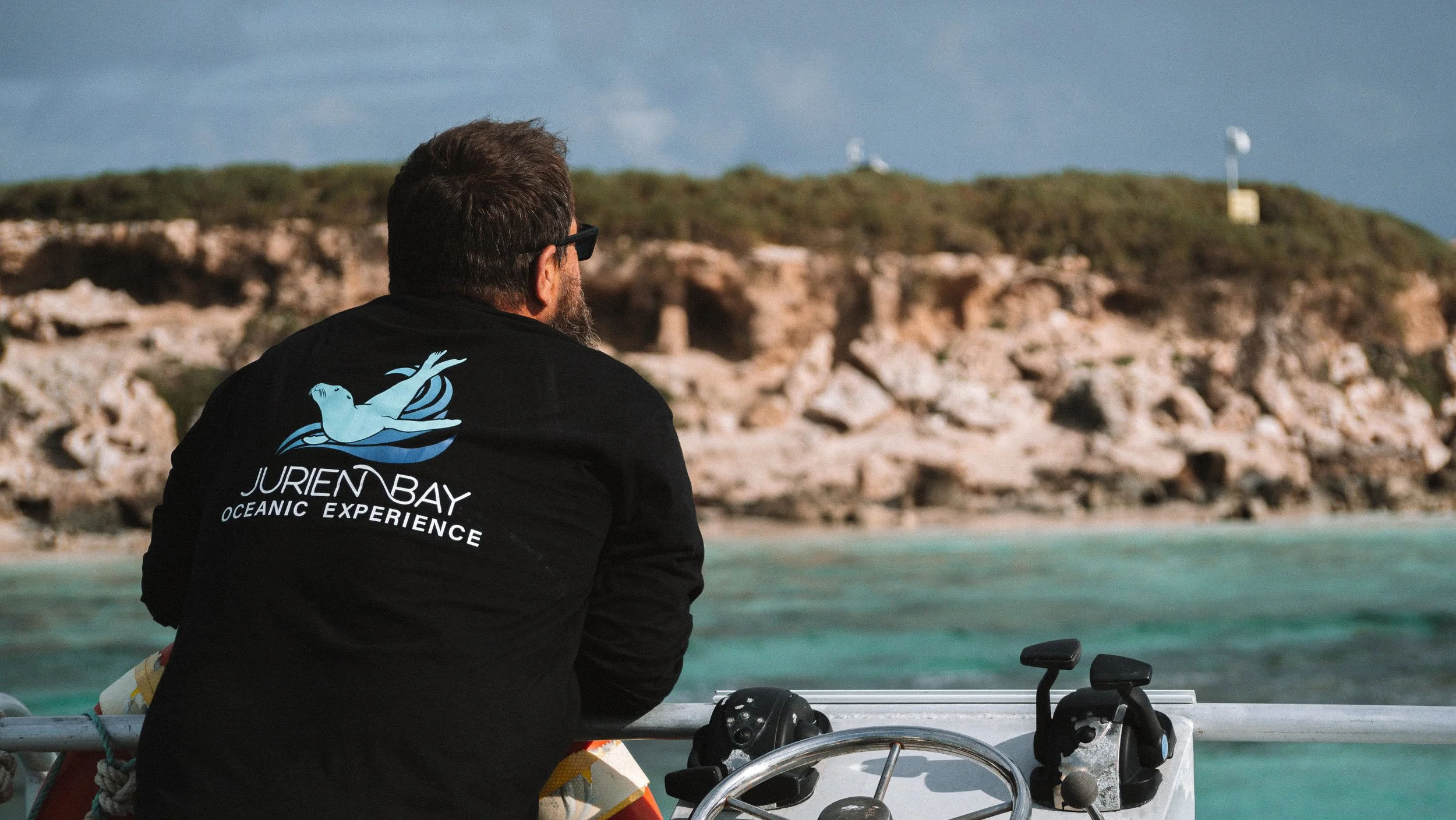
Our crew has spent decades learning these waters. We use that experience to select suitable sites, read changing conditions and help guests understand the wildlife they see.
Join us on the water and experience the Jurien Bay Marine Park with our local crew.
Continue Exploring Our Marine Wildlife Guides
@jurienbayoceanic