Home > Marine Hub > Jurien Bay Marine Park > Habitats and Ecosystems
Habitats and Ecosystems
of the Jurien Bay Marine Park
Discover the limestone reefs, seagrass meadows, sandy seabeds, sheltered lagoons and island habitats that support life throughout the Jurien Bay Marine Park.
Last updated 11 August 2026.
Based on over six decades of experience working across the waters of Jurien Bay.
Local knowledge. Marine expertise. Trusted information.
WHAT HABITATS ARE FOUND IN THE JURIEN BAY MARINE PARK?
The Jurien Bay Marine Park contains a connected network of limestone reefs, seagrass meadows, sandy seabeds, sheltered lagoons and offshore island habitats. These environments extend from the coastline to the outer reef system and support marine life at every stage of development.
Water, nutrients and marine animals move between these habitats, connecting shallow nursery areas with deeper reefs and open ocean. Fish, Western rock lobsters, Australian sea lions, seabirds and many other species rely on several parts of the marine park throughout their lives.
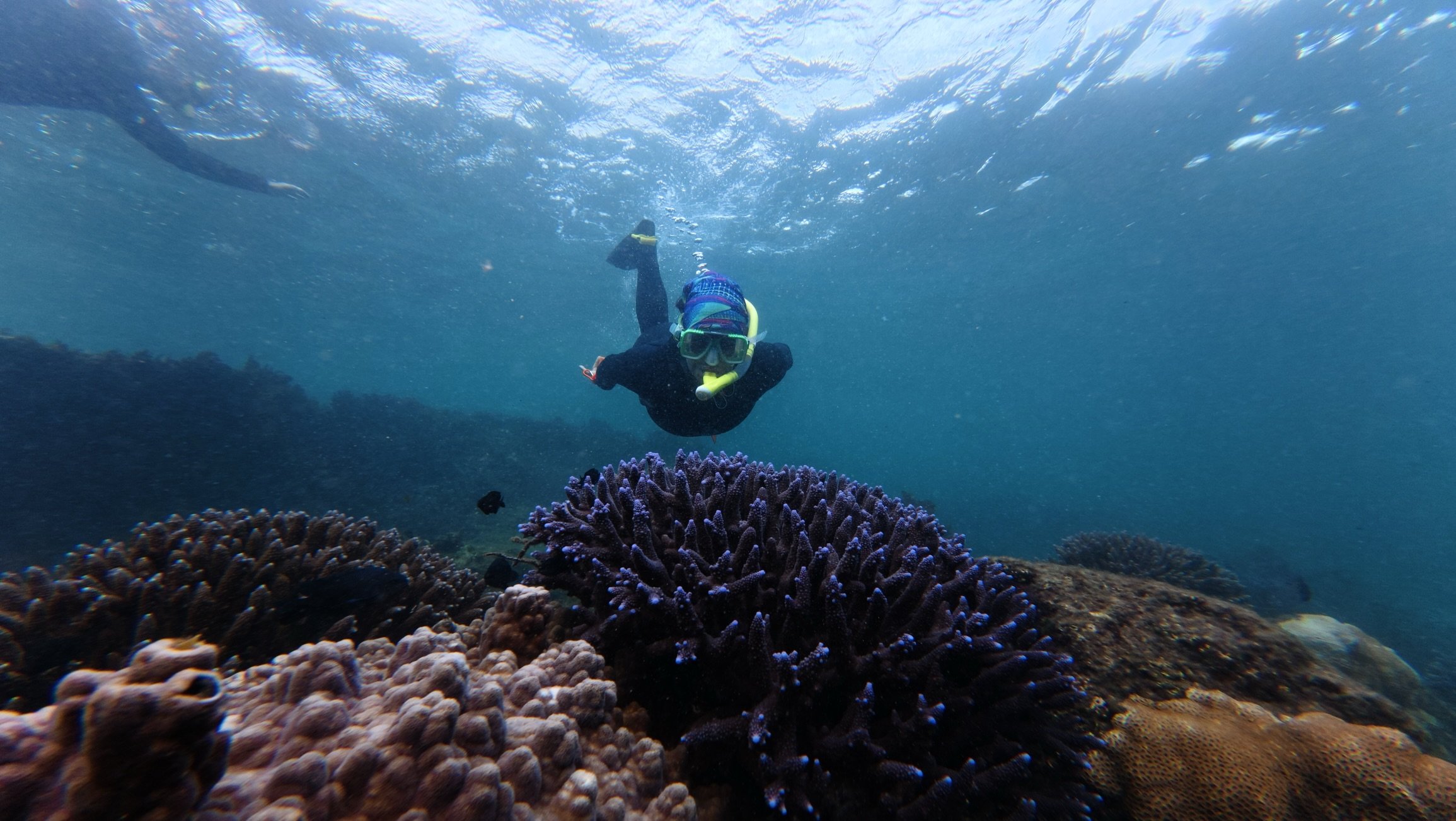
The south-flowing Leeuwin Current carries warmer water into this temperate marine environment. Warm-water corals and fish can be found alongside cool-water macroalgae, seagrasses and temperate reef species, contributing to the park’s unusual biodiversity.
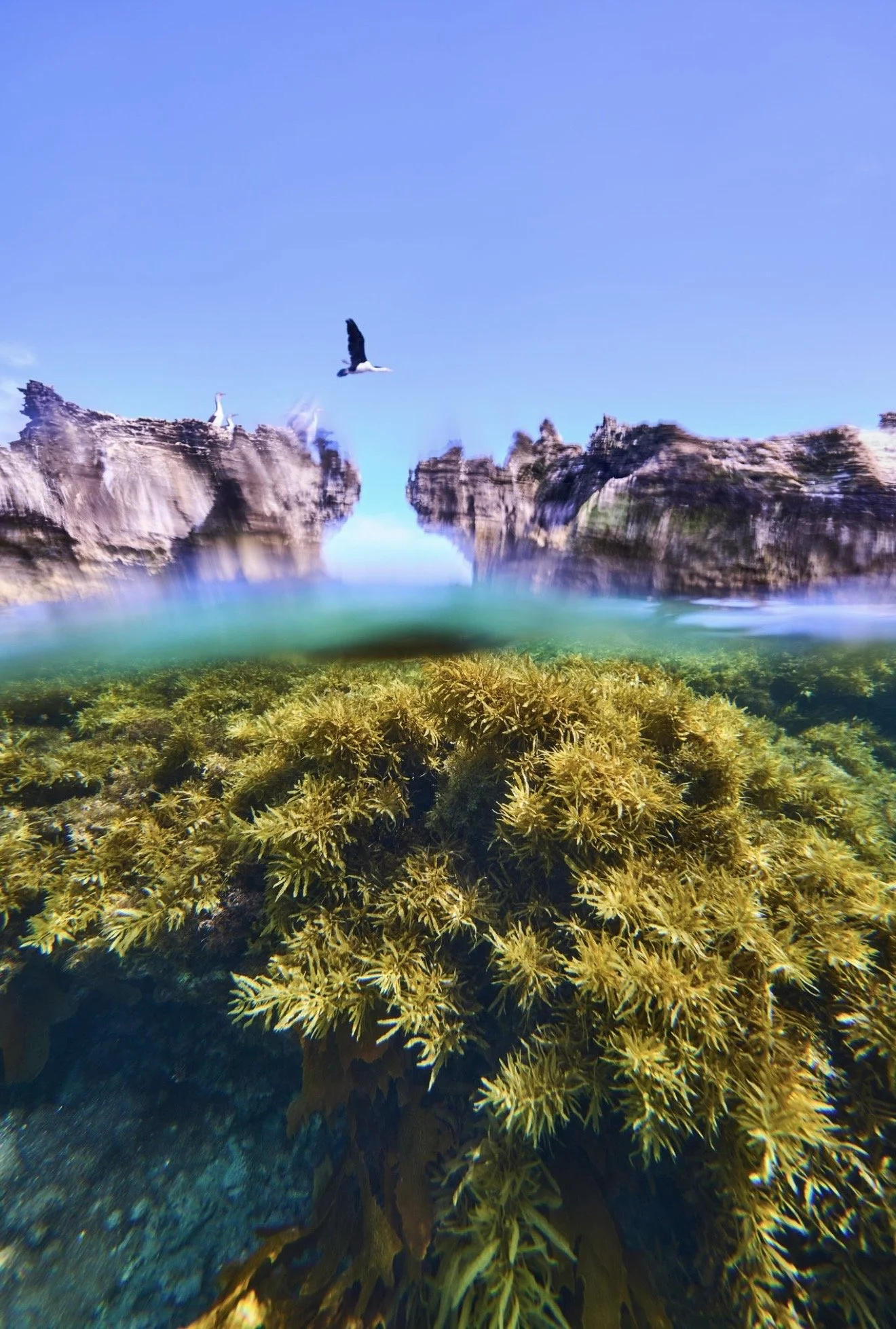
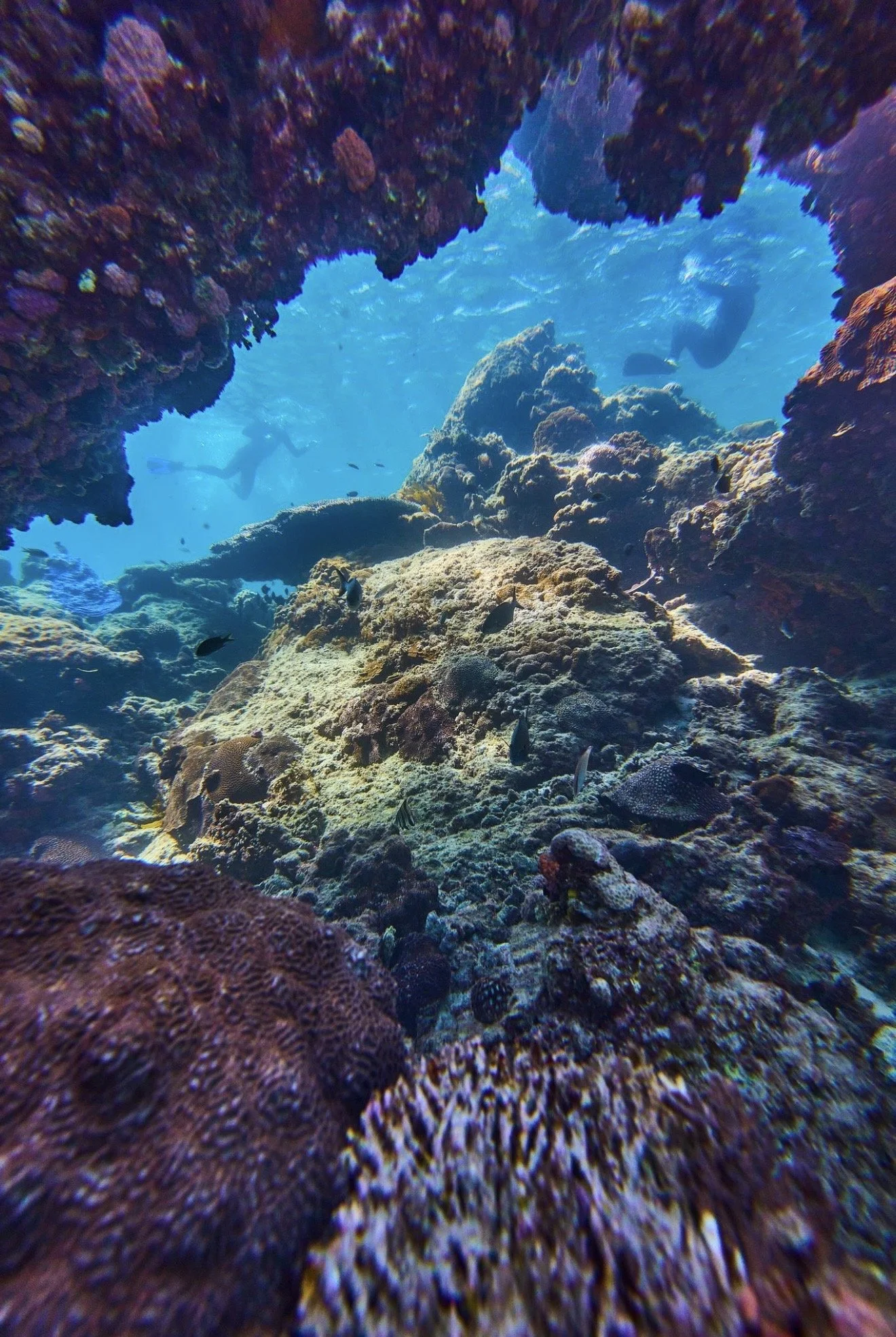
A long system of limestone reefs runs parallel to the coastline throughout the Jurien Bay Marine Park. The reef system includes intertidal platforms, submerged reefs, rocky outcrops and offshore islands.
Underwater caves, grottos, ledges and overhangs create shelter for fish and invertebrates. Sponges, sea squirts, sea fans, anemones and macroalgae grow across the rocky surfaces, forming complex communities beneath the water.
Schools of wrasse, western pomfrets, buffalo bream and many smaller reef fish move through these structures. Western rock lobsters shelter within cracks and caves during the day before emerging to forage.
The outer reefs absorb ocean swell and help form the sheltered lagoons closer to shore. These calmer waters allow seagrass meadows and nursery habitats to develop behind the reef system.
Limestone Reefs & Underwater Structure
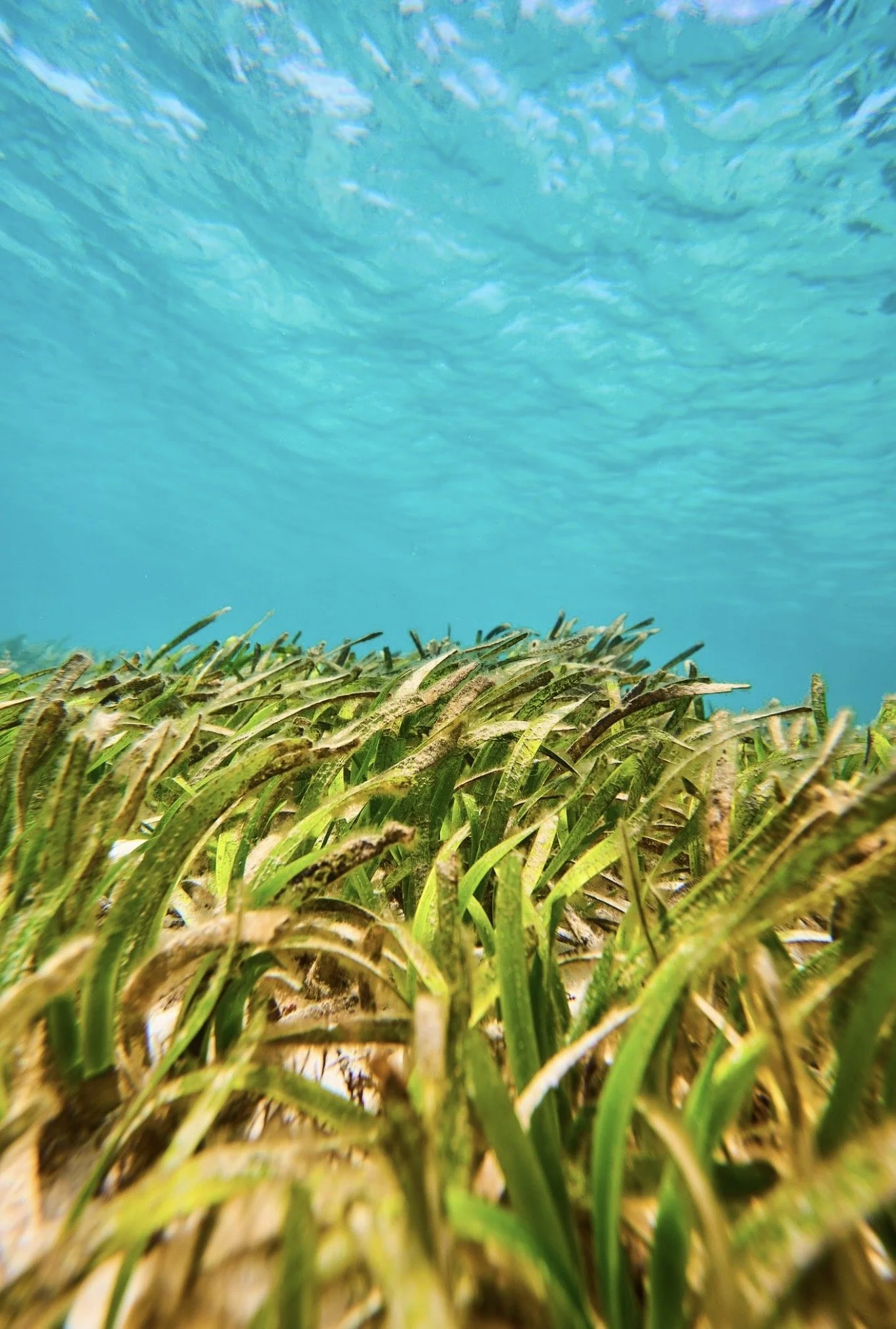
Extensive seagrass meadows grow within the shallow lagoons between the coastline and outer reefs. Their leaves slow water movement, trap sediment and create shelter for small marine animals.
Seagrass meadows are important nursery areas for juvenile fish and Western rock lobsters. Molluscs, small crustaceans and other invertebrates live among the leaves and provide food for larger animals.
Fish move between the seagrass and nearby reefs as they grow. Australian sea lions, dolphins, rays and seabirds also forage within the lagoons, following fish and other prey through the shallows.
Seagrass is vulnerable to physical damage. Boat anchors, propellers and repeated disturbance can cut through the meadows and leave scars that may take years to recover. Boats should anchor over clear sand and avoid dark seagrass beds.
Seagrass Meadows & Sheltered Lagoons
Sandy Seabeds & Open Water
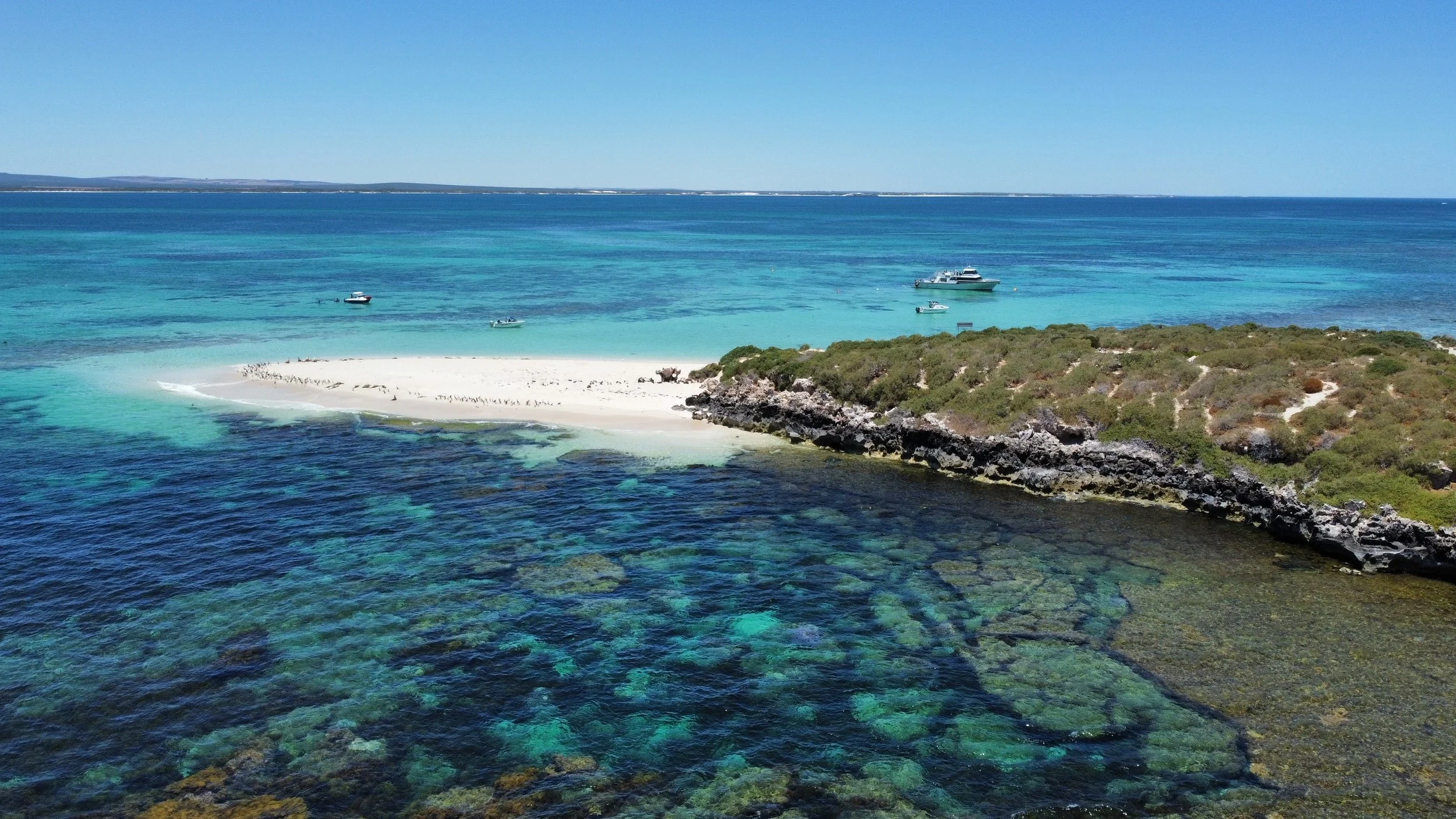
Large areas of the marine park are formed by bare or sparsely vegetated sand. These areas may appear empty from the surface, yet they contain burrowing worms, molluscs, small crustaceans and other animals beneath the seabed.
Rays and bottom-dwelling fish search across the sand for food. Sand channels between reefs and seagrass meadows also provide pathways for fish and other marine animals moving through the park.
The open water above these habitats connects the coastline, lagoons, reefs and offshore islands. Currents transport nutrients, plankton, fish larvae and Western rock lobster larvae between different parts of the marine environment.
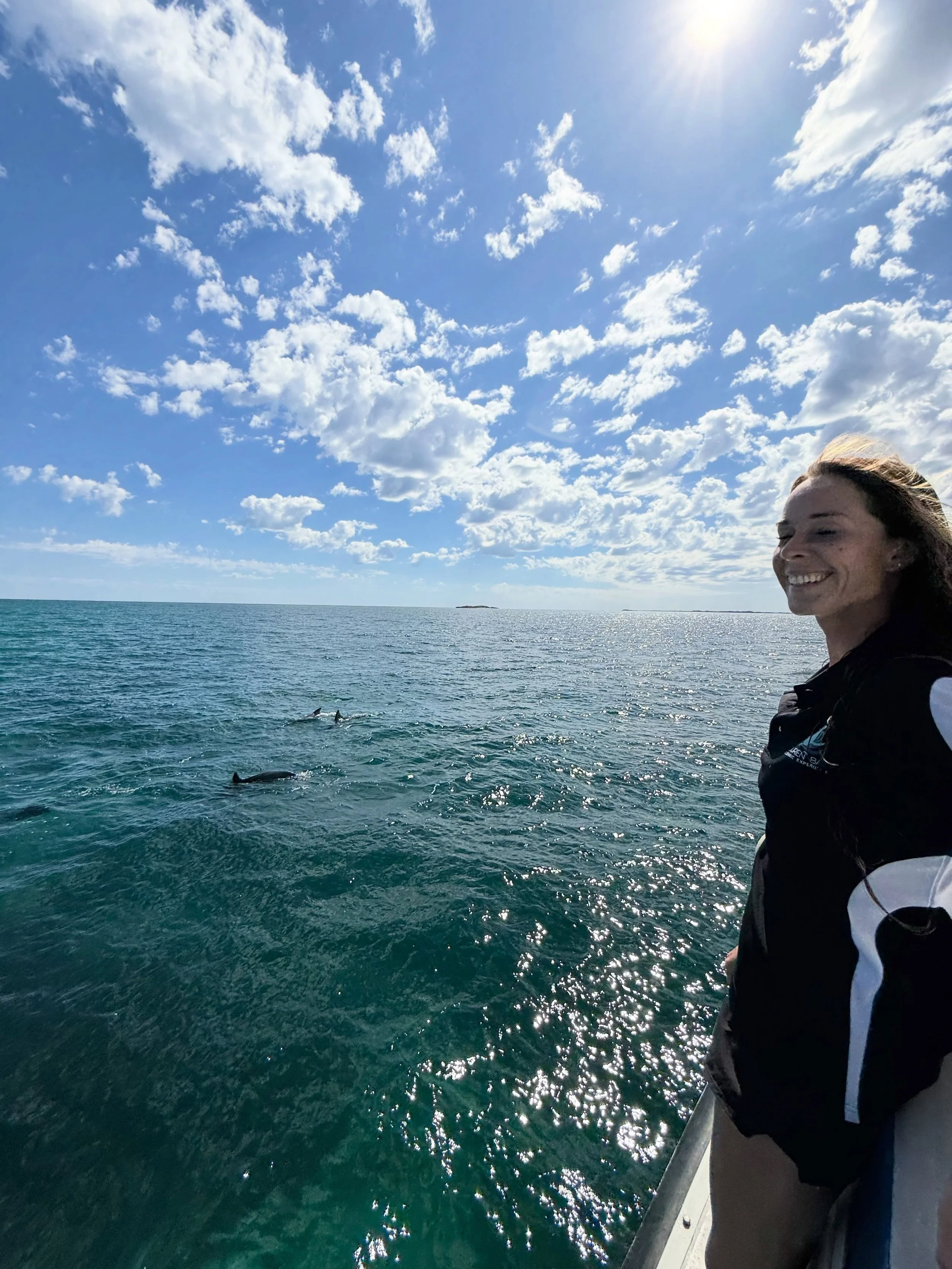
Dolphins and Australian sea lions travel through these waters while feeding. Humpback whales pass along the coast during their annual migration, and turtles, long-nosed fur seals and occasional dugongs may also enter the marine park.
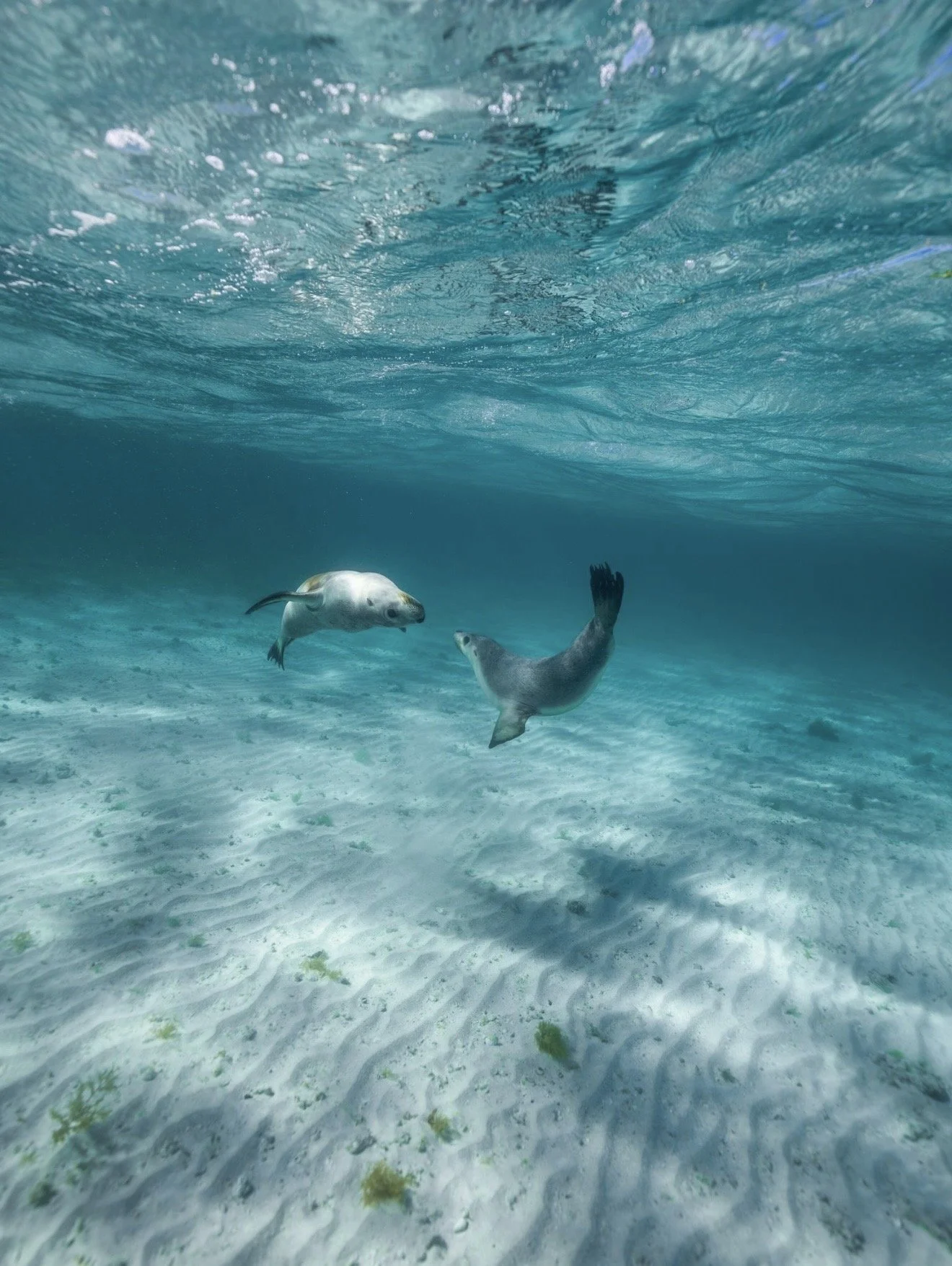
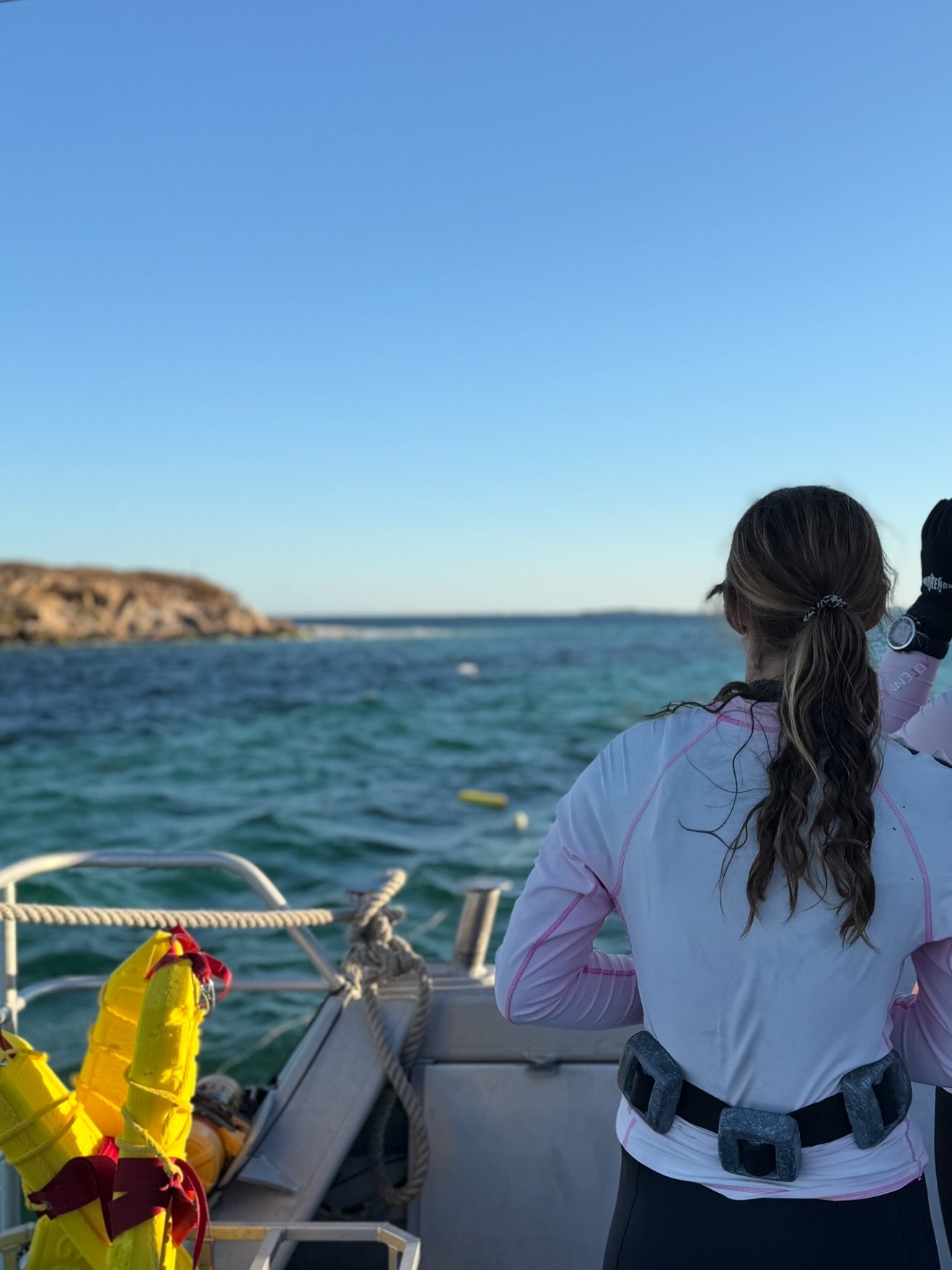
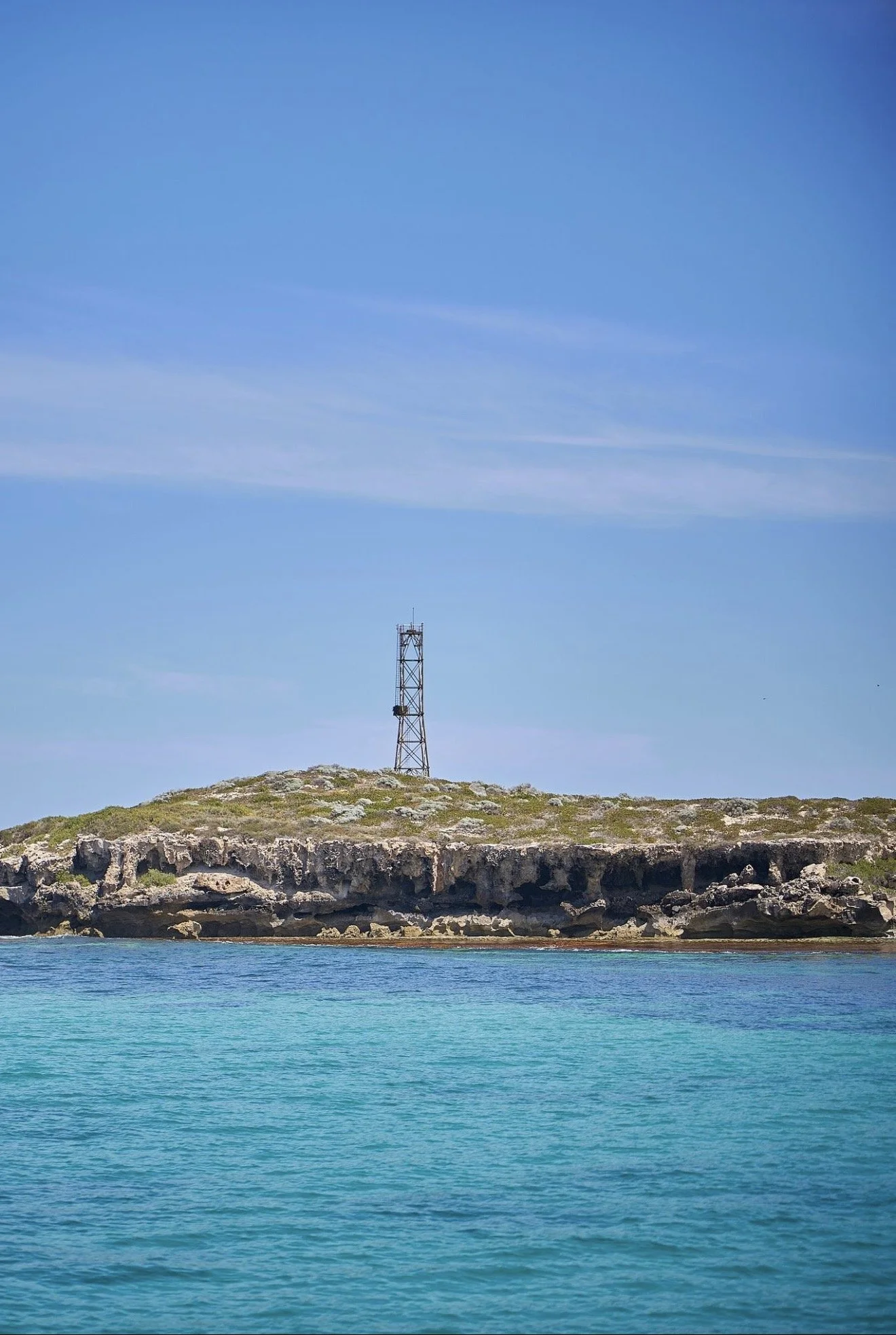
The Jurien Bay Marine Park contains 25 islands and rocky outcrops protected as nature reserves. Their beaches, rocky shores and surrounding reefs create habitat above and below the waterline.
Australian sea lions use several islands for breeding and resting. Seabirds including fairy terns, ospreys and white-bellied sea eagles rely on the islands for nesting, feeding and shelter.
Intertidal reef platforms are repeatedly covered and exposed by the tides. Seaweeds, barnacles, molluscs, small crustaceans and other marine animals living here are adapted to changing water levels, wave action and exposure to sunlight.
Island vegetation and nesting areas are highly sensitive to disturbance. Public access is restricted, and visitors permitted on designated islands must remain on the beach and avoid entering vegetated areas.
Islands & Intertidal Habitats
Frequently Asked Questions
-
The main habitats include limestone reefs, seagrass meadows, sandy seabeds, sheltered lagoons, open water, intertidal platforms and offshore island nature reserves.
-
The park’s main reef system is formed from temperate limestone. The influence of the warm Leeuwin Current allows small communities of tropical coral and warm-water fish to occur alongside temperate macroalgae and seagrass.
-
Seagrass meadows provide food, shelter and nursery habitat for juvenile fish, Western rock lobsters and many small marine animals. They also help stabilise sediment within the shallow lagoons.
-
The outer limestone reefs reduce the force of ocean swell before it reaches the coastline. This creates calmer shallow waters where seagrass meadows and nursery habitats can develop.
-
Burrowing worms, molluscs, crustaceans and other invertebrates live within the sand. Rays and bottom-dwelling fish search across the seabed for food.
-
The islands provide breeding and resting habitat for endangered Australian sea lions, seabirds and several threatened land animals. Restricted access helps protect nesting areas, vegetation and wildlife from disturbance.
-
Yes. Snorkelling and diving are permitted throughout the marine park, including sanctuary zones. Visitors should check conditions, stay within their ability and avoid touching or damaging reefs and seagrass.
Related Guides
EXPLORE THE HABITATS OF THE JURIEN BAY MARINE PARK
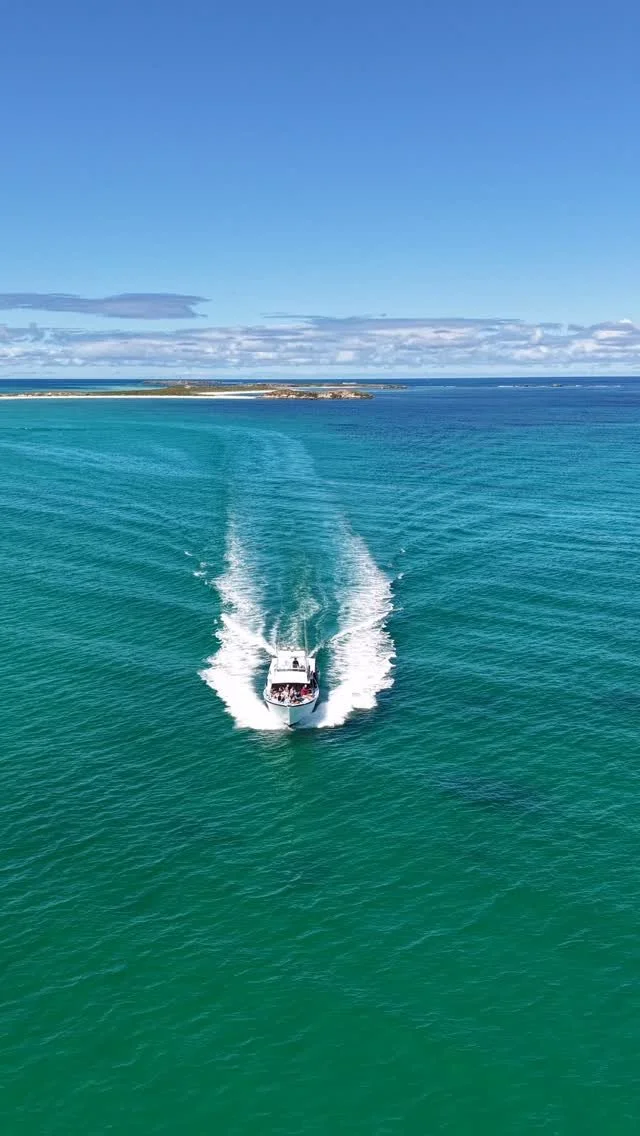
Discover these habitats from the water on our full-day Marine Park Experience. Travel between offshore islands, snorkel over reef and seagrass communities and learn about the marine environment from our local crew and marine biologists.
@jurienbayoceanic