Home > Marine Hub > Western Rock Lobster Guides > Sustainability & Fisheries Management
────────────
Discover how Western Australia's Western Rock Lobster fishery became one of the world's leading examples of sustainable fisheries management. From scientific research and stock monitoring to quota management and responsible marine tourism, this guide explores the systems that help protect Western Rock Lobsters while supporting coastal communities and future generations.
Last updated 2 August 2026.
Western Rock Lobster:
Sustainability & Fisheries Management
Based on more than six decades of experience lobster fishing in the Jurien Bay Marine Park.
Local knowledge. Real experience. Trusted information.
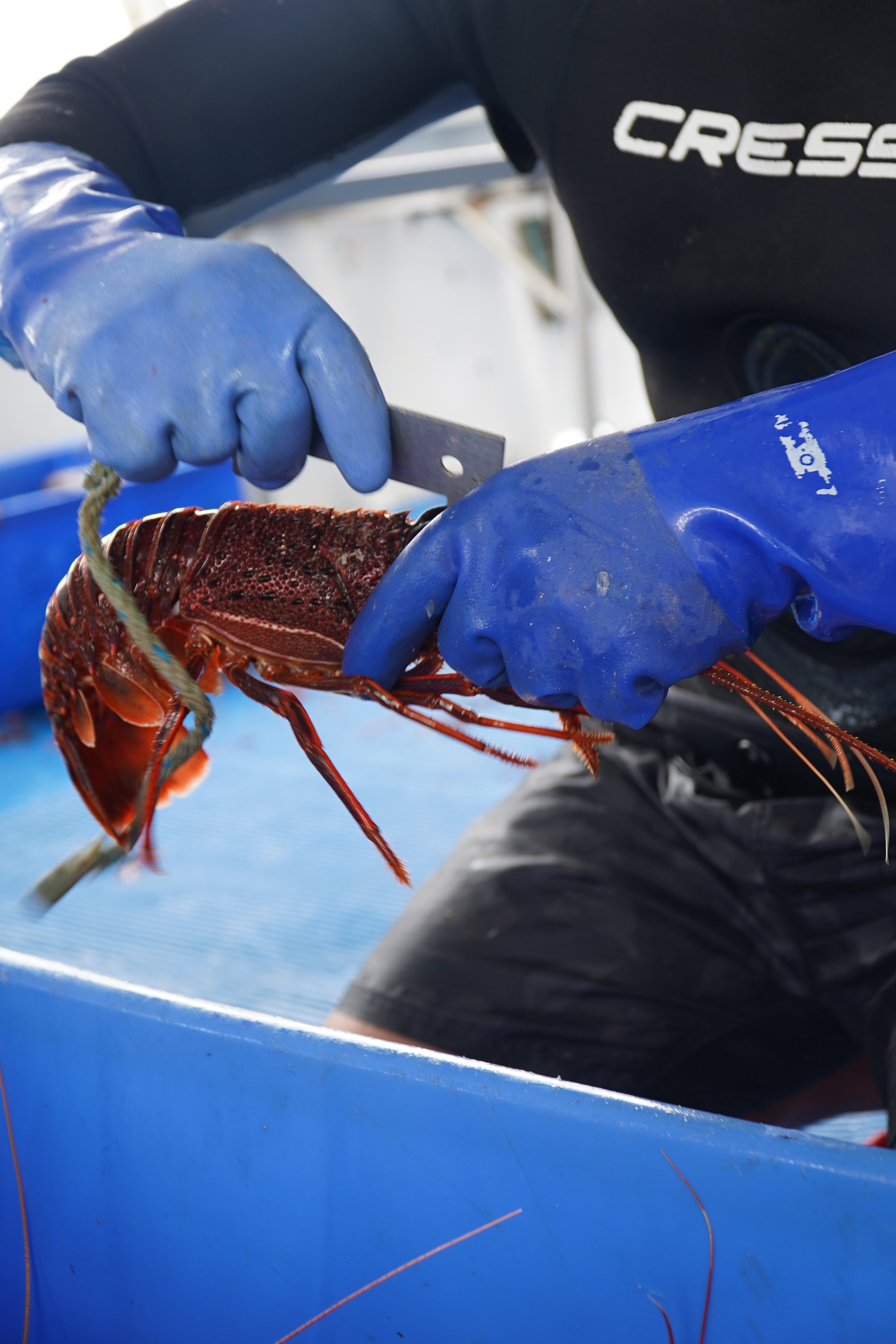
Western Australia's Western Rock Lobster fishery is recognised around the world for its commitment to sustainability, science and responsible management. Rather than relying on a single conservation measure, the fishery uses a combination of scientific research, stock monitoring, harvest controls and adaptive management to help ensure healthy lobster populations for future generations.
Over many decades, fisheries scientists, government agencies, commercial fishers and the wider industry have worked together to better understand the biology and behaviour of Western Rock Lobsters. This collaborative approach allows management decisions to be guided by evidence, with regulations evolving as new research and environmental conditions emerge.
Today, the fishery is widely regarded as one of the world's leading examples of sustainable fisheries management. It demonstrates how healthy marine ecosystems, responsible harvesting, recreational fishing and marine tourism can successfully exist alongside one another when supported by long-term science and careful management.
The following sections explore some of the key initiatives that have helped shape Western Australia's internationally recognised approach to Western Rock Lobster sustainability.
Why Is the Western Rock Lobster Industry Considered One of the World's Best?
────
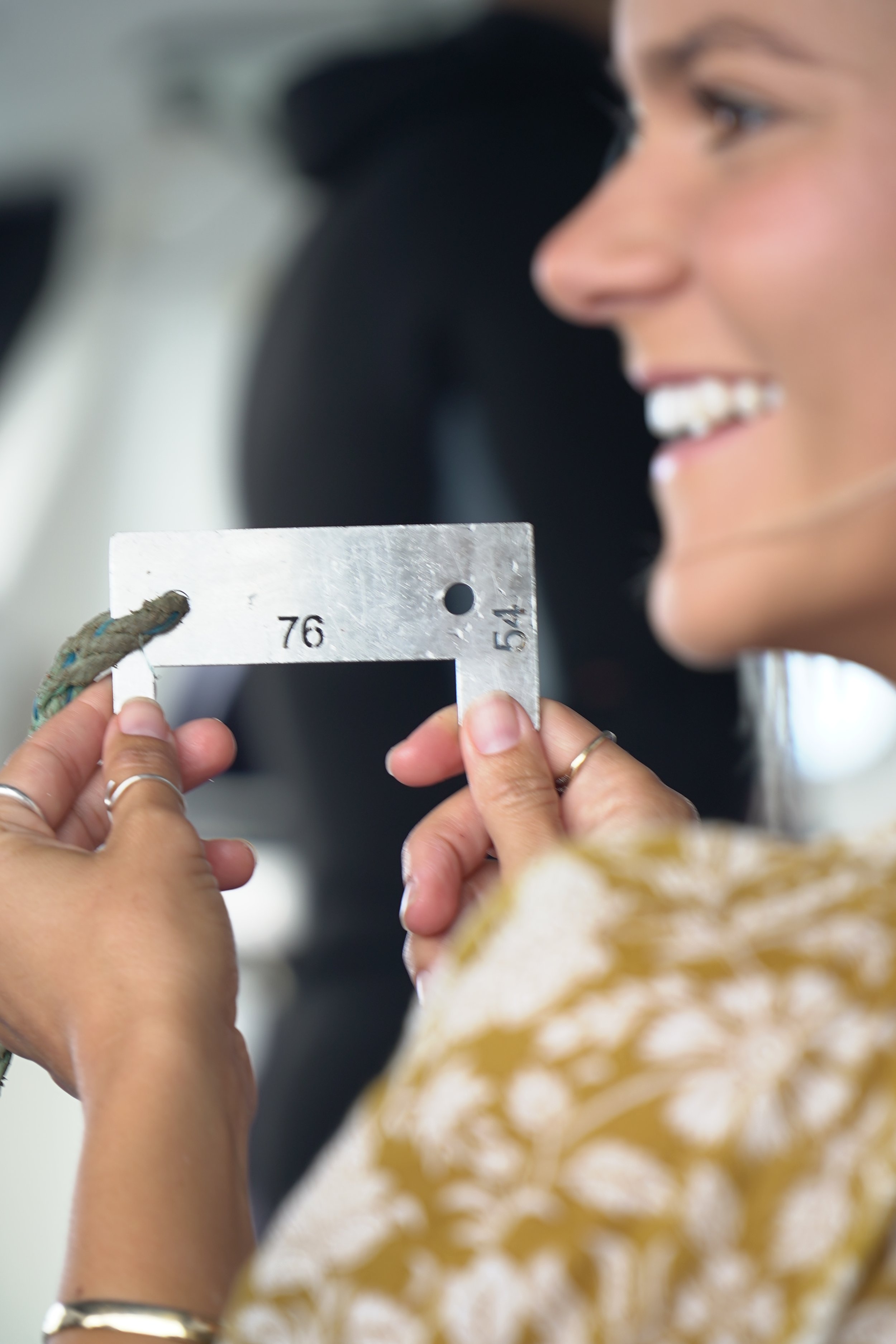
The long-term sustainability of Western Rock Lobsters begins with science. Every year, researchers collect and analyse data from across the Western Australian coastline to better understand lobster populations, breeding success, environmental conditions and future recruitment. This information helps guide management decisions and ensures the fishery can adapt as conditions change.
One of the most important tools used by researchers is the puerulus collector. These specially designed collectors are positioned along the coast to monitor the settlement of juvenile Western Rock Lobsters, known as puerulus. By measuring the number of young lobsters arriving each year, scientists can estimate the strength of future lobster populations several years before those animals reach the fishery.
These long-term monitoring programs have been operating for decades and provide one of the world's most valuable datasets for understanding a commercially harvested marine species. Combined with ongoing stock assessments and environmental monitoring, they allow fisheries managers to make informed, science-based decisions that help maintain healthy lobster populations while supporting sustainable fishing opportunities.
Visitors joining our Rock Lobster Catch & Keep Experience may even spot puerulus collectors while exploring the waters around Jurien Bay. These unassuming devices play a vital role in understanding the future of Western Rock Lobsters and offer a fascinating insight into the science that underpins one of the world's most respected fisheries.
At Jurien Bay Oceanic Experience, we're proud to contribute to the ongoing understanding of Western Rock Lobsters and the marine environment through our involvement in research and data collection. By working alongside researchers and management agencies, we've seen firsthand how long-term scientific monitoring helps shape responsible fisheries management and protect this iconic species for future generations.
Science-Driven Fisheries Management
────
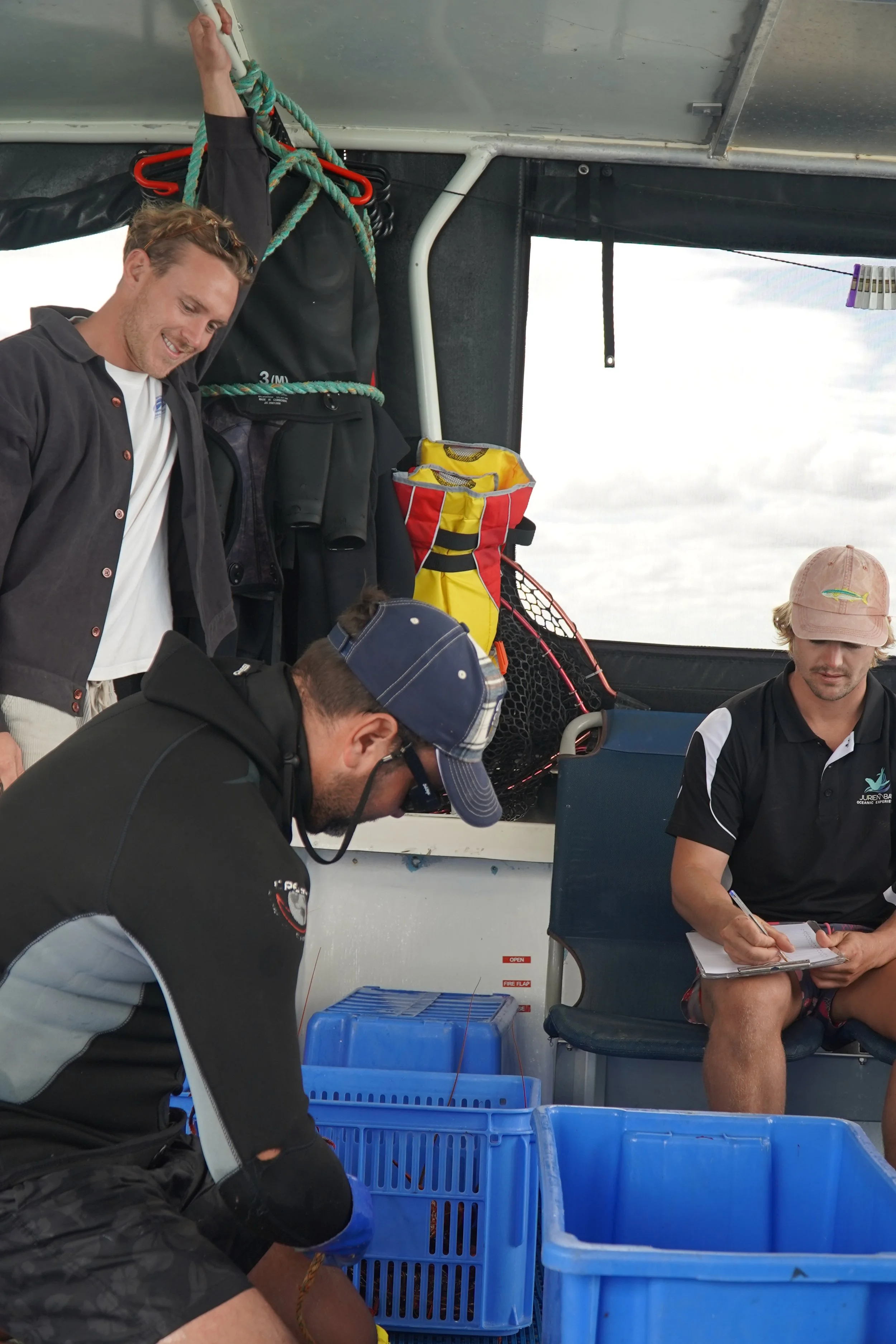
Sustainable fisheries management is constantly evolving as new research, technology and scientific understanding become available. One of the most significant changes in the history of the Western Rock Lobster fishery was the transition from traditional fishing seasons to a quota-based management system.
For many years, commercial fishing was controlled through seasonal opening and closing dates, along with limits on fishing effort. While this approach helped manage the fishery, it also meant fishers had a relatively short window to harvest their catch. As a result, there was often pressure to maximise catches while the season was open.
To better protect the long-term sustainability of the fishery, Western Australia introduced a quota management system. Instead of competing to catch as many lobsters as possible before the season closed, licensed commercial fishers are allocated a share of the Total Allowable Commercial Catch (TACC) each year.
This approach allows fishing activity to be spread more evenly throughout the year, reducing pressure on both the fishery and the market while ensuring the total commercial harvest remains within scientifically determined sustainable limits. The quota system also provides greater flexibility for commercial operators, supports consistent supply and allows fisheries managers to respond more effectively to changing environmental conditions.
Today, the quota system is recognised as one of the key reasons the Western Rock Lobster fishery continues to be regarded as a global leader in sustainable fisheries management. It demonstrates how science, industry and government can work together to adapt management practices while protecting both the species and the communities that rely on it.
From Fishing Seasons to Quotas
────
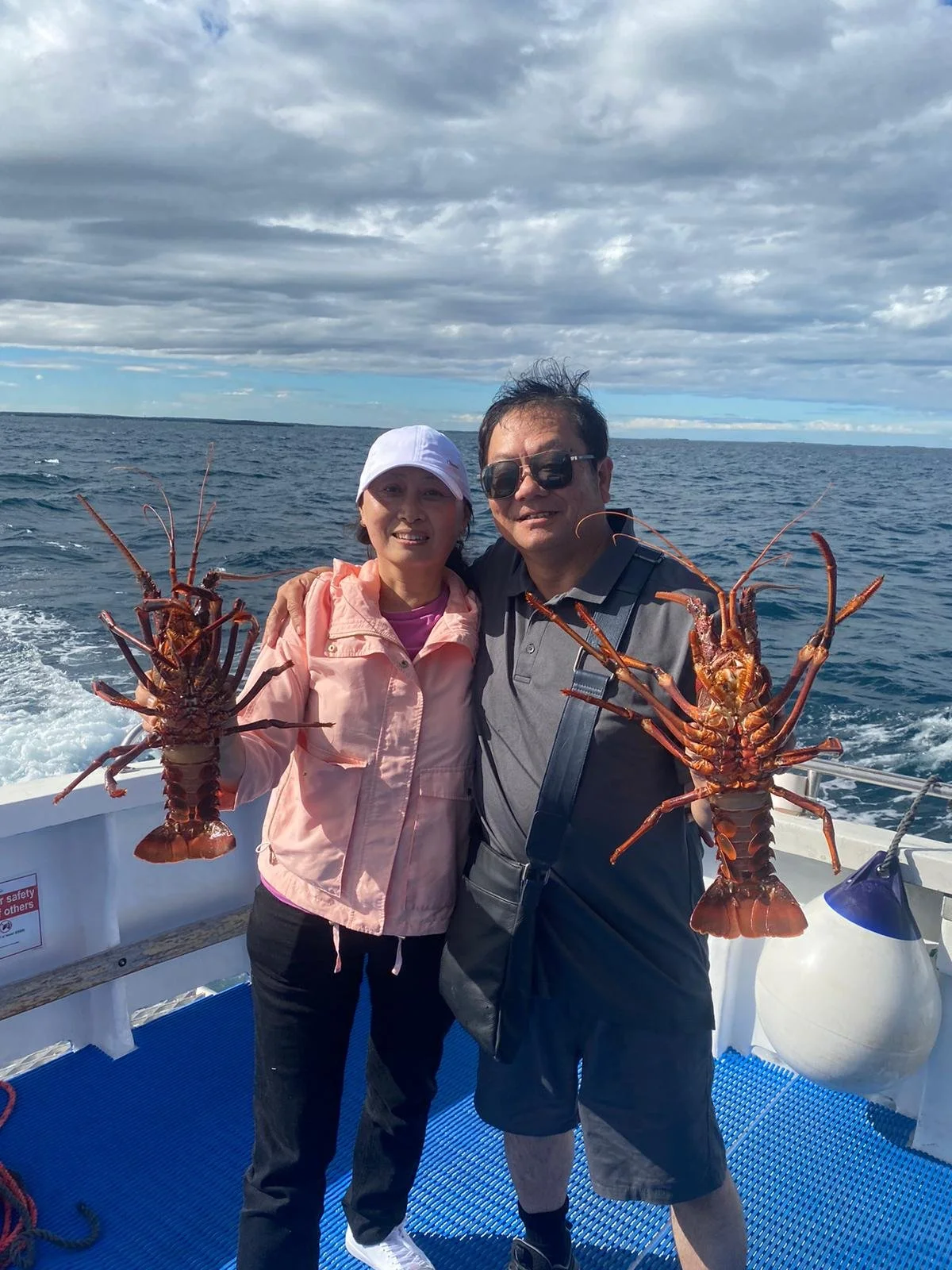
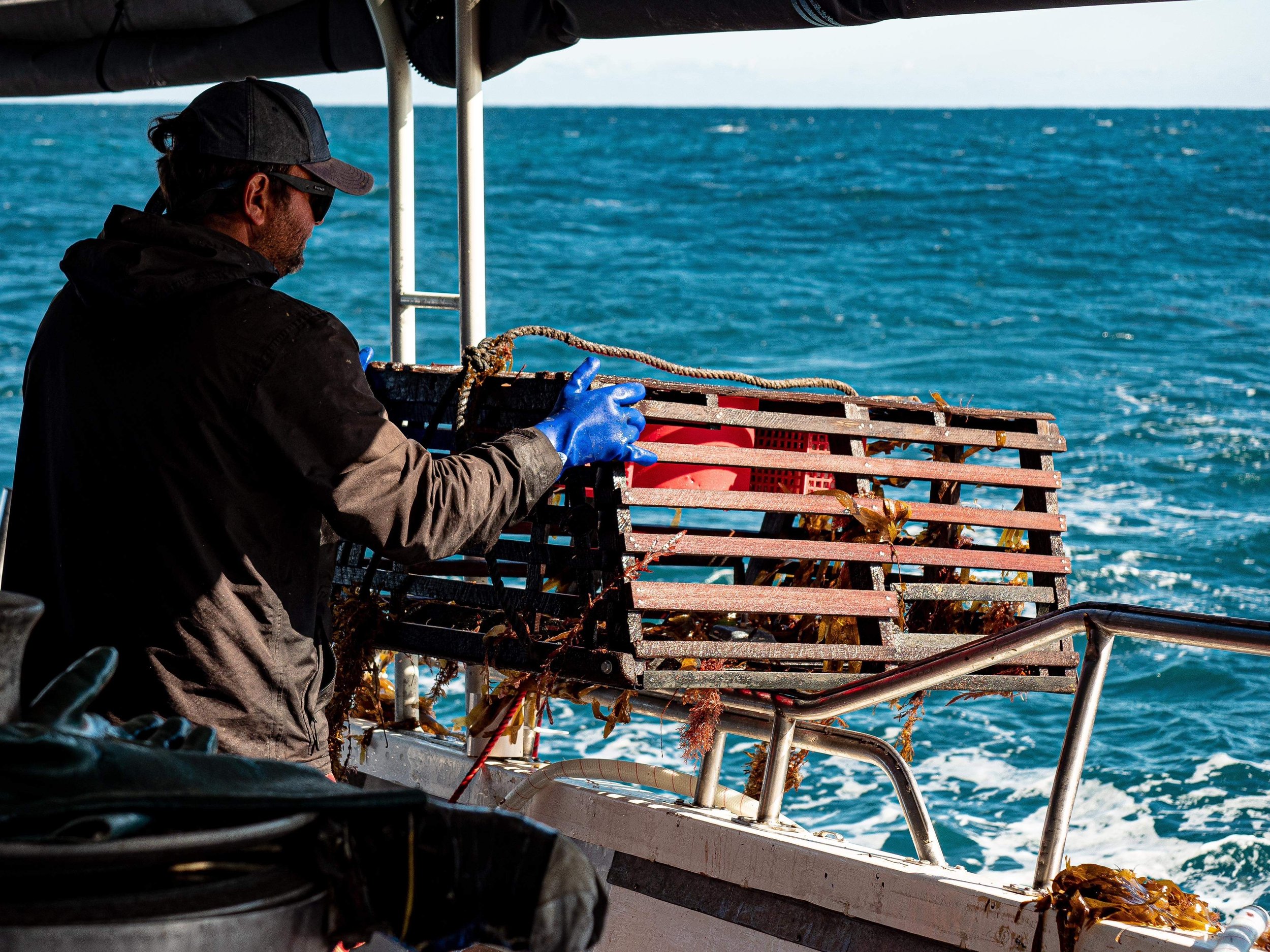
Sustainable tourism has become an important part of sharing the story of Western Australia's Western Rock Lobster fishery. By giving visitors the opportunity to experience the fishery firsthand, tourism helps build a greater understanding of sustainable fisheries management, marine conservation and the communities that rely on this iconic species.
In 2019, the Western Australian Government introduced the Rock Lobster Tourism Trial, allowing selected charter operators to deliver dedicated lobster tourism experiences under a carefully managed framework. The trial aimed to diversify regional tourism, showcase the Western Rock Lobster fishery and provide visitors with an authentic educational experience while supporting the long-term sustainability of the industry.
Jurien Bay Oceanic Experience was proud to be one of the participating operators. Since joining the trial, we have welcomed thousands of guests aboard to learn about the Western Rock Lobster fishery, observe commercial lobster pot pulling and discover the science, history and management that underpin one of the world's most respected fisheries.
The success of the trial demonstrated the value of tourism as a tool for education. By connecting people with the fishery and the marine environment, visitors gain a deeper appreciation of the ongoing research, careful management and collaborative approach that help protect Western Rock Lobsters for future generations.
Today, our Rock Lobster Catch & Keep Experience continues to share that story, providing visitors with a unique opportunity to experience an internationally recognised fishery while learning about the sustainability practices that support it.
Sustainable Tourism & the Rock Lobster Trial
────
Looking to the Future
────
Western Australia's approach to fisheries management continues to evolve as new research, technologies and environmental conditions emerge. Ongoing scientific monitoring, regular stock assessments and collaboration between researchers, government agencies and industry help ensure management decisions remain informed by the latest available evidence.
Like many marine species, Western Rock Lobsters are influenced by changing ocean conditions, including water temperature, currents and climate variability. Continued research helps scientists better understand these changes and adapt management strategies where needed, supporting both healthy lobster populations and resilient coastal communities.
The Western Rock Lobster fishery demonstrates that sustainability is an ongoing commitment rather than a fixed destination. Through continued investment in science, responsible management and community education, Western Australia is helping ensure this iconic species can be enjoyed by future generations.
-
The Western Rock Lobster fishery is recognised as one of the world's leading examples of sustainable fisheries management. It combines long-term scientific research, stock monitoring, quota management and adaptive decision-making to help maintain healthy lobster populations while supporting commercial fishing, recreational fishing and regional tourism.
-
Western Rock Lobster populations are monitored through a range of scientific programs, including puerulus collectors, stock assessments and ongoing fisheries research. The information collected helps scientists estimate future lobster abundance and guides management decisions to ensure the fishery remains sustainable.
-
A quota system allocates licensed commercial fishers a share of the Total Allowable Commercial Catch (TACC) each year. This approach helps ensure the total commercial harvest remains within sustainable limits while allowing fishing activity to be spread more evenly throughout the year.
-
Responsible tourism helps visitors better understand the Western Rock Lobster fishery, the science behind its management and the importance of marine conservation. Educational experiences create greater awareness of sustainable fishing practices while supporting regional communities and encouraging long-term stewardship of Western Australia's marine environment.
Frequently Asked Questions
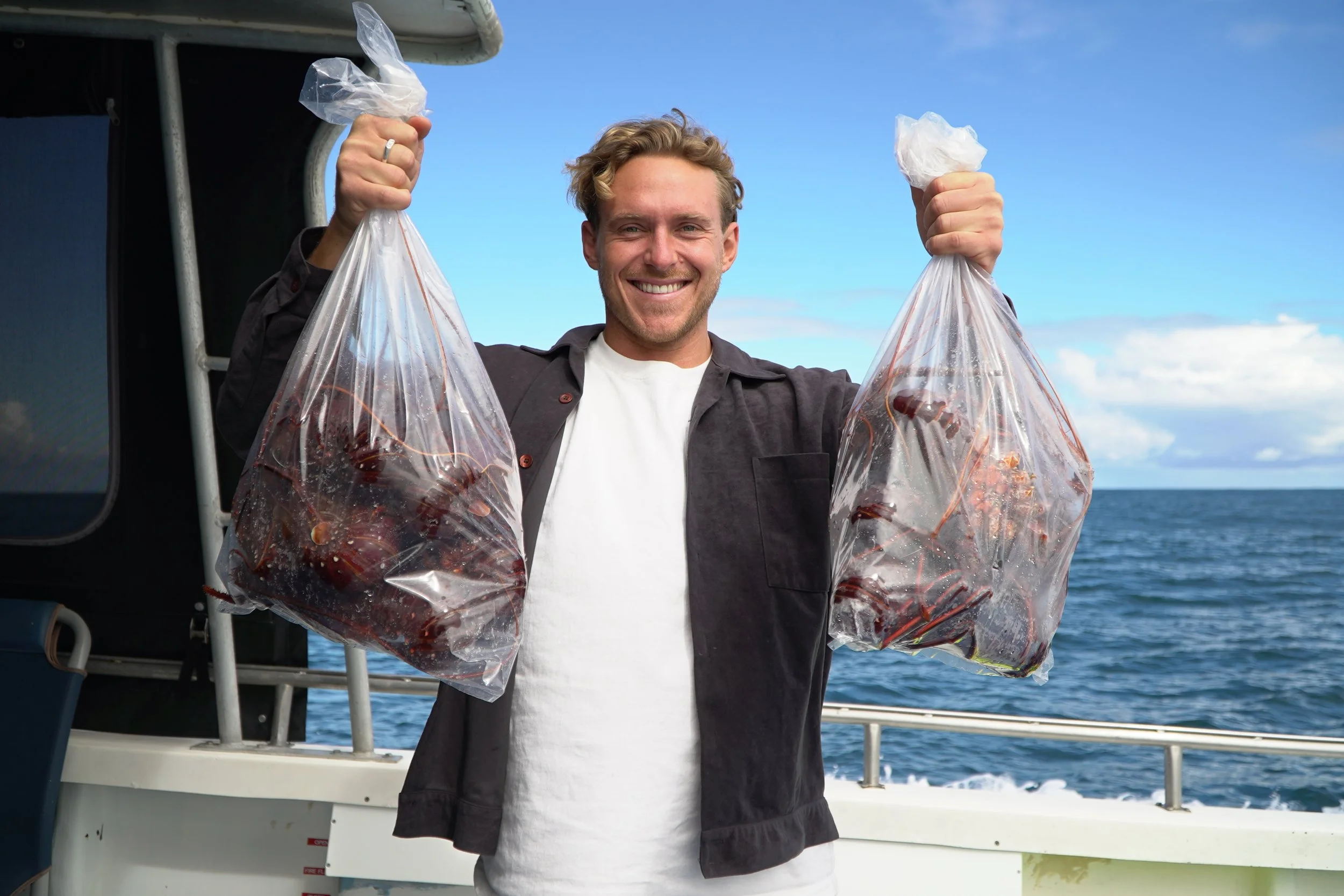
EXPERIENCE SUSTAINABLE FISHERIES MANAGEMENT FIRSTHAND
Understanding how Western Australia's Western Rock Lobster fishery is managed is one thing—experiencing it on the water is something entirely different.
Our Rock Lobster Catch & Keep Experience offers a unique opportunity to explore one of the world's most sustainably managed fisheries alongside experienced local operators. Watch commercial lobster pots being hauled from the ocean, learn about the science and management that underpin the fishery, and discover why Western Australia's approach has earned international recognition.
Whether you're interested in marine conservation, sustainable seafood or the rich maritime heritage of Jurien Bay, our experience offers an authentic insight into the people, practices and science behind this iconic industry.
Continue Exploring Our Western Rock Lobster Guides
@jurienbayoceanic