Home > Marine Hub > Western Rock Lobster Guides > What is a Western Rock Lobster?
Discover what makes Western Rock Lobsters one of Western Australia's most iconic marine species, where they live, what they eat, how they grow, and why they support one of the world's most sustainable fisheries.
Last updated 2 August 2026.
What is a Western Rock Lobster?
Based on more than six decades of experience lobster fishing in the Jurien Bay Marine Park.
Local knowledge. Real experience. Trusted information.
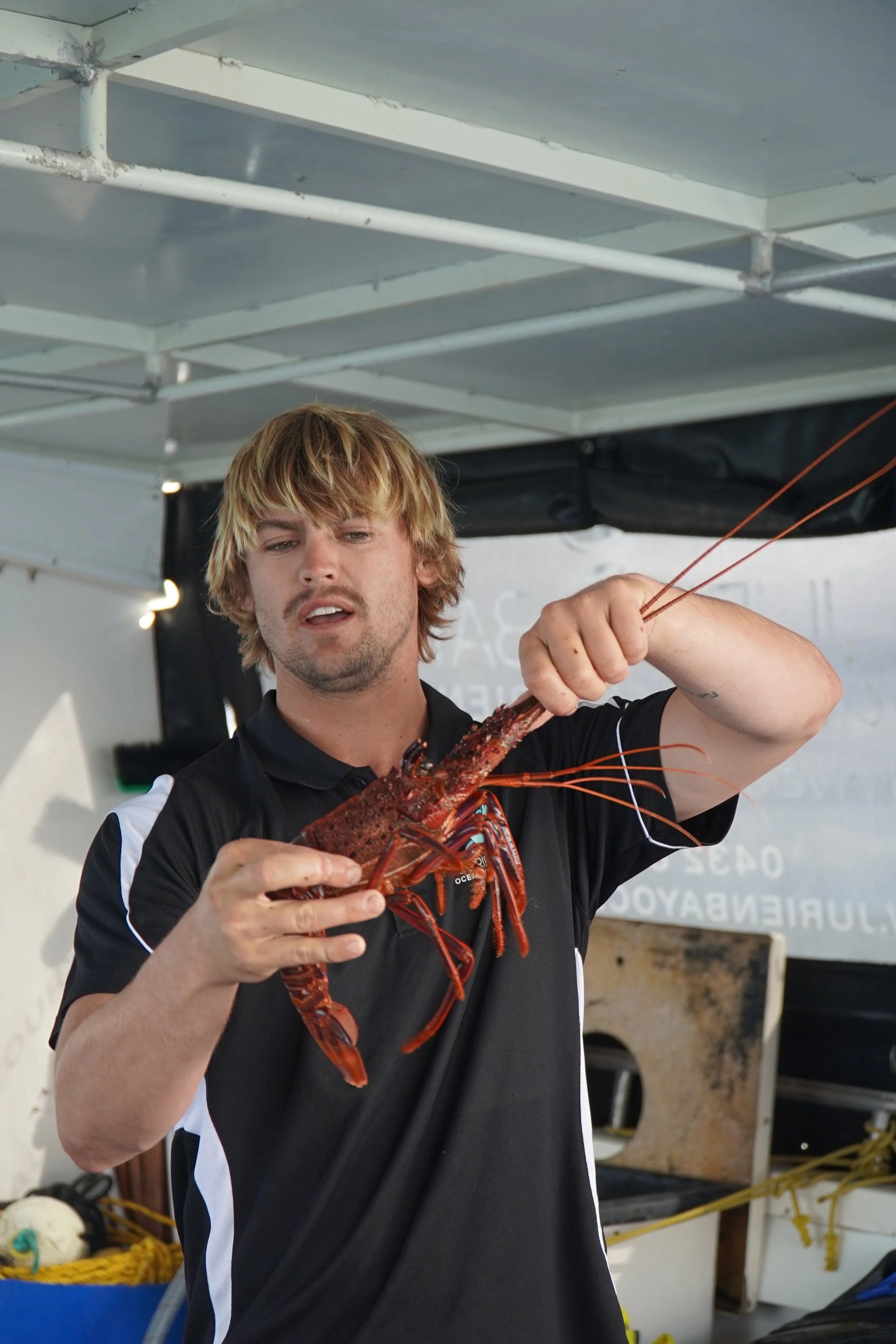
A Western Rock Lobster (Panulirus cygnus) is a species of spiny lobster found exclusively along the west coast of Western Australia. Unlike clawed lobsters found in Europe and North America, Western Rock Lobsters belong to the spiny lobster family and are recognised by their long antennae, hard protective shell and powerful tail.
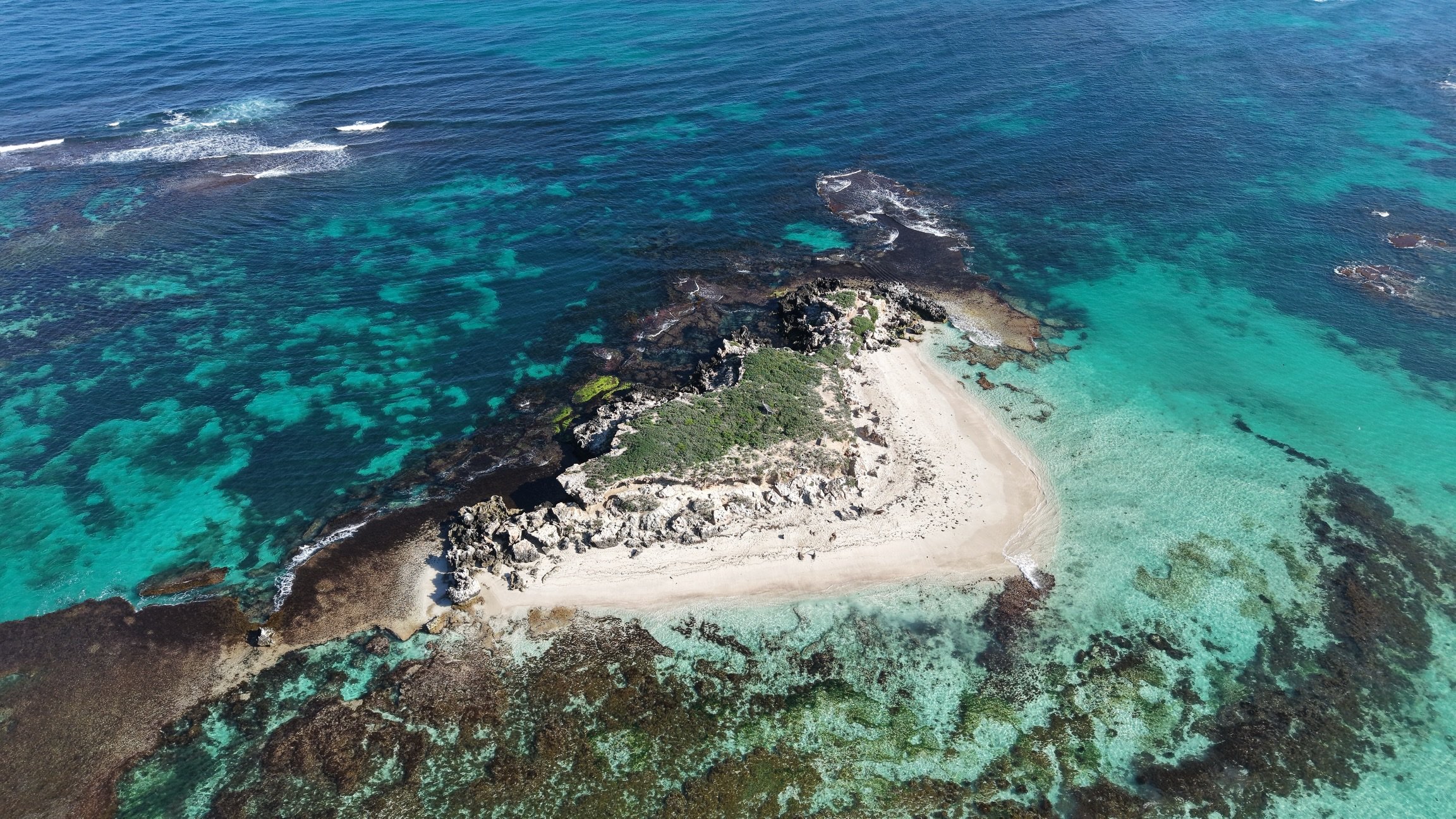
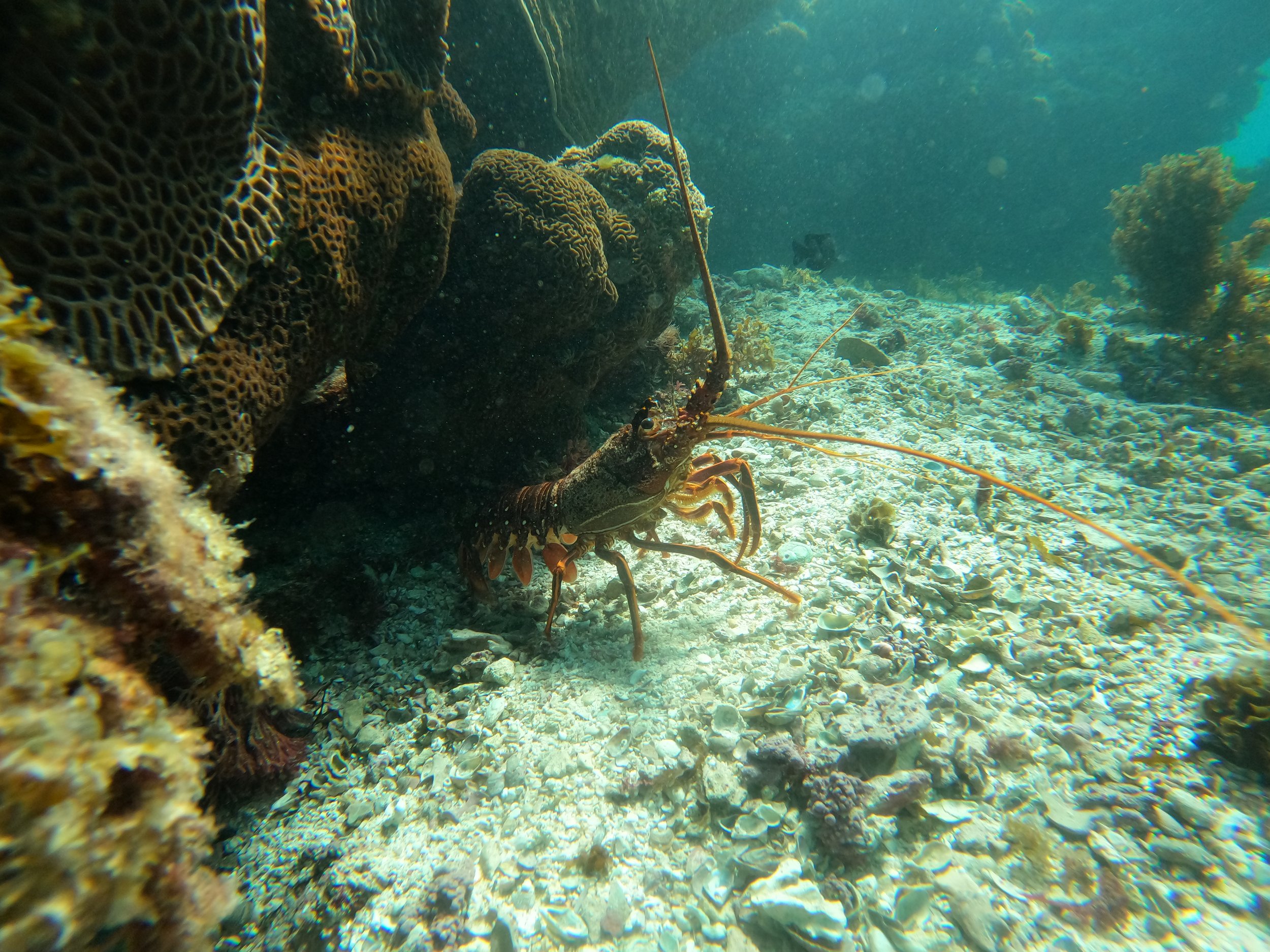
They inhabit limestone reefs, rocky ledges and seagrass habitats from Shark Bay to Cape Leeuwin, including the reefs of the Jurien Bay Marine Park. During the day they shelter beneath reef ledges before emerging at night to forage across the seafloor.
Western Rock Lobsters are not only an important part of Western Australia's marine ecosystems but also the foundation of one of the world's most sustainably managed fisheries. Careful scientific research and strict fisheries management have helped protect the species while supporting coastal communities for generations.
1 . What is a Western Rock Lobster?
2 . Western Rock Lobster Facts

Scientific Name
Panulirus cygnus

Conservation Status
Not threatened — supported by one of the world's most sustainably managed fisheries

Average Size
Typically 25–35 cm long and 0.8–2 kg

Distribution
Only along the west coast of Western Australia

Habitat
Limestone reefs, rocky ledges and seagrass meadows
3 . What Do Western Rock Lobsters Look Like?
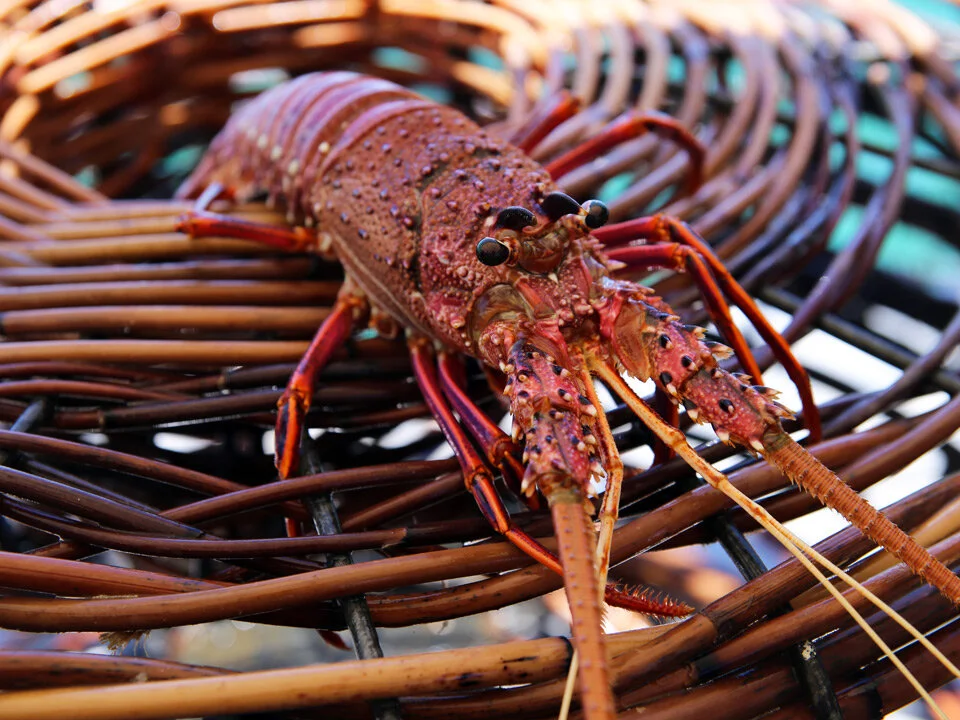
Western Rock Lobsters have a distinctive appearance that sets them apart from the clawed lobsters found in other parts of the world. Instead of large front claws, they have a hard, spiny shell, long antennae and a powerful tail that helps them escape predators with a rapid flick through the water.
Their shell ranges from reddish-brown to deep purple, helping them blend into the limestone reefs and rocky ledges they call home. Adult Western Rock Lobsters typically grow to around 25–35 centimetres in length, although some individuals can grow significantly larger.
These unique features make Western Rock Lobsters well adapted to life on the reefs of Western Australia's coastline, where camouflage and quick reflexes are essential for survival.
4 . Where Can You Find Western Rock Lobsters?
Western Rock Lobsters are found naturally only along the west coast of Western Australia, making them an endemic species unique to the region. Their range extends from Shark Bay in the north to Cape Leeuwin in the south, where they inhabit limestone reefs, rocky ledges and coastal reef systems.
Jurien Bay is one of the best places to encounter Western Rock Lobsters in their natural environment. The healthy reef systems within the Jurien Bay Marine Park provide ideal habitat, offering shelter, food and breeding areas throughout the year.
Although they spend much of the day hidden beneath rocky ledges and reef crevices, Western Rock Lobsters become more active after dark as they emerge to forage across the seafloor.
5 . What Do Western Rock Lobsters Eat?
Western Rock Lobsters are opportunistic feeders with a varied diet that helps keep reef ecosystems healthy. They feed on algae, seaweed, molluscs, marine worms, sea urchins and other small animals found on the ocean floor.
Rather than actively hunting large prey, they forage across reefs and seagrass habitats, using their antennae to explore their surroundings and locate food. This feeding behaviour plays an important role in maintaining the balance of Western Australia's coastal marine ecosystems.
Like many reef-dwelling animals, Western Rock Lobsters are primarily nocturnal, carrying out most of their feeding after sunset while remaining sheltered during the day.
6 . The Life of a Western Rock Lobster
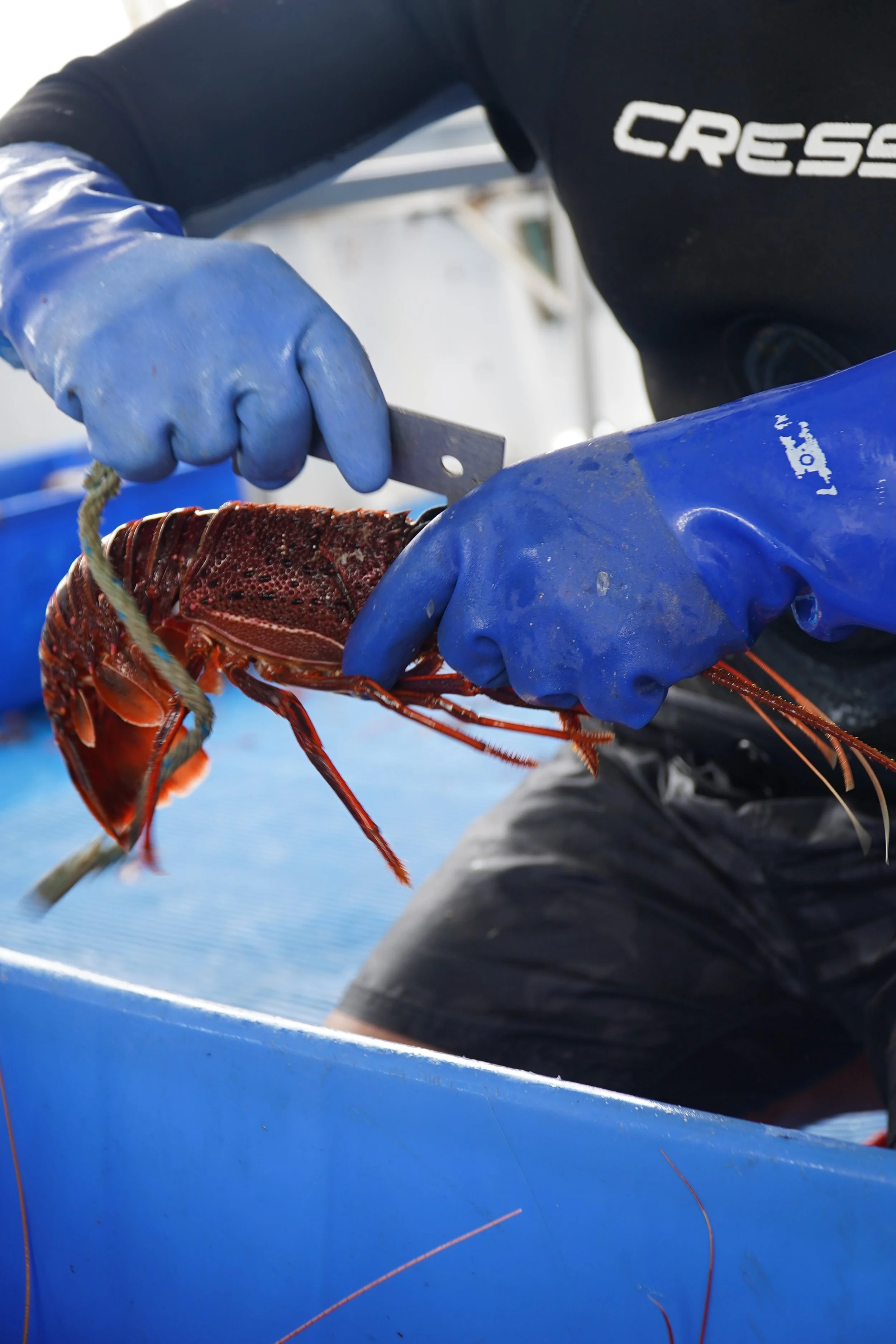
Like all crustaceans, Western Rock Lobsters grow by shedding their hard outer shell in a process known as moulting. After each moult, their new shell is soft for a short period, allowing their body to expand before it hardens again. As they mature, the time between moults becomes longer, with older lobsters growing more slowly than juveniles.
The life cycle of a Western Rock Lobster is one of the most remarkable in the marine world. From tiny drifting larvae to fully grown adults living among Western Australia's reefs, each stage of their development is influenced by ocean currents, habitat and environmental conditions.
Want to learn more?
Read our complete guide to the Life Cycle of a Western Rock Lobster.
7 . Why Are Western Rock Lobsters Important?
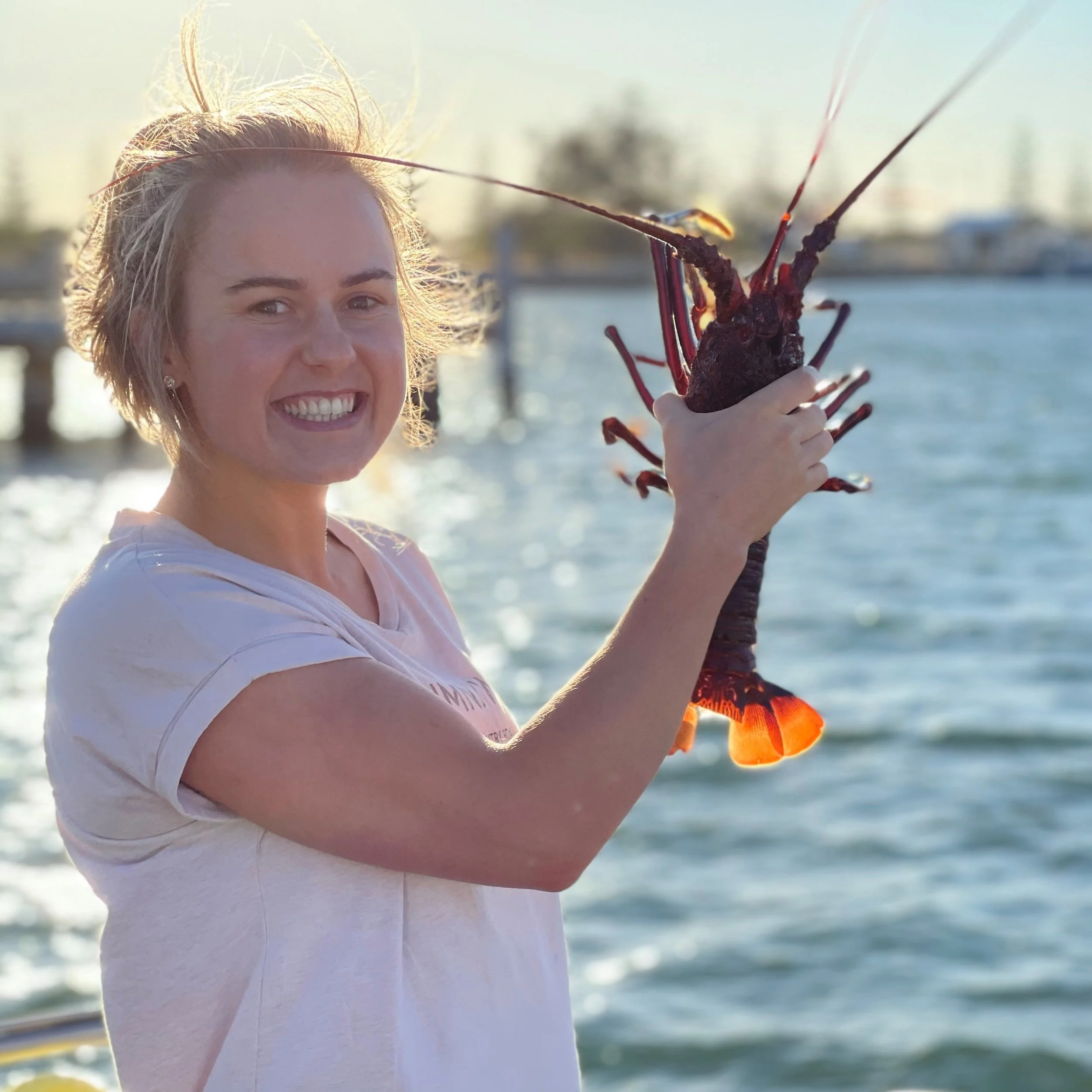
Western Rock Lobsters are much more than a valuable seafood species. They are an important part of Western Australia's coastal ecosystems, helping maintain healthy reef environments while supporting local communities and regional economies.
The Western Rock Lobster fishery has been a significant part of Western Australia's coastal communities for generations. In 2000, it became the first fishery in the world to achieve Marine Stewardship Council (MSC) certification, recognising its commitment to sustainable fishing practices. Today, ongoing scientific research, strict fisheries management and careful monitoring help protect healthy lobster populations while supporting one of Australia's most respected commercial fisheries.
Whether you're exploring the reefs around Jurien Bay or enjoying fresh local seafood, Western Rock Lobsters remain an iconic symbol of Western Australia's marine environment and coastal heritage.
8 . How Can You Experience Western Rock Lobsters in Jurien Bay?
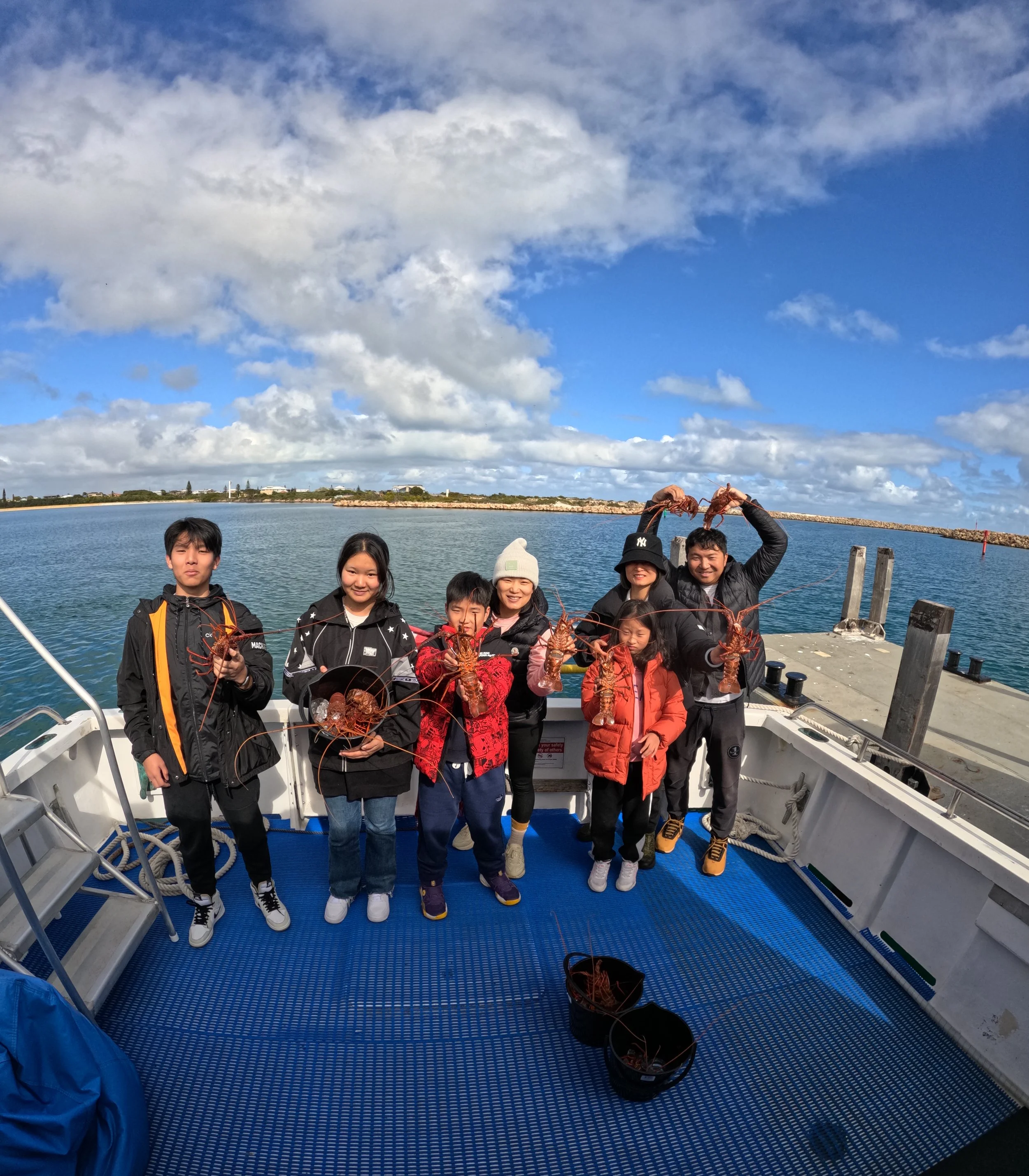
One of the best ways to learn about Western Rock Lobsters is to experience them where they naturally occur. Jurien Bay has a long history of commercial and recreational lobster fishing, making it one of Western Australia's best-known coastal destinations for discovering this remarkable species.
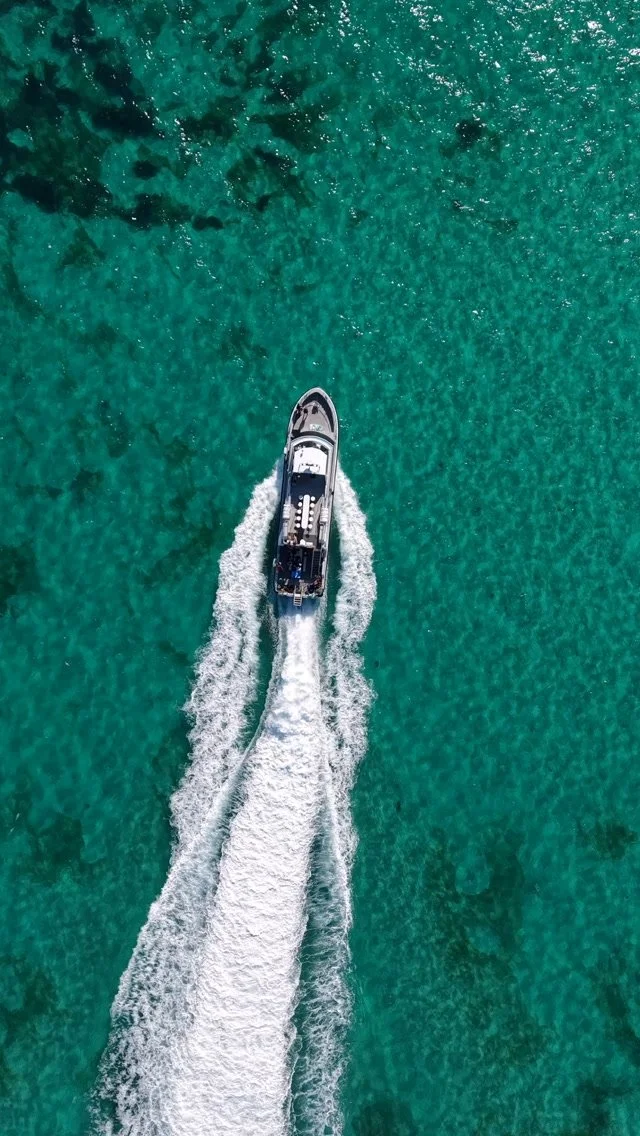
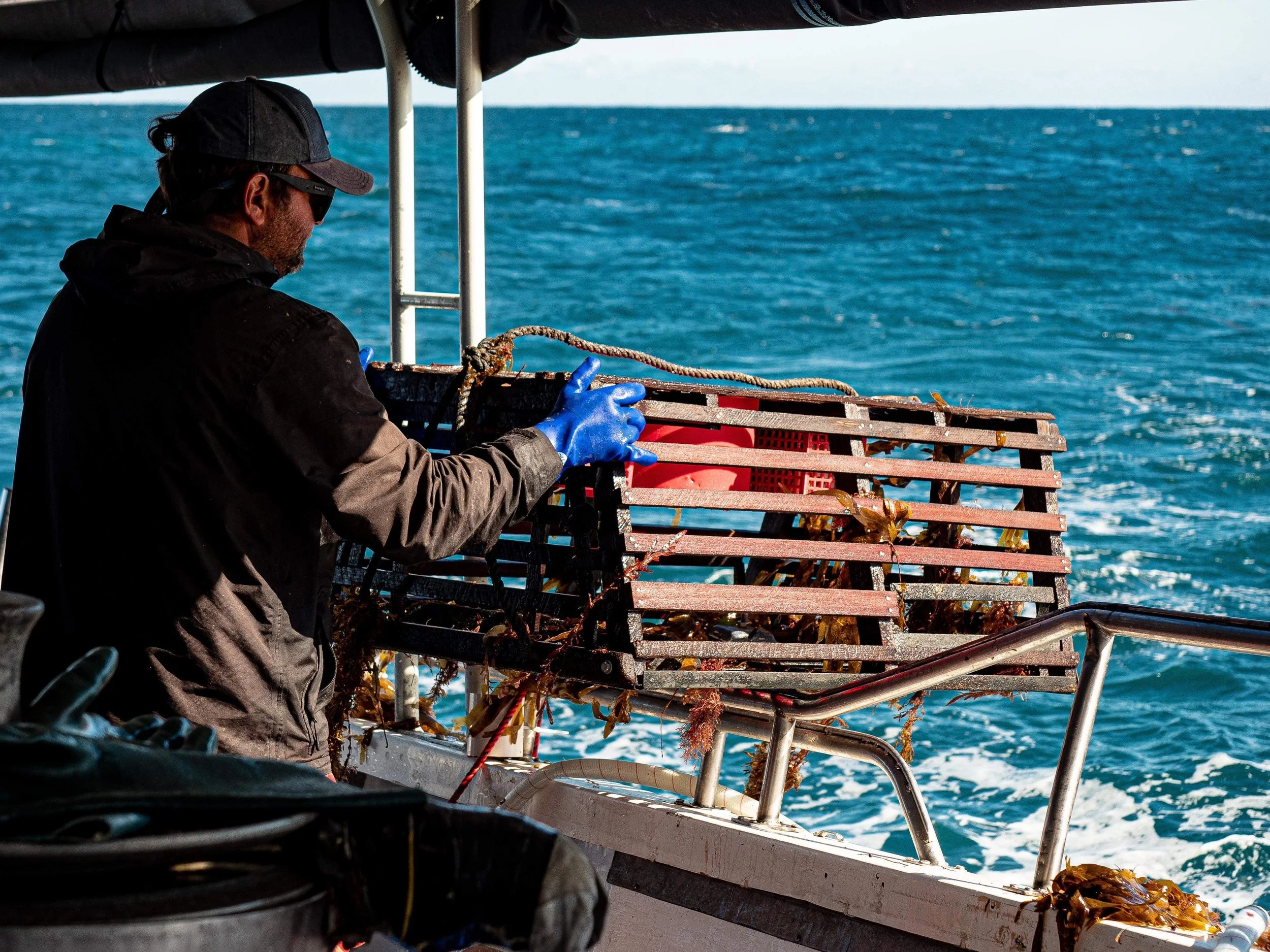
Our Rock Lobster Catch & Keep Experience offers a unique opportunity to learn about the local fishery, see how lobster pots are hauled from the ocean and gain a greater appreciation for the people, traditions and sustainability that make Western Australia's lobster industry world renowned.
Whether you're visiting Jurien Bay for the first time or looking to experience something uniquely Western Australian, it's an unforgettable way to connect with one of the state's most iconic marine species.
Frequently Asked Questions
-
A Western Rock Lobster (Panulirus cygnus) is a species of spiny lobster found only along the west coast of Western Australia. It is recognised by its long antennae, hard shell and lack of large front claws.
-
Yes. In Western Australia, the terms Western Rock Lobster, rock lobster and crayfish are commonly used to describe the same species, Panulirus cygnus. While "crayfish" can refer to freshwater species in other parts of the world, in Western Australia it almost always refers to the Western Rock Lobster.
-
Western Rock Lobsters are found only along the west coast of Western Australia, from Shark Bay to Cape Leeuwin. They live among limestone reefs, rocky ledges and seagrass habitats, including the reefs within the Jurien Bay Marine Park.
-
Western Rock Lobsters belong to the spiny lobster family, which evolved without the large front claws seen on clawed lobsters. Instead, they rely on their hard shell, powerful tail and long antennae for protection.
-
No. Western Rock Lobsters are not considered endangered. Their populations are carefully managed through science-based fisheries management, helping maintain healthy stocks while supporting one of the world's most sustainable fisheries.
-
Yes. Jurien Bay is one of Western Australia's best places to see Western Rock Lobsters in their natural environment. Visitors can also experience the region's lobster fishing heritage on our Rock Lobster Catch & Keep Experience.
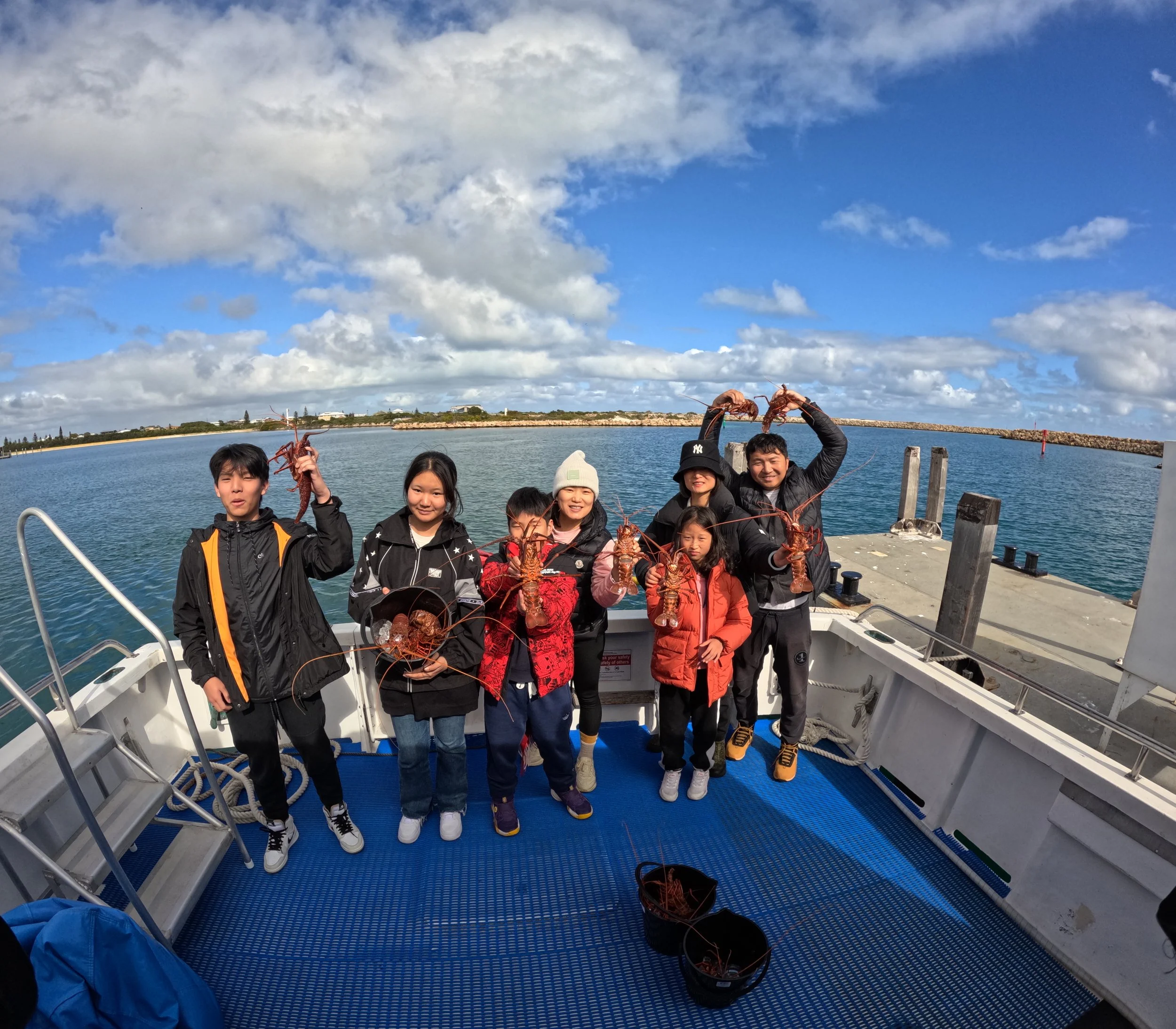
EXPERIENCE THE WESTERN ROCK LOBSTER INDUSTRY IN JURIEN BAY
Reading about Western Rock Lobsters is one thing—but seeing them in their natural environment is an experience you'll never forget.
Our Rock Lobster Catch & Keep Experience takes you behind the scenes of one of Western Australia's most iconic fisheries. Join our experienced local crew as you learn about the species, discover how lobster pots are hauled from the ocean, and gain a deeper appreciation for the history, sustainability and traditions that have shaped the Jurien Bay coastline.
Whether you're passionate about marine wildlife, interested in sustainable fishing, or simply looking for a uniquely Western Australian experience, it's an unforgettable way to connect with one of the state's most remarkable marine species.
Continue Exploring Our Western Rock Lobster Guides
@jurienbayoceanic