Home > Marine Hub > Western Rock Lobster Guides > Western Rock Lobster Life Cycle
Western Rock Lobster
Life Cycle
────────────
Discover the remarkable life cycle of the Western Rock Lobster, one of the longest and most complex of any commercially harvested marine species. From microscopic larvae drifting across the Indian Ocean to fully grown adults living among Western Australia's limestone reefs, each stage of the journey plays an important role in the survival of this iconic species.
Last updated 5 August 2026.
Based on more than six decades of experience lobster fishing in the Jurien Bay Marine Park.
Local knowledge. Real experience. Trusted information.
Life Cycle at a Glance
──────

Eggs
Carried beneath the female's tail before hatching.

Larval Drift
Drift in the Indian Ocean for up to 11 months.
Juvenile
Settle onto reefs and begin life on the ocean floor.

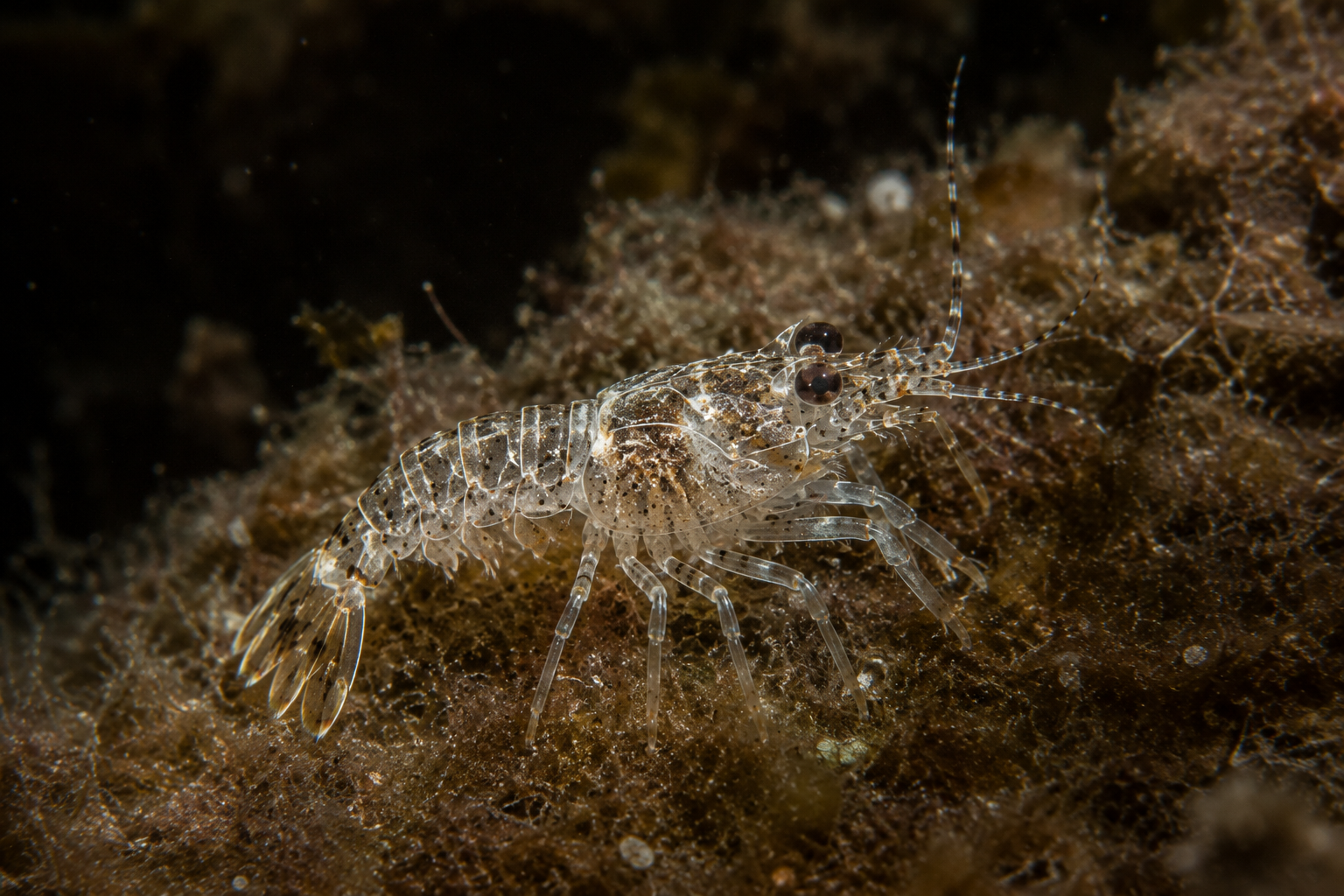
Puerulus
Transparent post-larvae return to the WA coastline.

Adult
Can live for more than 20 years and reproduce many times.
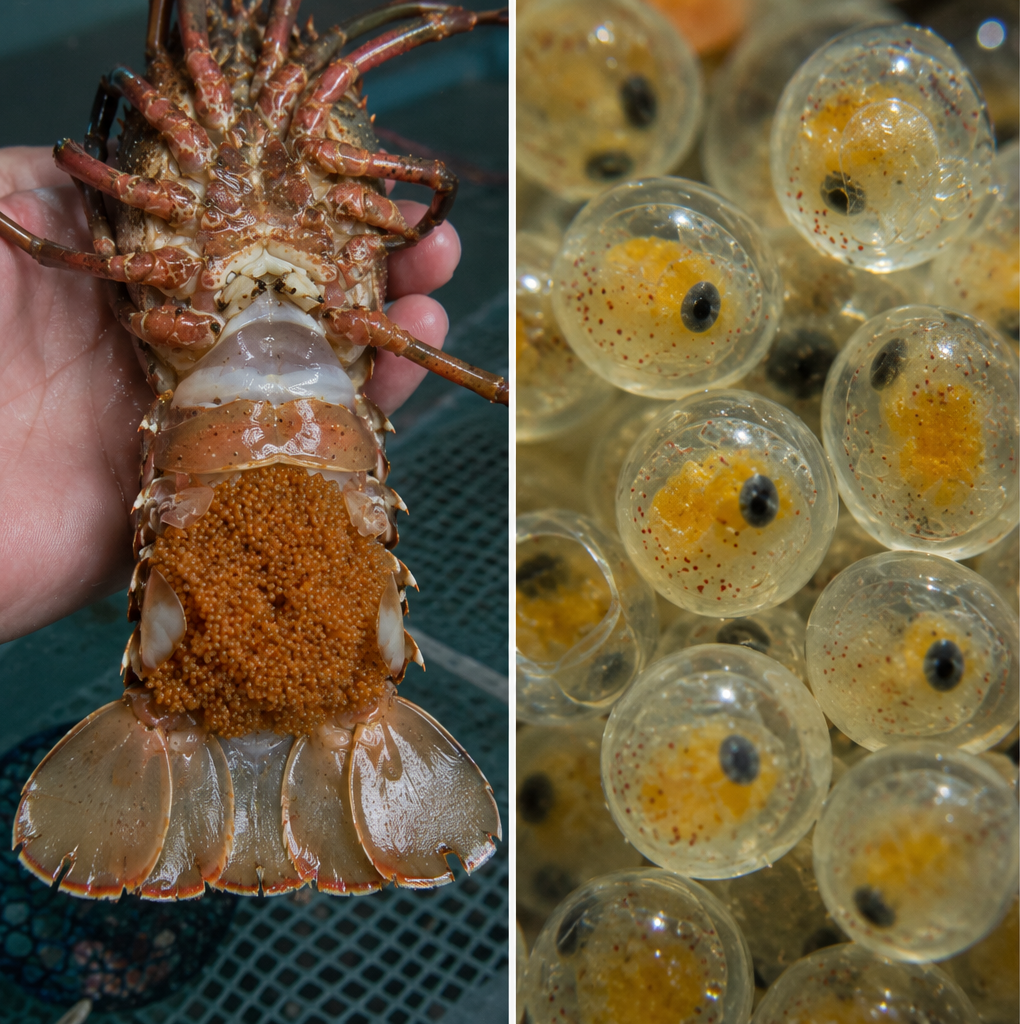
The life cycle of a Western Rock Lobster begins when mature females carry thousands of fertilised eggs beneath their tail. These eggs remain attached for several months, protected by the female until they are ready to hatch.
Once released, the tiny larvae enter the open ocean, beginning one of the most extraordinary journeys in the marine world. Unlike many marine animals that spend only a short time as larvae, Western Rock Lobsters remain in the ocean for many months before returning to the Western Australian coastline.
The Beginning: Spawning
────

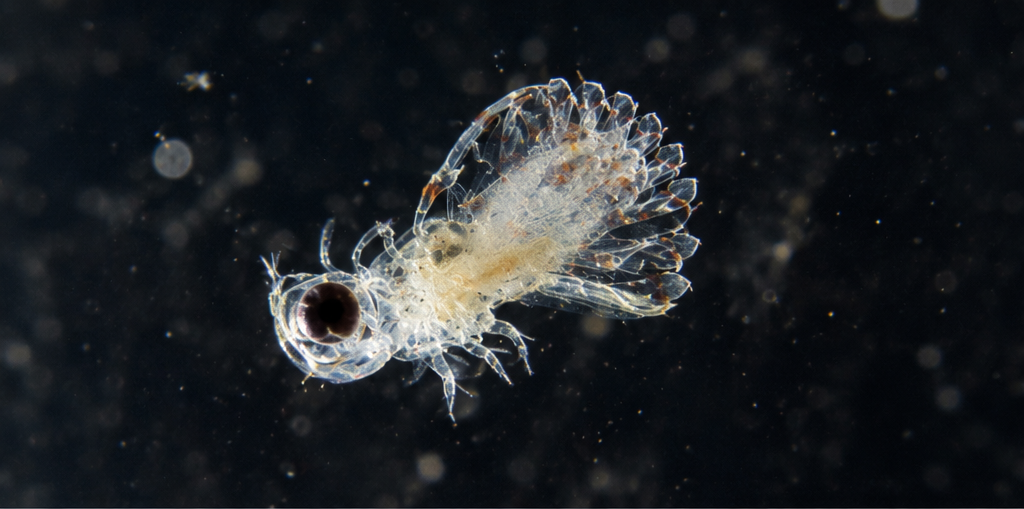
After hatching, Western Rock Lobsters enter the phyllosoma stage—a transparent, leaf-shaped larva unlike the adult lobster most people recognise.
During this stage, they drift with ocean currents throughout the Indian Ocean for up to eleven months. Ocean currents, water temperature and environmental conditions all influence their journey and ultimately affect how many young lobsters successfully return to the Western Australian coast.
Although millions of larvae begin this journey each year, only a small proportion survive to reach the next stage of life.
Drifting Across the Indian Ocean
────
Returning to the Coast
────
After months drifting offshore, the larvae transform into a transparent stage known as a puerulus. Unlike the earlier larval stage, a puerulus actively swims towards the Western Australian coastline, searching for suitable habitat where it can settle and begin life on the seabed.
This marks one of the most important stages in the Western Rock Lobster life cycle, as successful settlement plays a major role in determining the strength of future lobster populations.
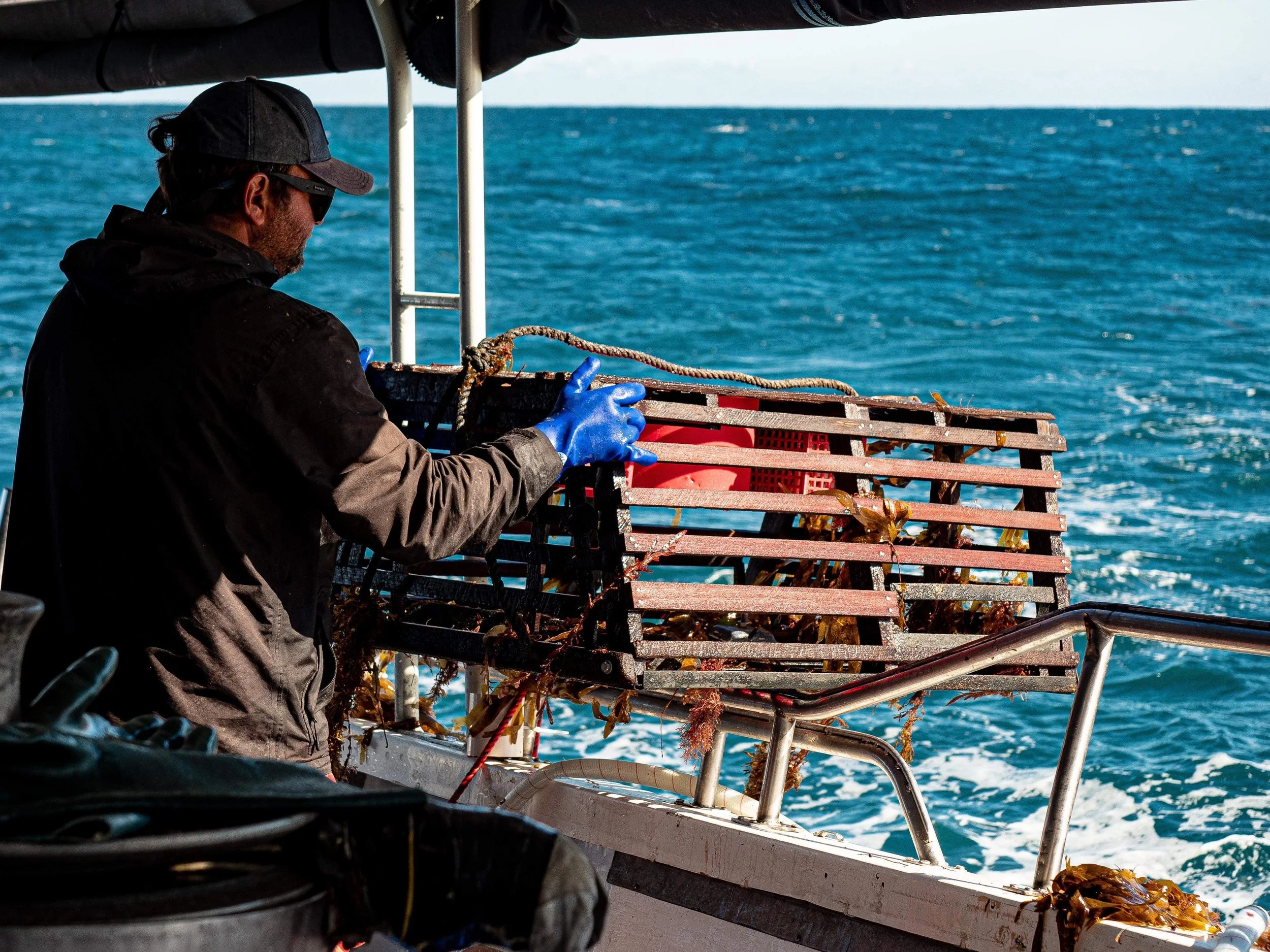
To better understand how many young Western Rock Lobsters successfully return to the coast each year, fisheries scientists use specialised puerulus collectors. These artificial seaweed-like structures attract settling puerulus and provide valuable information about future lobster recruitment.
The information collected helps scientists estimate the strength of future lobster populations several years before those animals reach adulthood, making puerulus monitoring one of the most important tools in Western Australia's fisheries management.
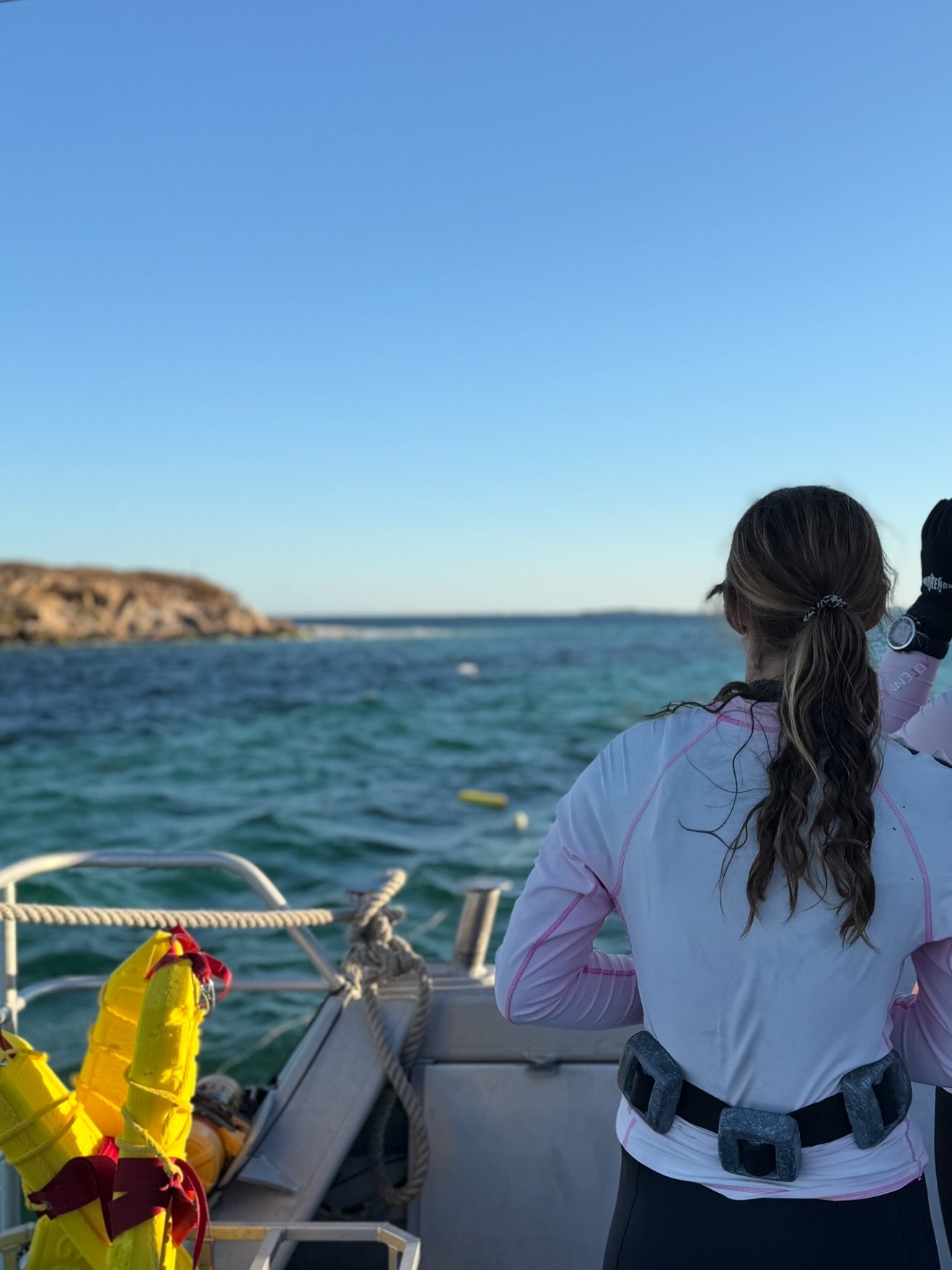
Here in the Jurien Bay Marine Park, dedicated puerulus monitoring sites contribute to one of the world's longest-running marine monitoring programs. Visitors joining our tours often pass these collectors, offering a unique glimpse into the science that helps support one of the world's most sustainably managed fisheries.
How Scientists Monitor the Next Generation
────
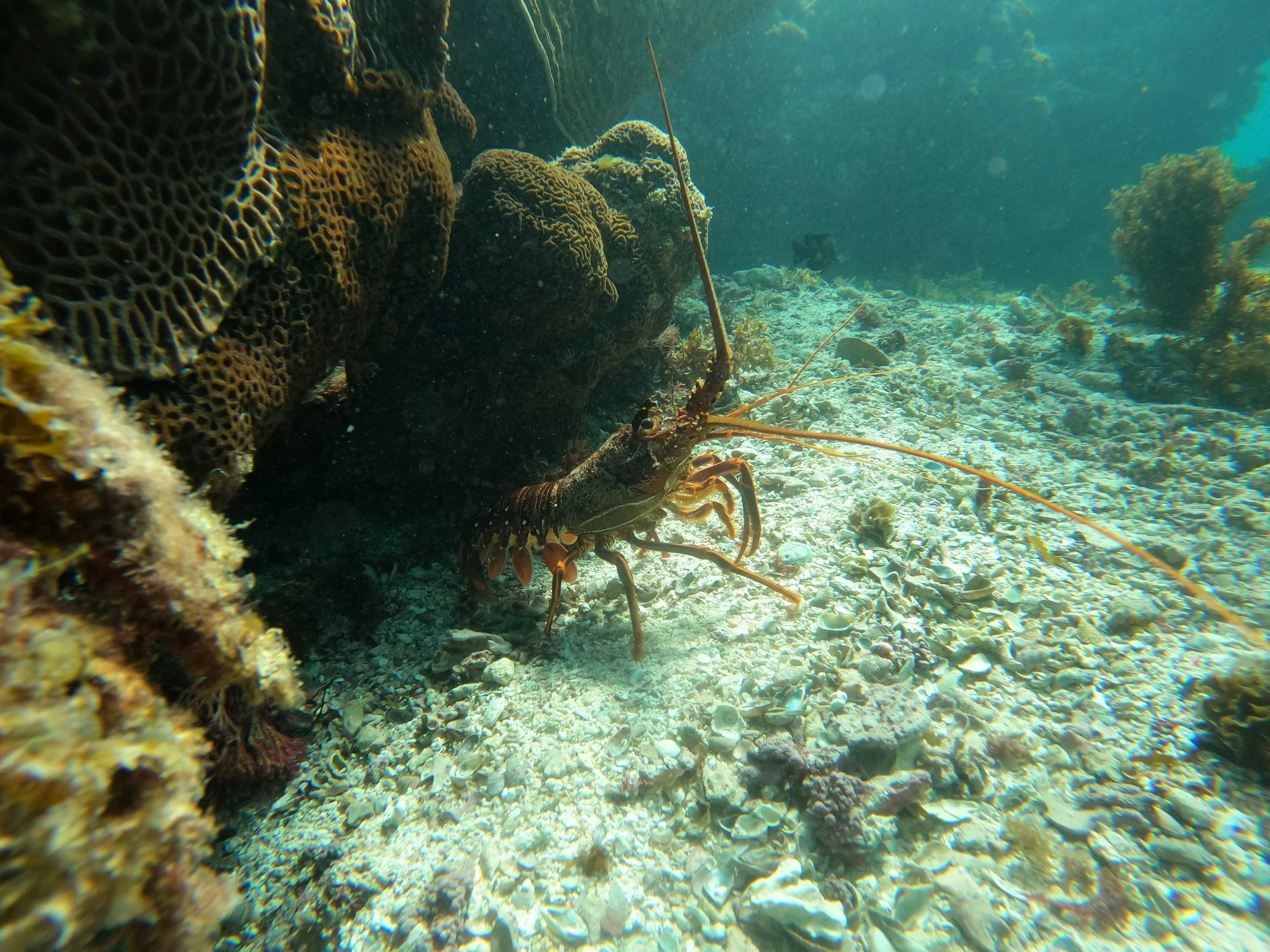
Once settled, juvenile Western Rock Lobsters begin life among shallow limestone reefs, seagrass meadows and rocky habitats where they find shelter from predators and abundant food.
Like all crustaceans, they grow by moulting, shedding their hard outer shell to allow their body to expand. After each moult, the new shell remains soft for a short period before hardening, making young lobsters particularly vulnerable during this stage.
As they grow larger, they gradually move into deeper reef habitats where they continue developing into mature adults.
Growing on the Reef
────
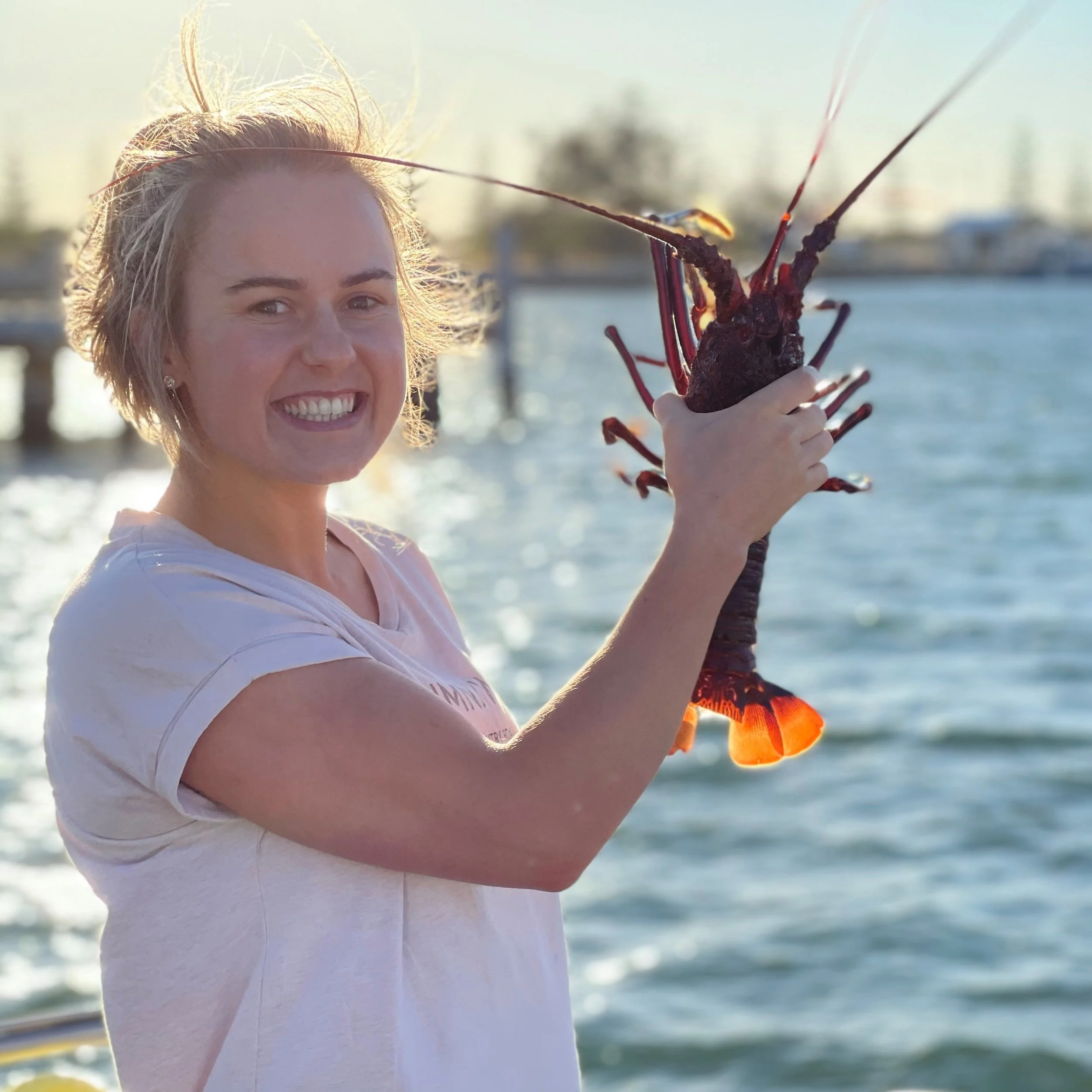
Life Inside the Jurien Bay Marine Park
────
The limestone reef systems of the Jurien Bay Marine Park provide important habitat throughout many stages of the Western Rock Lobster's life. These reefs offer shelter, feeding opportunities and ideal conditions for juvenile lobsters as they mature.
The marine park also supports ongoing scientific research and environmental monitoring. Researchers continue to study lobster recruitment, habitat use and environmental conditions throughout the region, helping improve our understanding of this remarkable species and informing future fisheries management.
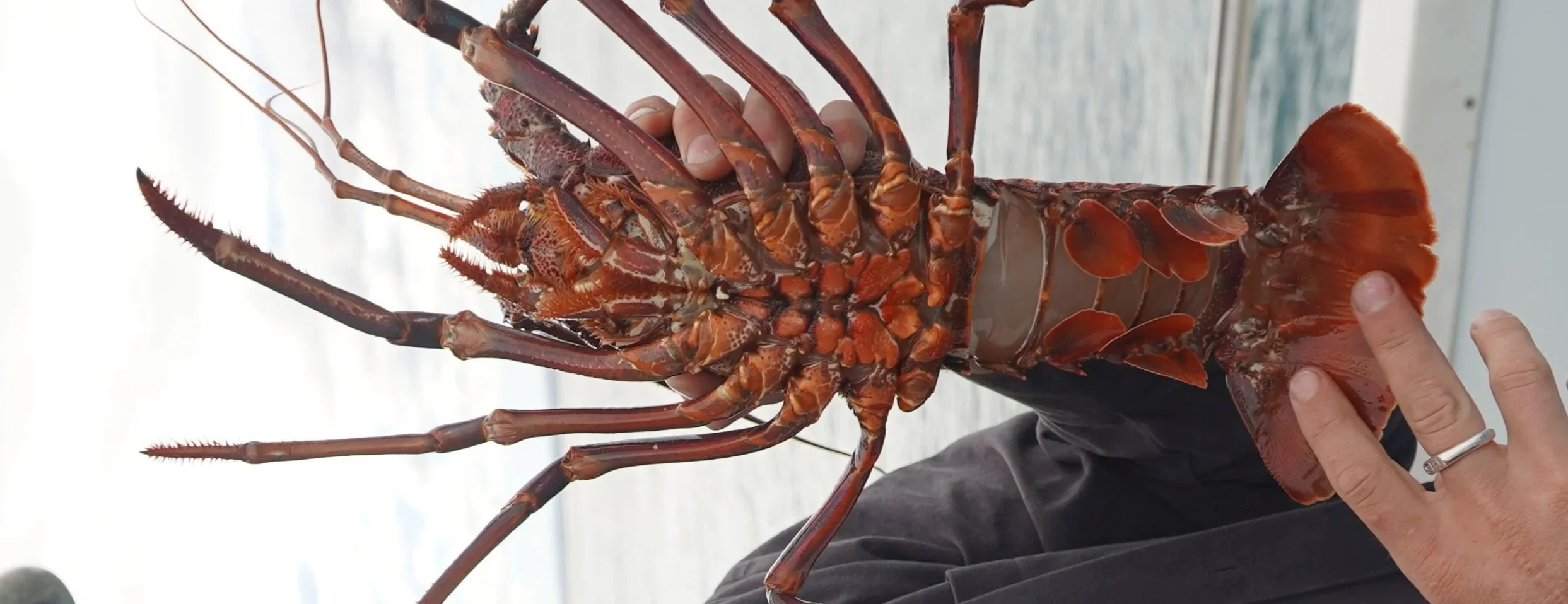
Becoming an Adult
────
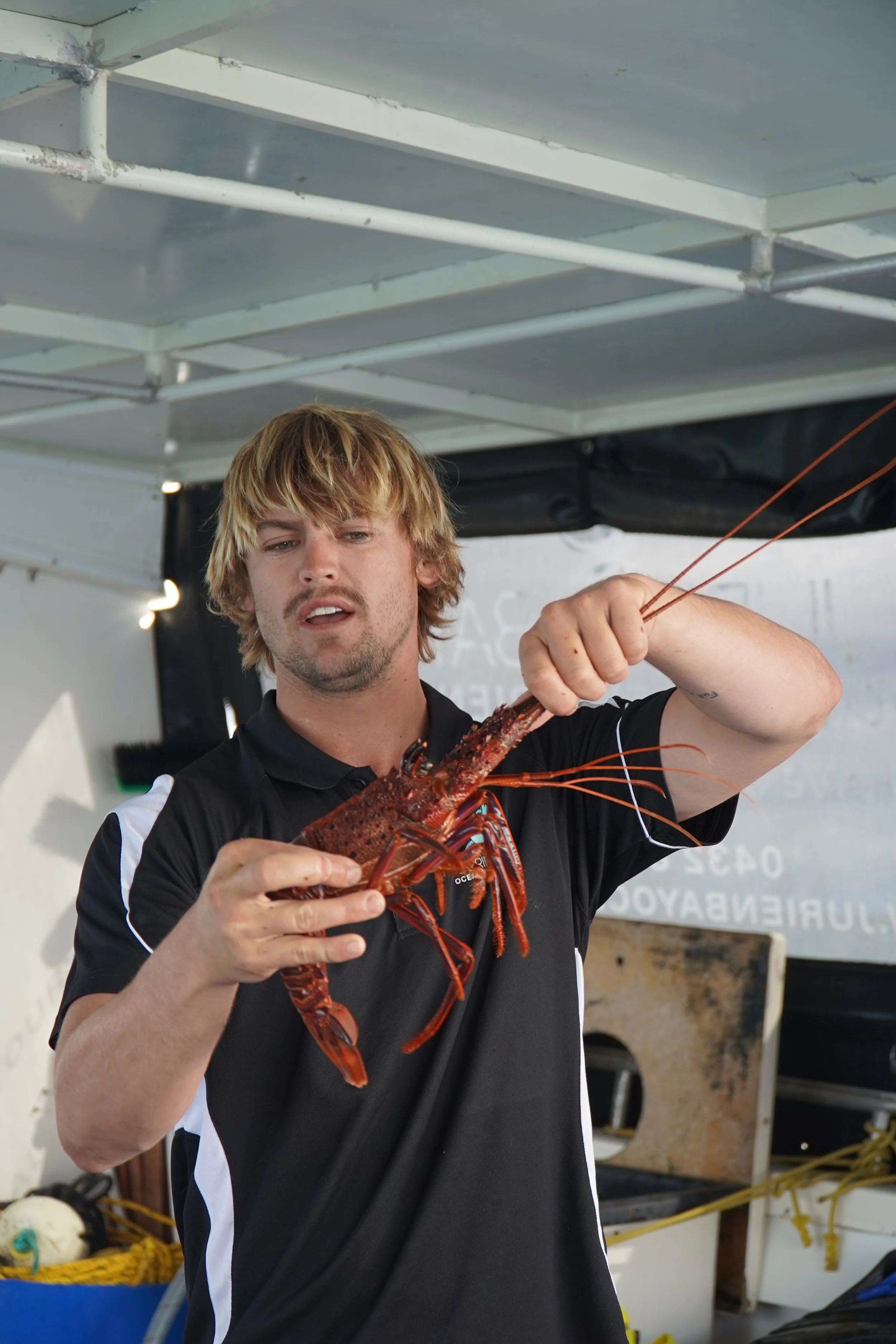
As Western Rock Lobsters mature, they continue to moult, reproduce and migrate between reef habitats throughout their lives. Mature females produce eggs that begin the next generation, while adults remain an important part of Western Australia's coastal ecosystems.
Many Western Rock Lobsters can live for more than twenty years, completing numerous breeding cycles throughout their lifetime. Their long life, combined with careful fisheries management, helps support healthy populations along the Western Australian coastline.
A Life Cycle Worth Protecting
────
Every stage of the Western Rock Lobster life cycle is influenced by the health of Western Australia's marine environment. From drifting larvae carried by ocean currents to adult lobsters living among coastal reefs, each phase depends on healthy ecosystems and responsible management.
Long-term scientific research, habitat protection and sustainable fisheries management help ensure Western Rock Lobsters continue to thrive for future generations.
Want to learn more?
Explore our guide to Western Rock Lobster Sustainability & Fisheries Management to discover how science helps protect one of the world's most respected fisheries.
-
From hatching to reaching maturity, the life cycle of a Western Rock Lobster takes several years. Adults can continue living and reproducing for more than twenty years.
-
A puerulus is the transparent post-larval stage of a Western Rock Lobster. After drifting in the Indian Ocean for many months, puerulus actively swim back towards the Western Australian coastline before settling onto coastal reefs.
-
Western Rock Lobsters grow by moulting. They regularly shed their hard outer shell, allowing their body to expand before the new shell hardens.
-
Young lobsters settle among shallow limestone reefs, rocky habitats and seagrass meadows where they find shelter and food while growing into adults.
-
Puerulus collectors help scientists monitor the number of young lobsters returning to the Western Australian coast each year. The information they provide helps predict future lobster populations and supports sustainable fisheries management.
Frequently Asked Questions
EXPERIENCE THE JOURNEY FOR YOURSELF
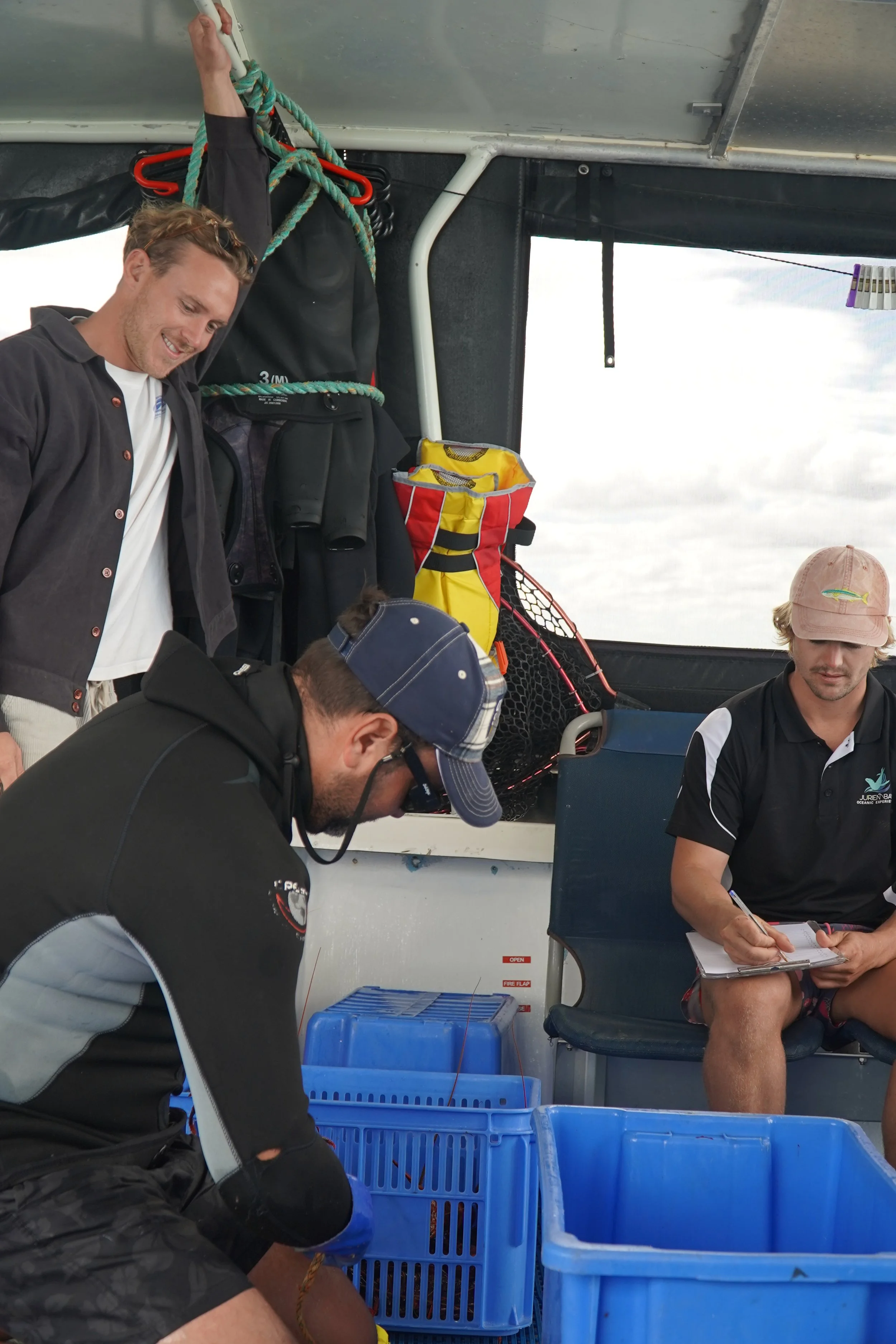
The life cycle of the Western Rock Lobster is one of nature's most remarkable stories—and there's no better place to experience it than the waters of the Jurien Bay Marine Park.
Join our Rock Lobster Catch & Keep Experience to explore the habitats where Western Rock Lobsters live, learn about the science that supports their management and gain firsthand insight into one of the world's most sustainable fisheries. From the reef systems that nurture juvenile lobsters to the people who work to protect this iconic species, you'll leave with a deeper appreciation of Western Australia's incredible marine environment.
Continue Exploring Our Western Rock Lobster Guides
@jurienbayoceanic