Home > Marine Hub > Western Rock Lobster Guides > Jurien Bay Crayfishing
Jurien Bay
Crayfishing
────────────
Discover the rich crayfishing history of Jurien Bay and the industry that helped shape this coastal community. For generations, Western Rock Lobsters have supported local families, built businesses and become part of the town's identity. While the fishery has evolved over time, its legacy continues to be woven into the people, traditions and culture of Jurien Bay today.
Historical images courtesy of Jurien Bay History
Last updated 5 August 2026.
Based on more than six decades of experience lobster fishing in the Jurien Bay Marine Park.
Local knowledge. Real experience. Trusted information.
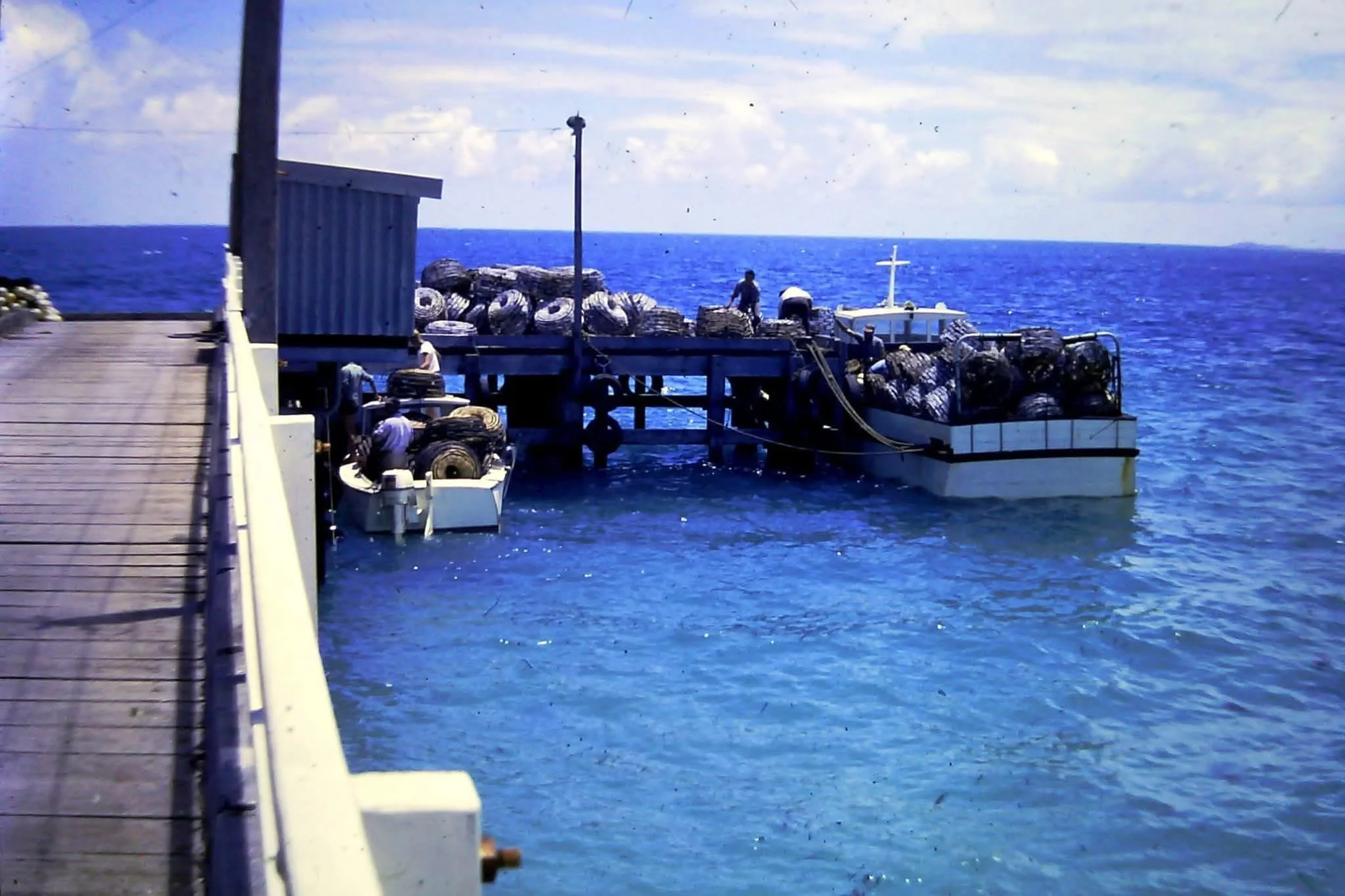
Long before Jurien Bay became known as a popular holiday destination, it was recognised as one of Western Australia's important crayfishing communities. The Western Rock Lobster industry helped shape the town, providing employment, supporting local businesses and attracting families who built their lives around the ocean.
For decades, commercial fishing was the heartbeat of the community. Boats left before sunrise, catches returned to shore each day and much of the town's activity revolved around the fishing season. The success of the industry helped create the Jurien Bay that locals and visitors know today.
Like many coastal towns along Western Australia's Coral Coast, Jurien Bay's history cannot be told without recognising the generations of crayfishing families who helped build it.
The Industry That Built the Town
────

For many local families, crayfishing wasn't simply a profession—it was a way of life.
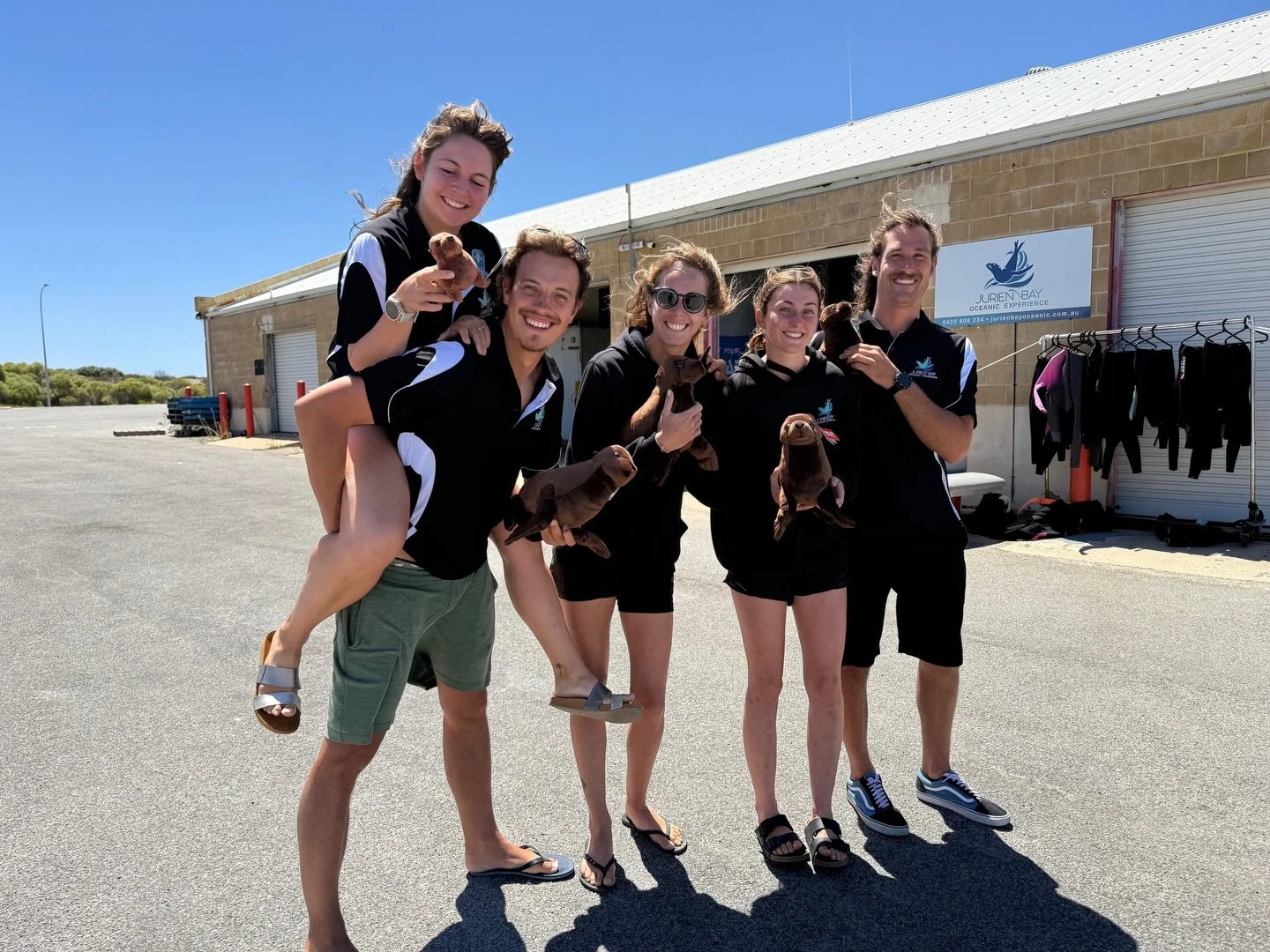
At Jurien Bay Oceanic Experience, both Peter and Steve spent years working as commercial crayfishermen out of Jurien Bay. Their knowledge of the local waters was built through years on the ocean, learning the rhythms of the fishing season and developing a deep respect for the Western Rock Lobster fishery.
Like many children growing up in Jurien Bay, we grew up as "crayfishing kids." Life revolved around the boats, the harbour and the fishing season. The stories, friendships and traditions that surrounded the industry became part of everyday life and continue to shape who we are today.
That firsthand experience is something we're proud to share with visitors, offering a genuine insight into the people and history behind Jurien Bay's lobster industry.
Growing Up As Crayfishing Kids
────
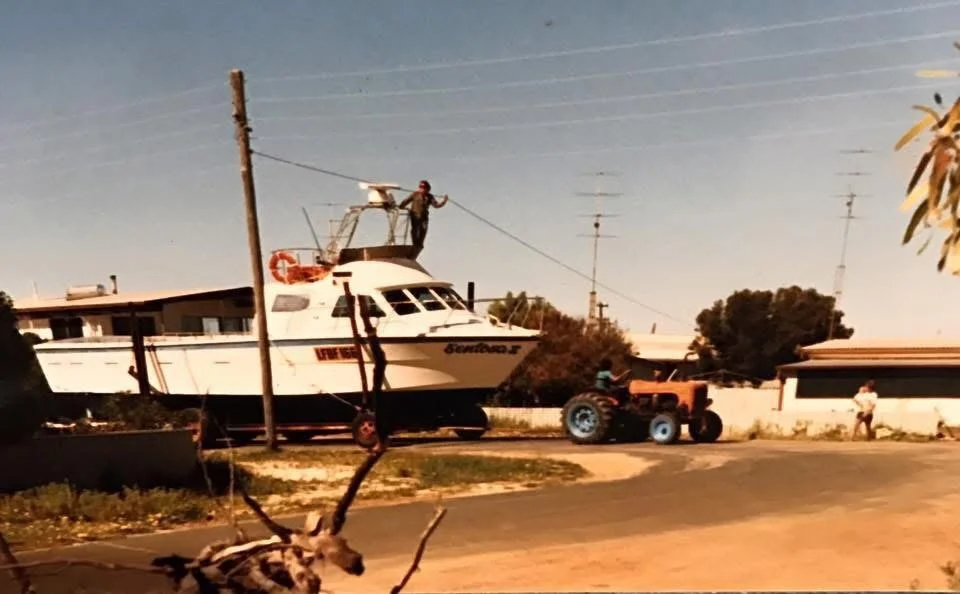
For many years, the commercial crayfishing season traditionally finished on 30 June, marking the end of months spent working on the water.
The final day of the season was always something special. Boats returned to harbour, crews celebrated another successful year and the entire community shared in the excitement. For local crayfishing families, it was a chance to reflect on the season, spend time together and enjoy the brief break before preparations began all over again.
Although fisheries management has changed over time, many locals still remember the end of the traditional season as one of the highlights of the year.
The End of The Season
────
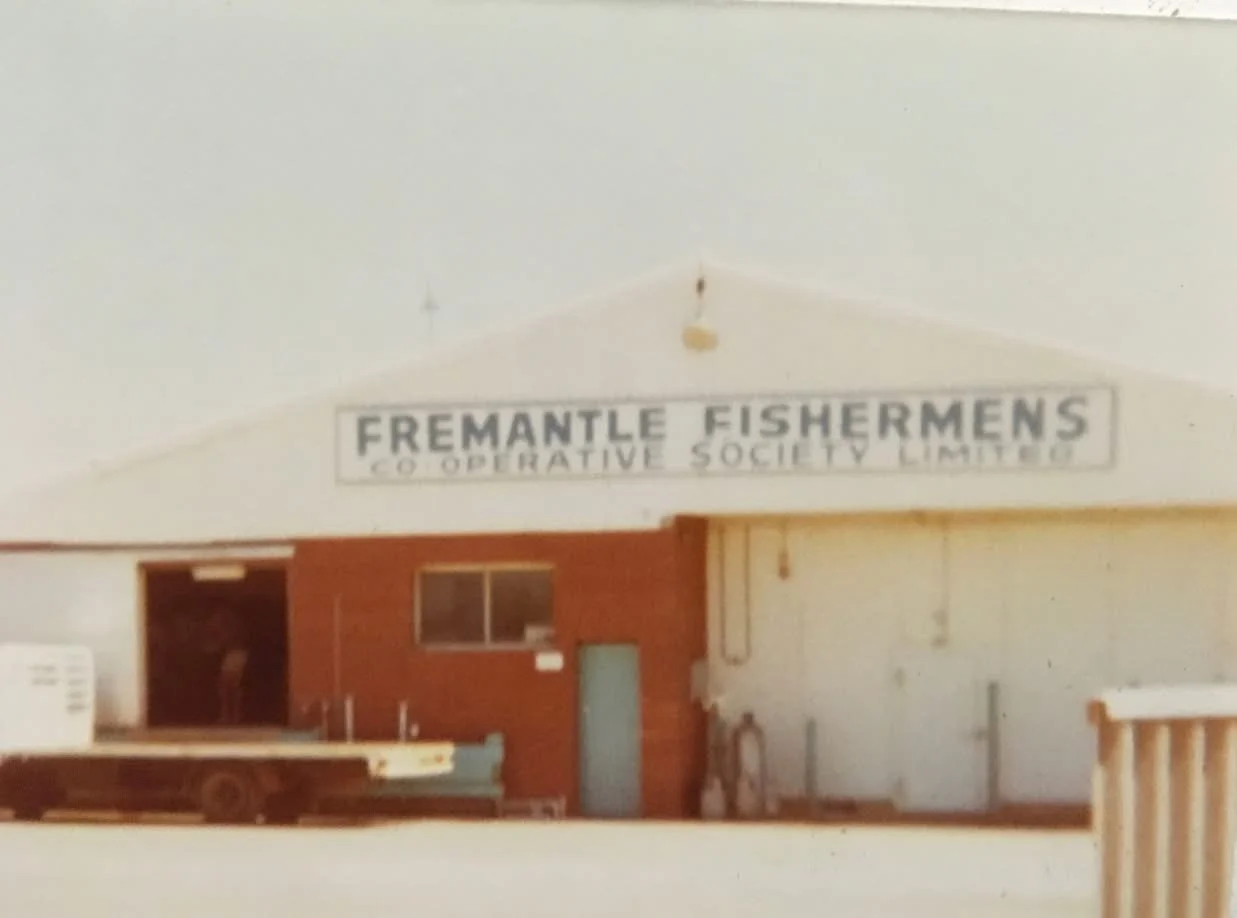
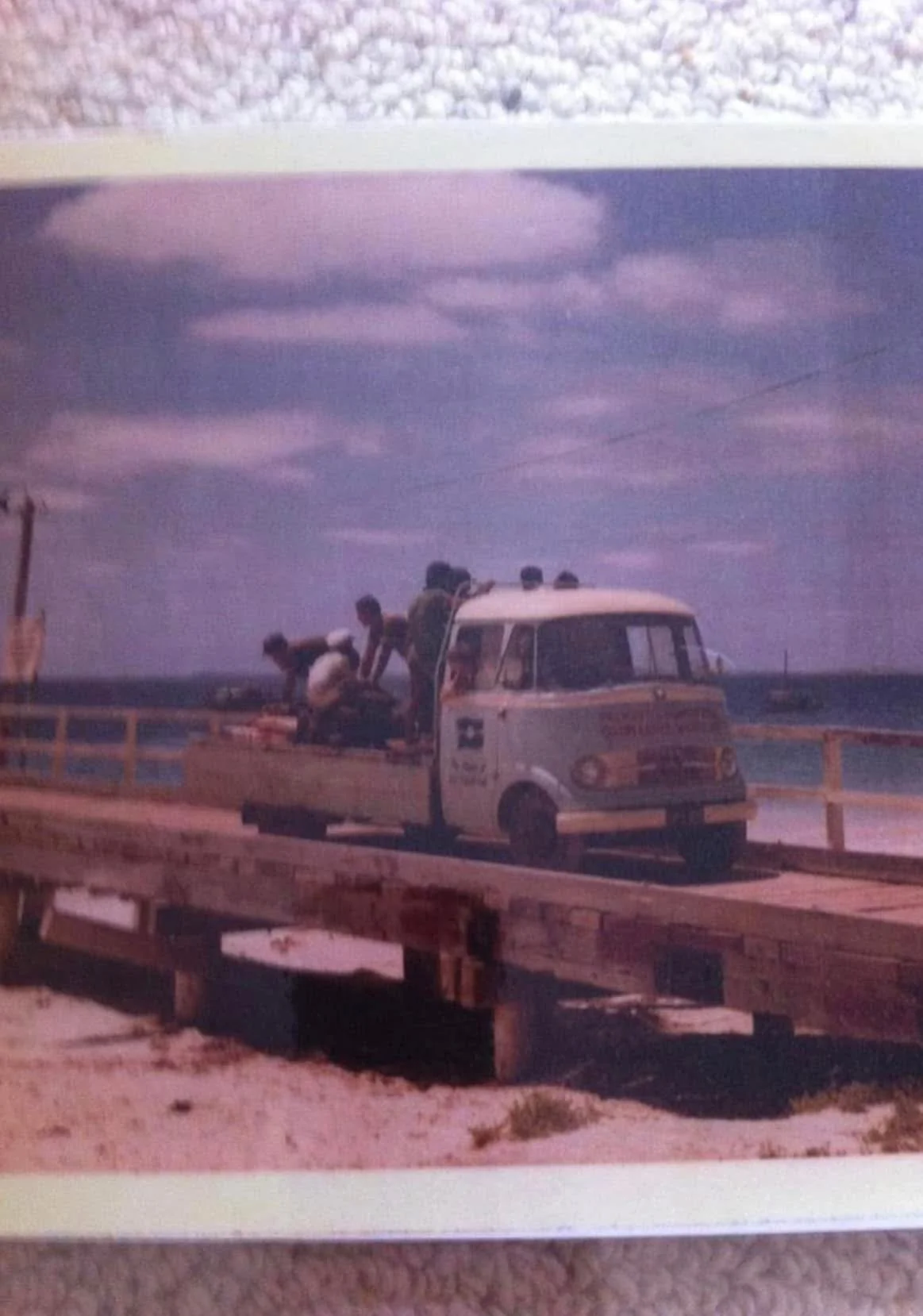
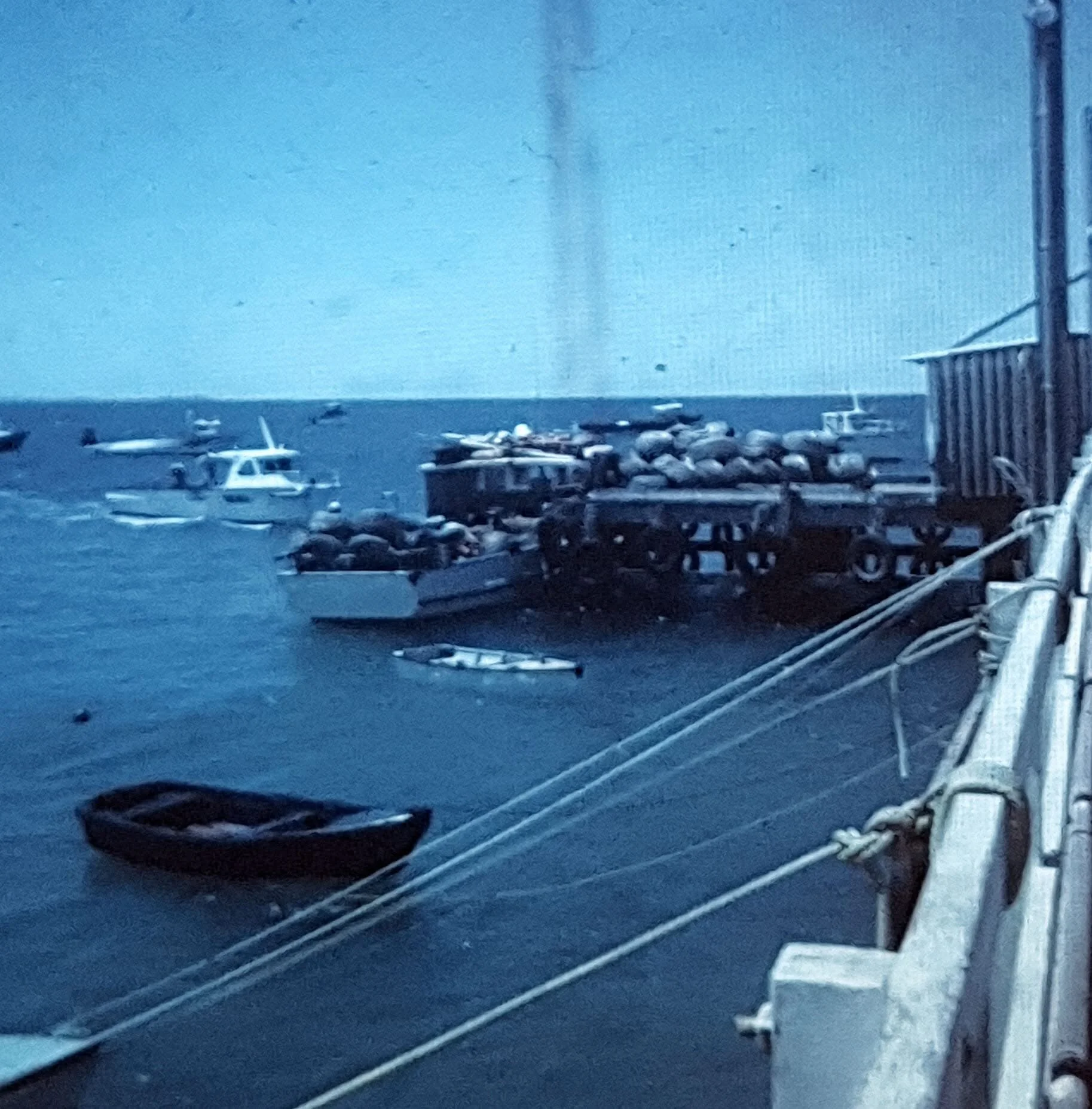
Before the Jurien Bay Marina was constructed, the town's original wooden jetty played a vital role in the crayfishing industry.
Commercial fishing vessels used the jetty to unload their catches, which were then transported to the local crayfishing factory for processing before making their way to markets around Australia and overseas. The jetty was more than a piece of infrastructure—it was the centre of daily life for the fishing community and an important meeting place for locals.
Although the marina has transformed the way the industry operates today, the old jetty remains an important reminder of Jurien Bay's maritime history and the generations of people who built their lives around the Western Rock Lobster fishery.
The Old Jetty & Crayfish Factory
────
The Annual ‘Blessing of the Fleet’
────
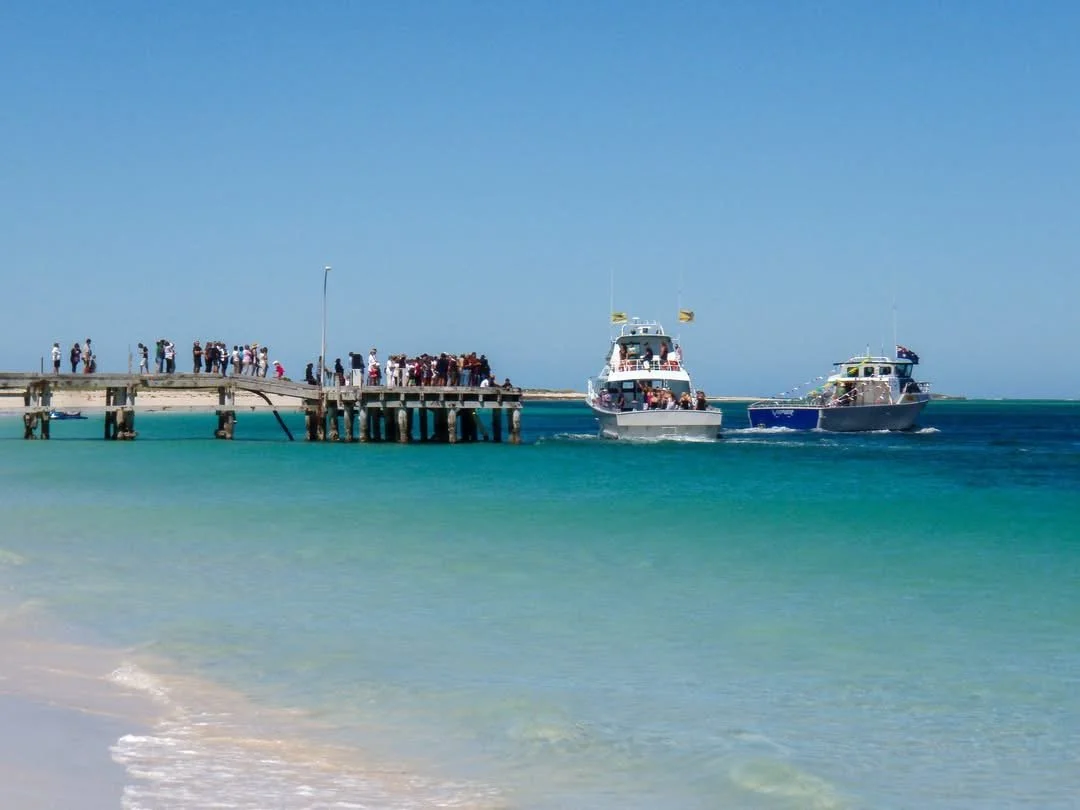
For many years, the Blessing of the Fleet has marked the beginning of the Western Rock Lobster fishing season in Jurien Bay. Held each November before the opening of the commercial season, it remains one of the town's most anticipated community events, bringing together commercial fishers, local families and visitors to celebrate the start of another season on the water.
One of the most colourful traditions is the way the commercial fishing vessels are decorated around a different theme each year. Crews spend days transforming their boats before joining a procession through the marina, creating a spectacular display that has become part of Jurien Bay's identity.
As the fleet passes the town jetty, families and community members gather along the foreshore and aboard the vessels while a local priest blesses each boat, praying for the safety of those heading to sea and for a prosperous fishing season ahead.
For generations of crayfishing families, the Blessing of the Fleet has been much more than a ceremony. It marks the beginning of another season, celebrates the community's connection to the ocean and honours the traditions that continue to shape Jurien Bay today.
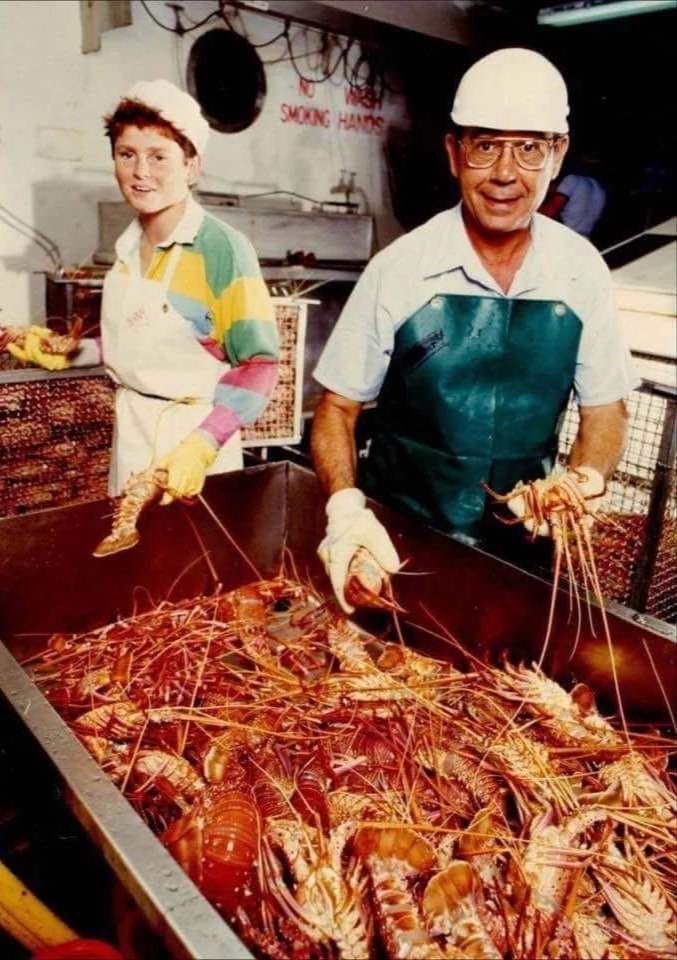
The Western Rock Lobster fishery continues to play an important role in Jurien Bay, although the industry looks very different today.
What was once dozens of commercial fishing vessels operating from Jurien Bay has gradually become just a handful that continue to fish from the town. While the fleet may be smaller, the pride, knowledge and traditions built by generations of crayfishing families remain just as strong.
Today, Jurien Bay Oceanic Experience is proud to help preserve and share that heritage. Through our Rock Lobster Catch & Keep Experience, visitors have the opportunity to learn about the history of the fishery, experience life on the water and gain a deeper appreciation for the people, traditions and sustainable practices that continue to define Jurien Bay's maritime identity.
A Heritage That Lives On
────
Frequently Asked Questions
-
In Western Australia, the terms crayfish, cray and Western Rock Lobster are commonly used to describe the same species, Panulirus cygnus. While "crayfish" refers to freshwater species in many parts of the world, in Western Australia it has long been the traditional name for Western Rock Lobsters.
-
Yes. Commercial crayfishing continues to be an important part of Jurien Bay's identity and local economy. Although the fleet is much smaller than it once was, the Western Rock Lobster industry remains a significant contributor to the community and continues to operate under one of the world's most sustainable fisheries management systems.
-
A quota system allocates licensed commercial fishers a share of the Total Allowable Commercial Catch (TACC) each year. This approach helps ensure the total commercial harvest remains within sustainable limits while allowing fishing activity to be spread more evenly throughout the year.
-
Yes. Our Rock Lobster Catch & Keep Experience gives visitors the opportunity to head out on the water, haul commercial lobster pots and learn about the history, traditions and sustainable practices that have shaped Jurien Bay for generations.
EXPERIENCE JURIEN BAY’S CRAYFISHING HERITAGE
Crayfishing has shaped Jurien Bay for generations, and today we're proud to share that story with visitors from around the world.
Join our Rock Lobster Catch & Keep Experience to experience life on the water, learn from local crayfishing families and discover the traditions, history and sustainable practices that continue to define one of Western Australia's most iconic coastal communities.
Continue Exploring Our Western Rock Lobster Guides
@jurienbayoceanic