Home > Marine Hub > Australian Sea Lion Guides > Reproductive Biology
Discover how Australian sea lions breed, why their pups face a challenging start to life, and how we can help protect them through respectful encounters.
By Katharina Fannei - Marine Biologist
Reproductive Biology of
Australian Sea Lions
Last Updated 29 September 2026
Based on thousands of guided sea lion encounters in the Jurien Bay Marine Park.
Local knowledge. Real experience. Trusted information.
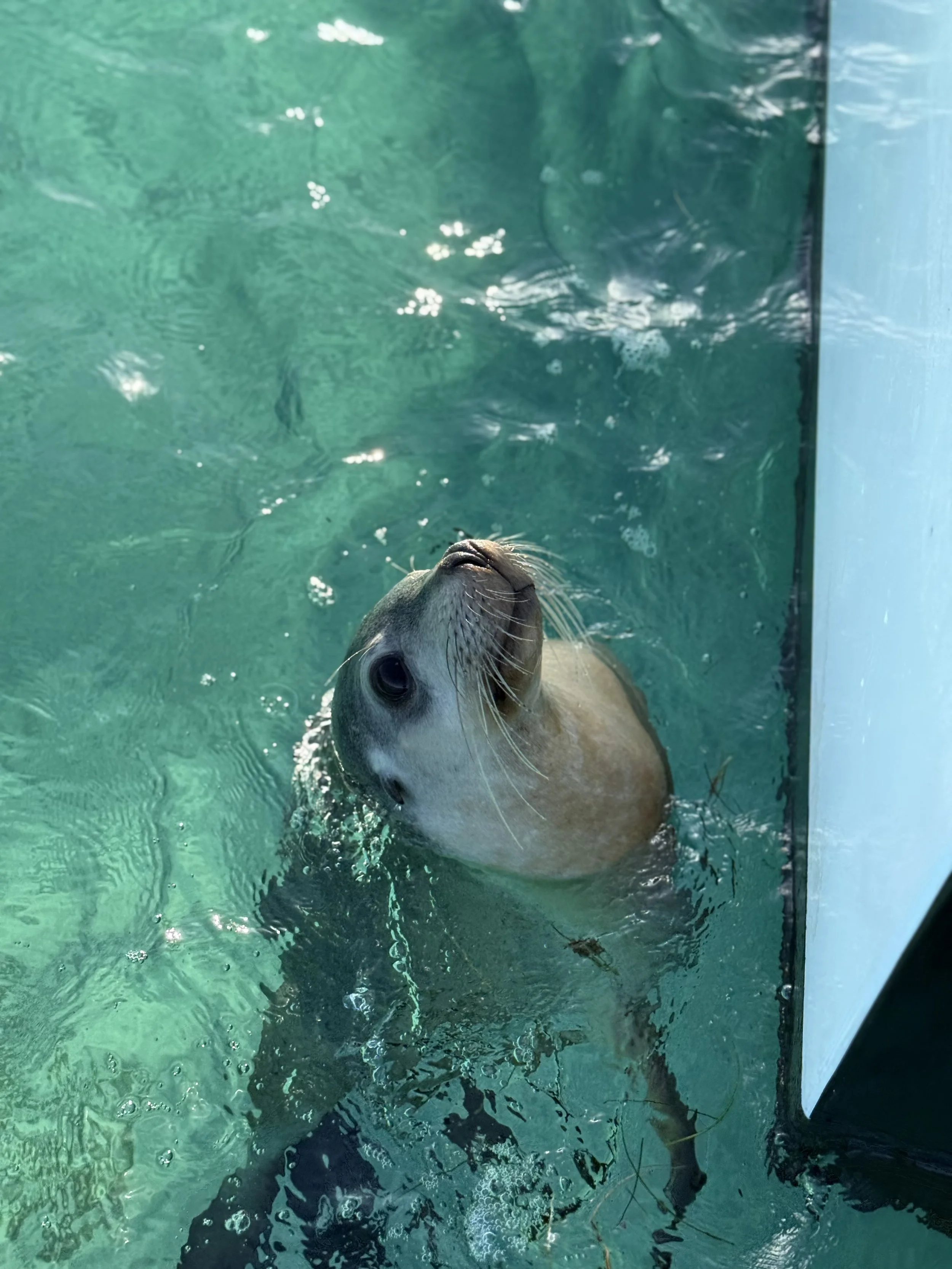
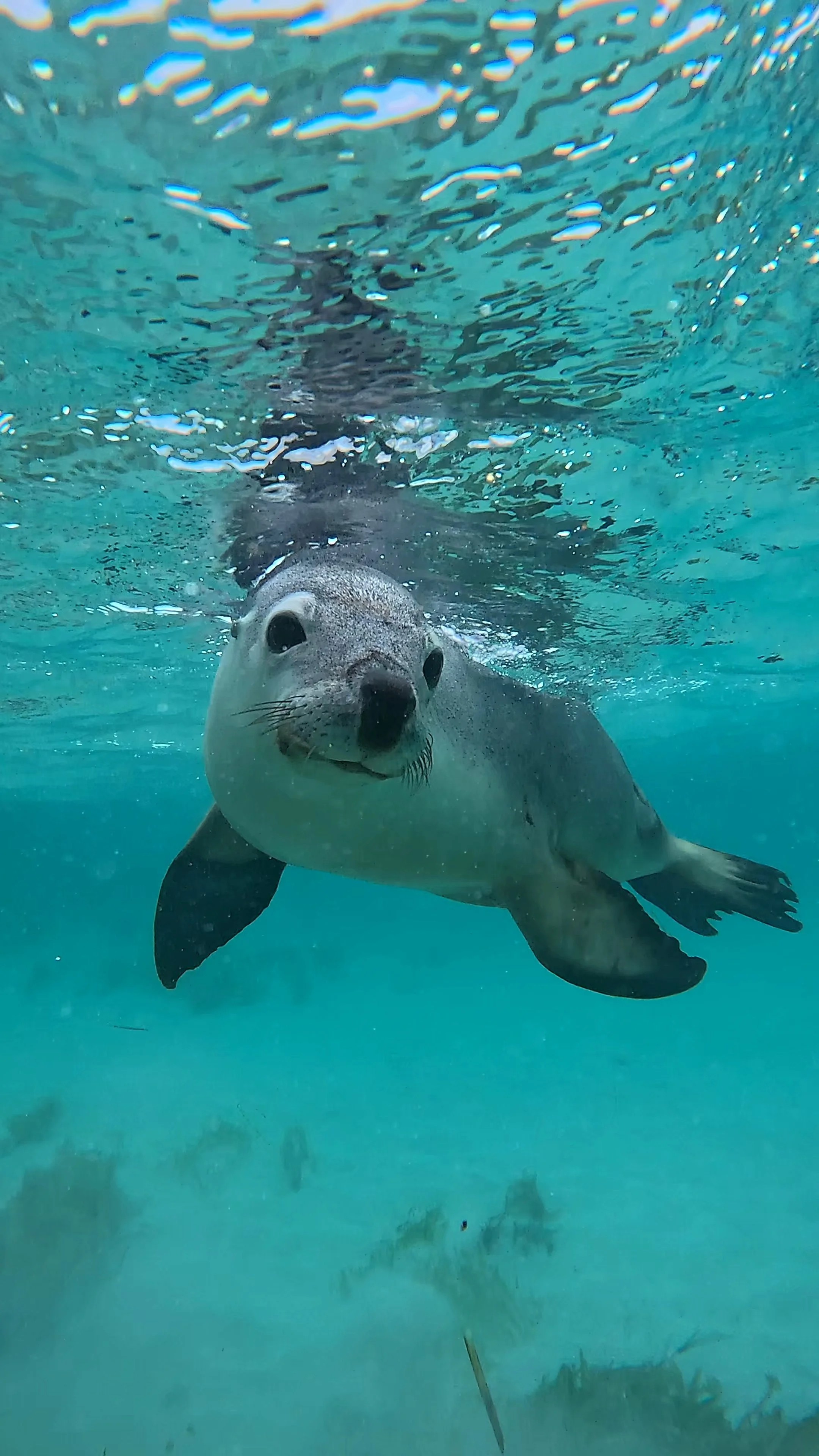
The breeding of Australian sea lions is a very slow and somewhat inefficient process. It is one of the main reasons these animals remain endangered to this day, even though we stopped hunting them in the 1920s. It’s also why it’s so important to appreciate these animals respectfully and help their populations grow as healthily and quickly as they can!
Australian sea lion females have the second-longest gestation period of all mammals, averaging 17.6 months (that’s one and a half years!). It’s even longer than the usual 11–12 months for most other seal and sea lion species. That’s how long it takes them just to produce one pup at a time! They don’t have a litter like a dog.
You’d think the females deserve a rest after such a long pregnancy—but no! They have only a short period, about 7–10 days right after giving birth, in which they are fertile again. So, they immediately go into the next round while nursing their current pup throughout its 15–18-month weaning period. If a female misses her opportunity, she’ll have to wait a whole breeding cycle—17.6 months—until she’s fertile again.
Now imagine being the bull, having to hunt for the right moment when the female is fertile. Opportunities are very limited for the boys, so they must compete with each other for a front-row seat. During breeding season, it’s usual to see only one big bull occupying the island. He is the owner of the land and the females for the time he is there—this is called a “harem.”
Should another bull try to take over his territory, he will do his best to defend it. And you can trust our word: these fights can be quite a spectacle to watch sometimes (imagine a 350 kg animal getting airborne!). Usually, the largest and strongest bull wins and gets to stay. The loser may try his luck on other nearby islands and eventually return to his bachelor pad down south on Carnac Island, just off Perth.
The winner returns to his females, but his work is far from over. Bulls do something we call “mate-guarding”: they literally shadow their females and make sure they stay at or near the island, often for several days (or even weeks, as we’re getting hints from our ID-matching work!). During that time, they take every opportunity to socialise with and court the females whenever they’re up and active.
Now… imagine being the pup in this situation. About the size of a football (6.4–7.9 kg and 62–68 cm long), the pup is very dependent on Mum. It feeds on Mum’s milk, and its special baby fur makes it quite buoyant. So even if it tried to escape, it wouldn’t be able to go very far.
Also, have you ever seen a Mum and pup sea lion together on the beach? They cuddle 24/7, especially during the first 7–10 days, but even beyond! An incoming male on an urgent mission is probably the closest comparison to a bull-in-a-china-shop in this scenario. Unfortunately, they don’t put much effort into checking what might be fragile around the female. So, they often sit down on the pups with all their massive weight.
After a pup has cooked in Mum’s belly for 1.5 years (!), its chance of survival can be as low as 30% (depending on the sea lion colony and environmental conditions), with trauma caused by other sea lions (mostly bulls) potentially contributing to 41% of pup deaths.
You can see how challenging a sea lion’s life can be and how slow their reproduction is, naturally. Next time you see an Australian sea lion, keep this information in mind. You’ll appreciate the sighting even more, even if it’s just from far away!
Reproductive Biology of
Australian Sea Lions
What Can We Do to Help Them Breed More Efficiently?
Our behaviour can influence Australian sea lions in several ways, often without us seeing the effects right away. These animals don’t breed seasonally, so mating and pupping can potentially happen at any time of the year, and different breeding colonies can be on different schedules.
Most adult females are likely pregnant and nursing full-time, so they spend a lot of energy maintaining not only themselves but up to two other individuals at the same time. Whenever we meet an Australian sea lion, we have to consider that whatever we do may have an influence on what happens during its reproduction. Here are some things we think are important for you to know.
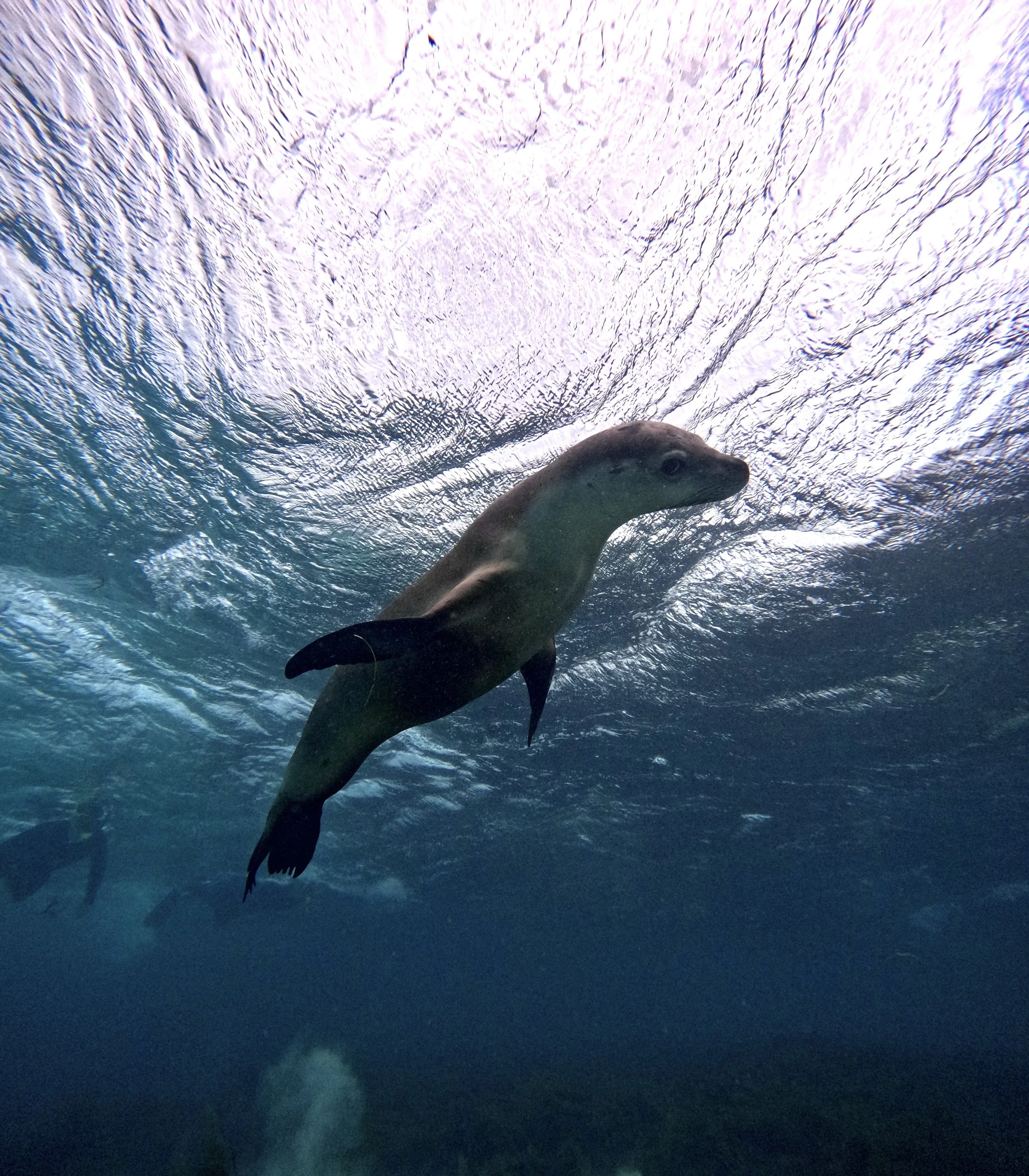
1. Keep Your Distance!
Since females are in a constant state of reproduction—being pregnant and weaning their most recent pup at the same time—increased levels of stress hormones can affect their reproductive success.
There’s one specific quirk about the gestation of Australian sea lion females that not many people know: after fertilisation, the development of the embryo is paused for about 3–4 months before it gets implanted. This is called “embryonic diapause”. It allows the female to mate right after giving birth while giving her body more time to recover and prepare for the next pregnancy.
If the female is exposed to repeated or long periods of disturbance (which might include a person trying to get a selfie with her while she’s sleeping on the beach, or a boat zooming closely past an island or an individual at high speed), her stress hormones can affect her health. This can possibly lengthen her embryonic diapause and, in the worst case, might even lead her to lose the pup.
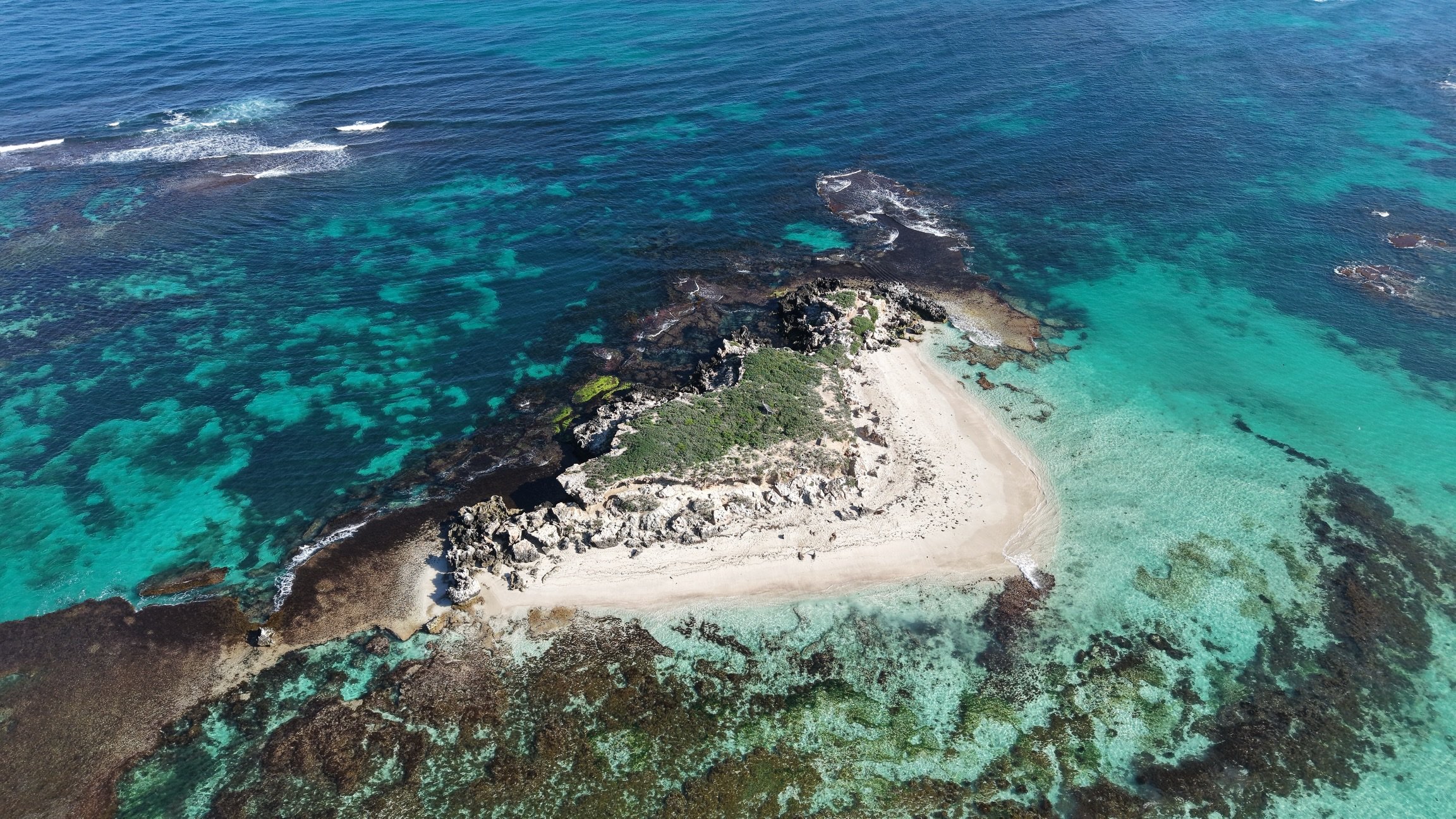
That’s why it’s so important to keep the prescribed distance from sea lions (50 m) and their islands (100 m), and to never access any Australian sea lion haul-out or breeding island. Think of those islands as their bedroom—it’s the last place you would expect or want an intruder to appear!
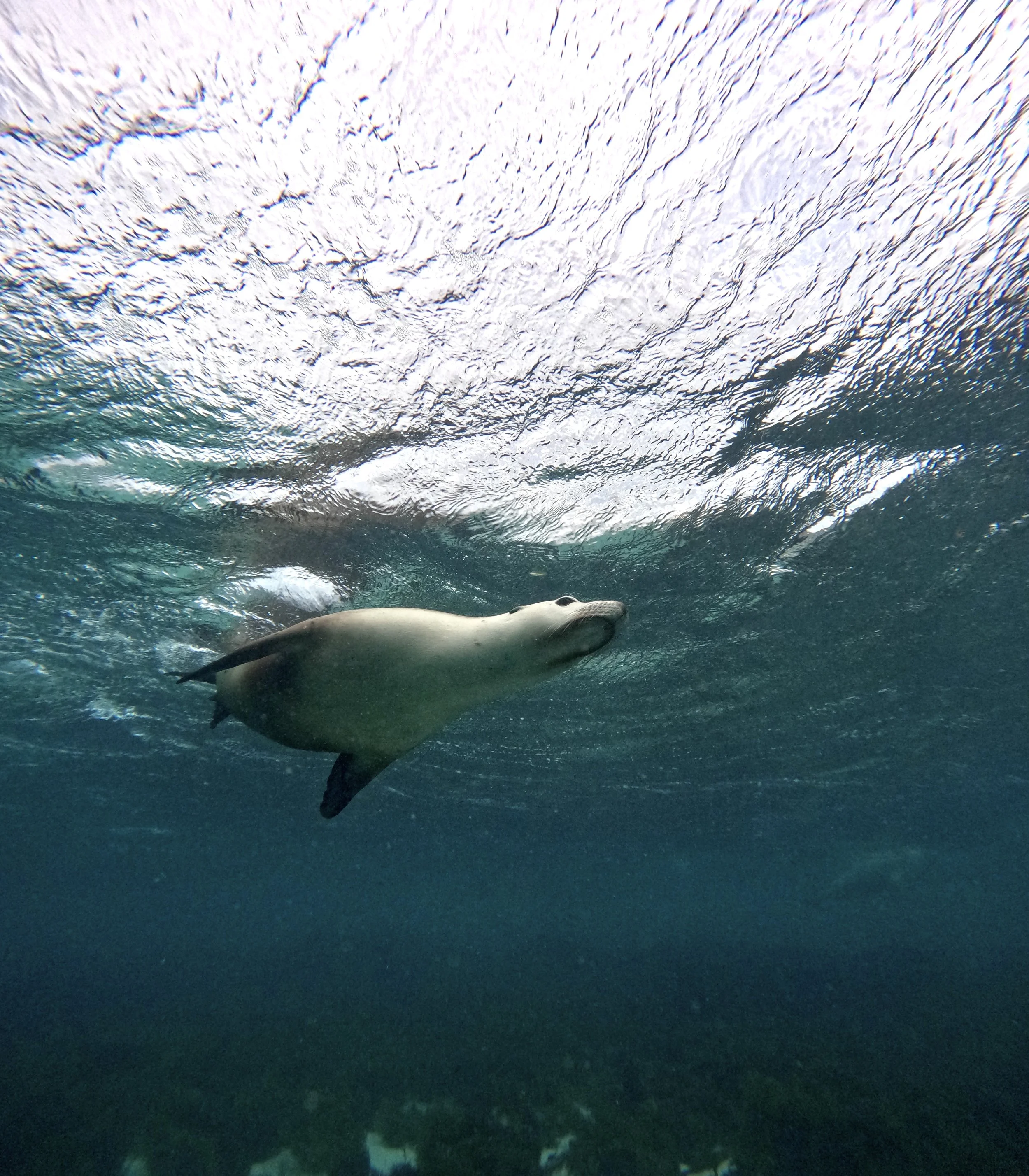
2. Stay Away from Breeding Islands
Australian sea lion females are known for their “natal site fidelity” to their own breeding island. This is a fancy term describing how the island where a female was born is also the island where she will give birth to her own pups throughout her life. The bond to this island is carried on over generations, so every breeding island represents its own breeding colony.
If sea lions are disturbed on their breeding island, perhaps several times, some females might decide that it’s no longer a safe place to give birth and nurse their pups. They may have to find another home, which could be difficult and might mean skipping a breeding cycle. A high level of disturbance could potentially change the fate of a whole population.
That’s why it’s so important to always keep the required distance (100 m) from their breeding islands and never attempt to interact with them when nearby.
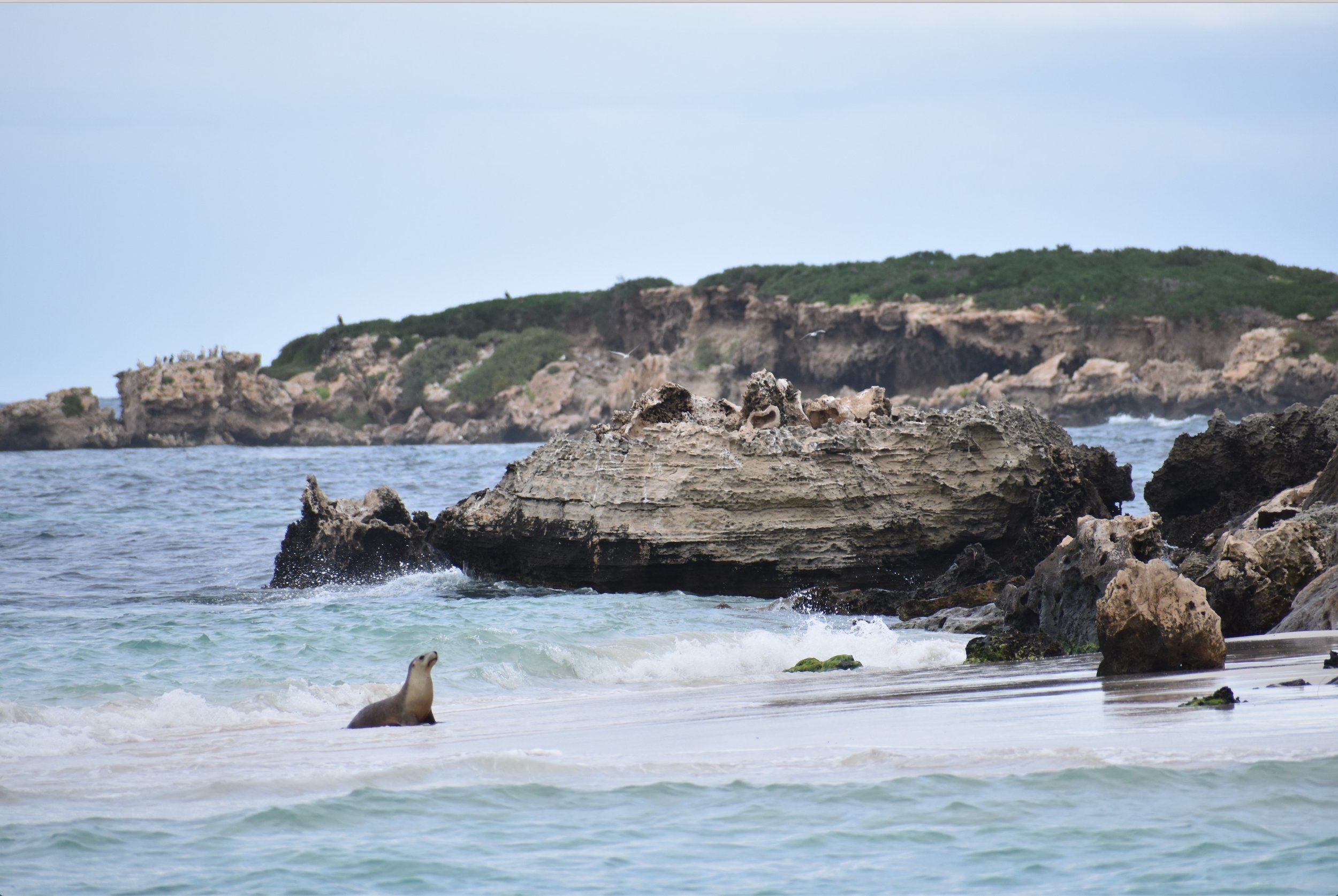
3. Don’t Attempt to Attract Sea Lions (on land or in the water)
Everyone should know by now that it’s never a good idea to feed wild animals. The food we choose might not be good for their health, and if they get used to being fed, they might forget how to hunt and become aggressive. So please, never try to attract Australian sea lions with food!
But even when there’s no food involved, Australian sea lions are very inquisitive and curious creatures. If they sense something unusual that doesn’t seem very threatening, they’re likely to explore it. This might include someone splashing on the surface or making noise underwater.
While the person might enjoy a close and curious encounter with a sea lion, they may have taken it away from activities that were important for its reproduction. Imagine, for example, that the sea lion was a female who left her nursing pup behind on the beach. Or the attraction interrupted a mating session, potentially taking away an opportunity for the female to fall pregnant during her short fertility period—and making the bull not very happy.
When you think about it, this can slow the growth of a population relatively quickly if it happens too often. That’s why it’s so important to let our interactions with them happen completely on their terms. They have to be able to choose if and when they want to come near us, and how much time they want to spend with us. If they’re not in the mood or are too busy doing their own thing, we just have to respect that.
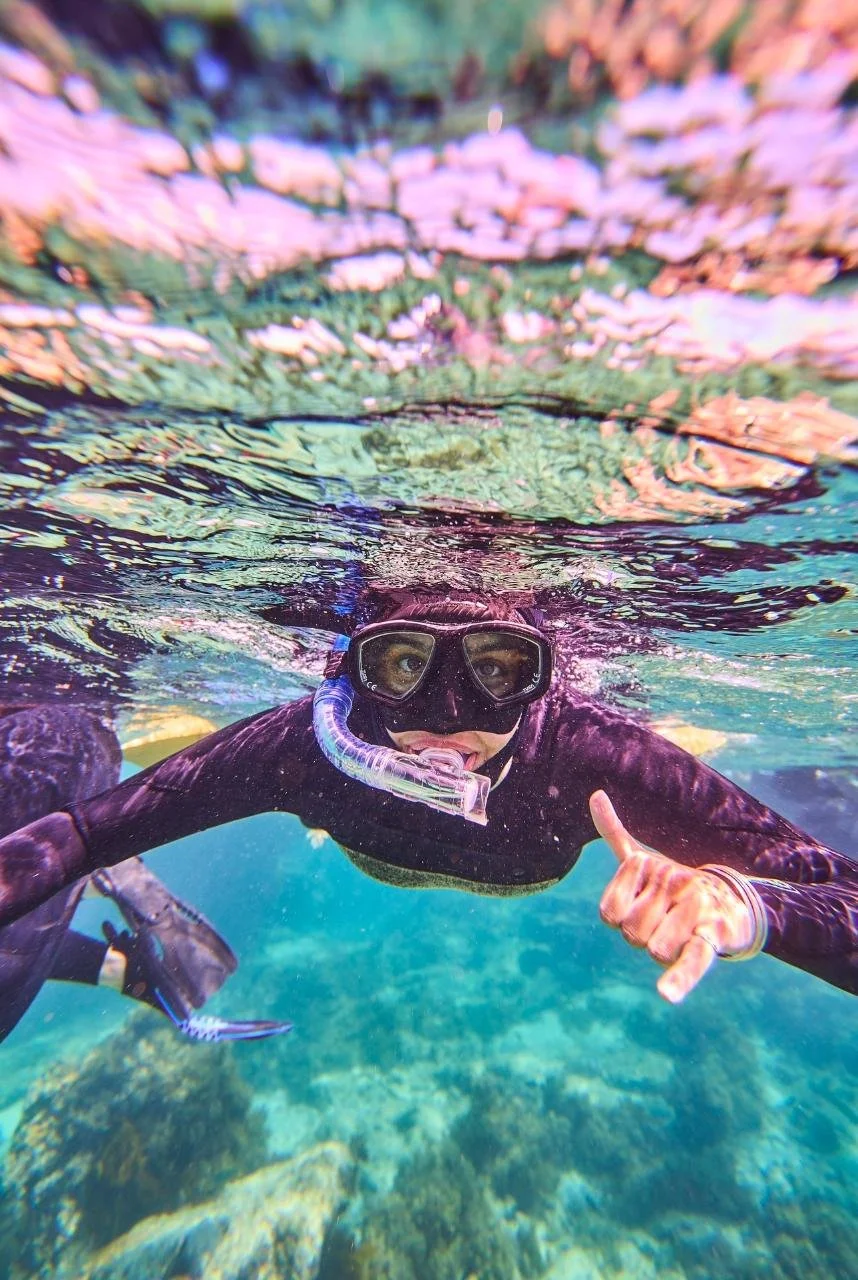
4. Book Our Tour!
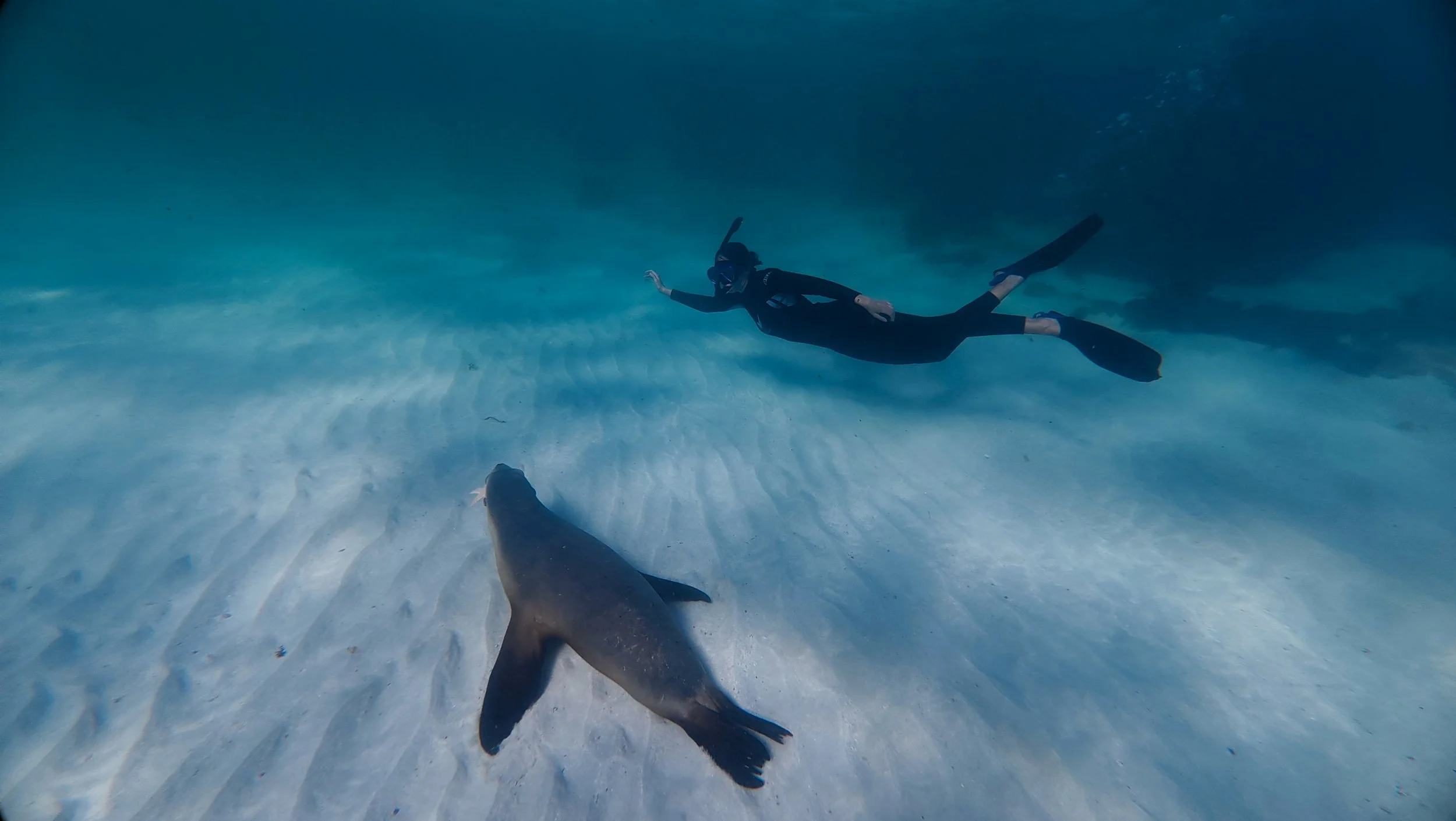
Our interaction tours offer you the opportunity to appreciate these animals up close, within a framework of guidelines that allows these beautiful creatures to have enough space and time to themselves outside our operating areas and times.
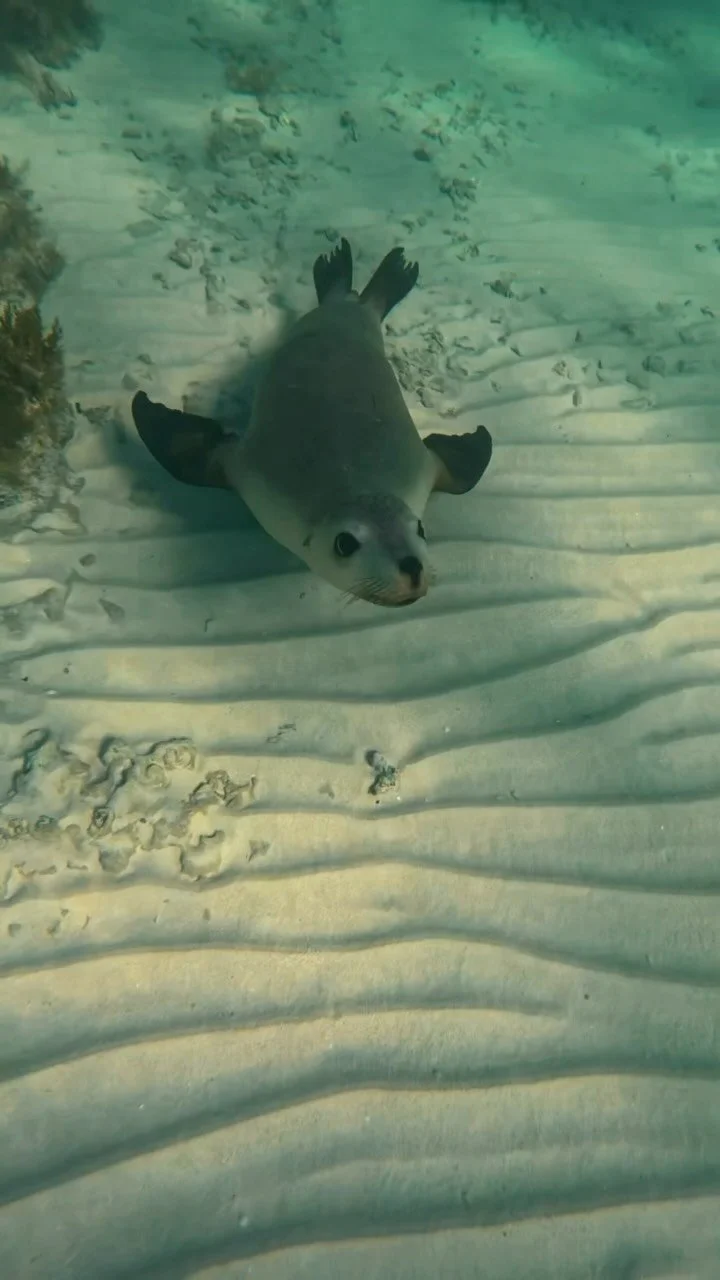
During our interactions, the sea lions can move freely and decide for themselves if—and for how long—they want to hang out with us. Sometimes they want to actively play with us; other times, they put on a show, dancing with each other right in front of us. But some days, they don’t feel like coming out and would rather stay cuddling with the others on the beach—and that’s fine too!
Even then, we often get to witness some very dramatic, incredibly cute, or absolutely hilarious situations between the sea lions on the beach. But most days they do come out to us, which makes it even more special knowing it’s their decision to do so!
-
There are only two potential documented cases of twins in Australian sea lions. In 1986, two early aborted foetuses were found in a female’s uterus. More recently, in 2020, a female was observed nursing two pups. However, the twins could not be genetically confirmed, and one of them sadly didn’t survive. So, the answer is probably no: the species cannot support twins.
-
Let’s assume a female never skips breeding and has optimal conditions throughout her life. Given that Australian sea lion females become sexually mature at age 4–6, don’t go into menopause, and have a life expectancy of 20–25 years, she would be able to give birth to just about 10 pups over her lifetime. Some dogs can easily do that in one litter—isn’t that crazy?!
-
No! The breeding islands are strictly excluded from our interaction tours. We don’t want to risk disturbing newborn pups or pregnant and nursing females. However, we sometimes visit one breeding island during our Marine Park Tour, where we observe them through binoculars from our vessel, staying the required distance away. The pups are so cute!!
Frequently Asked Questions

Katharina Fannei
Marine Biologist
Continue Exploring Our Australian Sea Lion Guides
EXPERIENCE AUSTRALIAN SEA LIONS RESPONSIBLY
Seeing an Australian sea lion in the wild is a privilege. By joining a responsible wildlife tour, you'll not only experience one of Australia's rarest marine mammals up close but also support education and conservation that helps protect the species for future generations.
@jurienbayoceanic