Home > Marine Hub > Australian Sea Lion Guides > Conservation
Why are Australian
Sea Lions Endangered?
Learn why Australian sea lions are one of the world's rarest marine mammals, the challenges they face today and how conservation efforts are helping protect future generations.
Last Updated 10 August 2026
Based on thousands of guided sea lion encounters in the Jurien Bay Marine Park.
Local knowledge. Real experience. Trusted information.
Australian Sea Lions Are One of the World's Rarest Marine Mammals
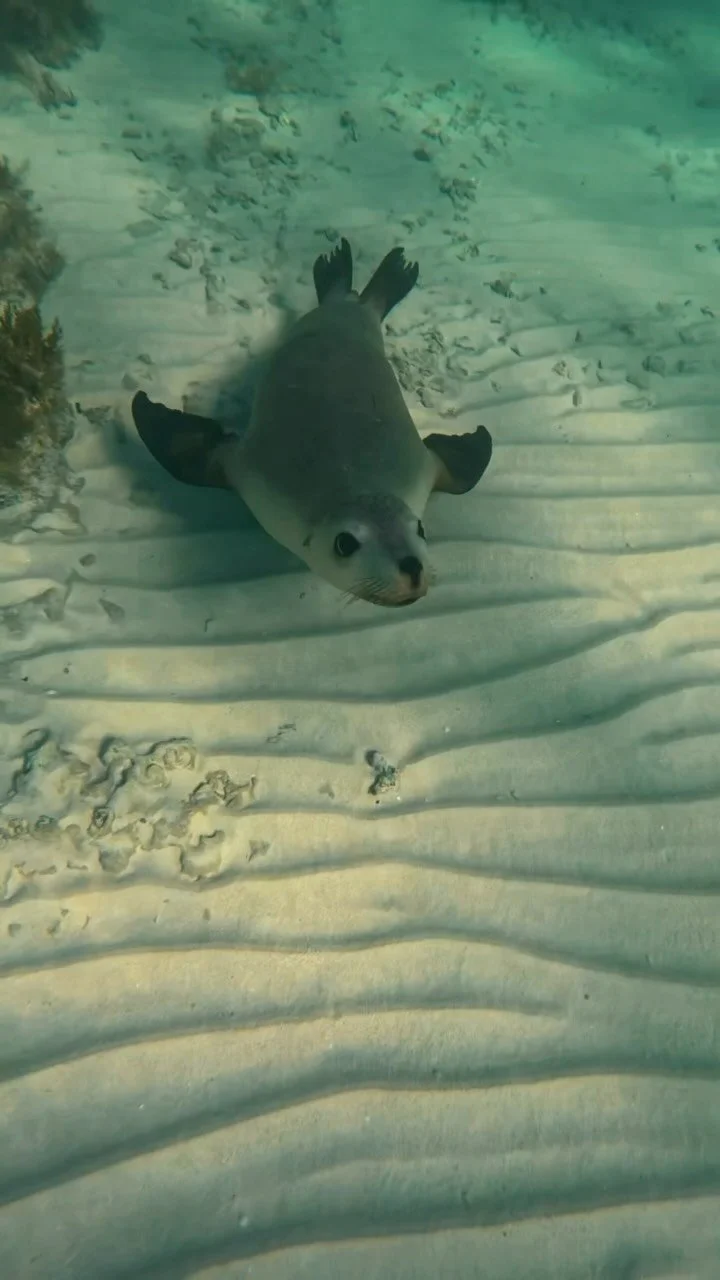
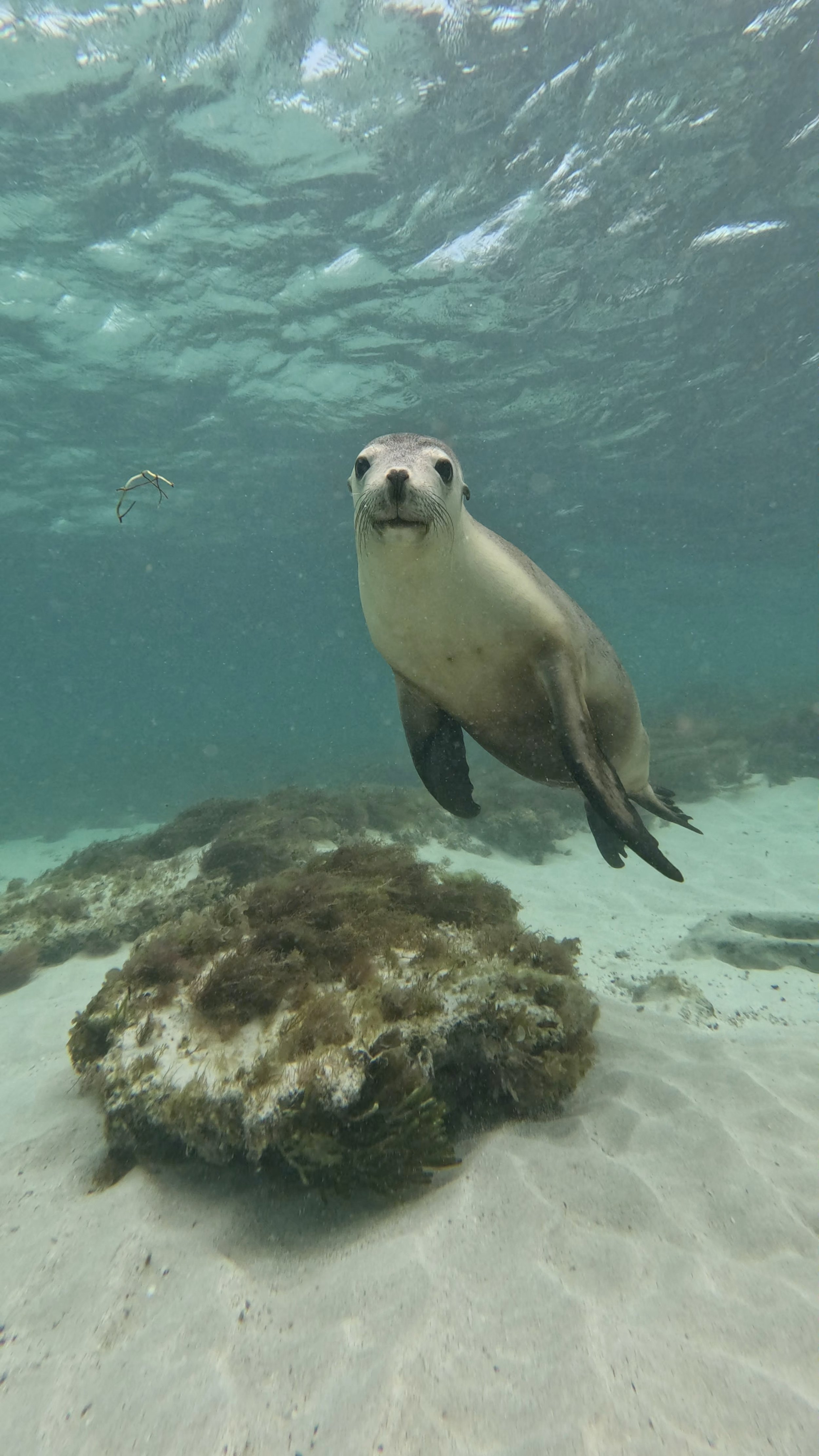
Australian sea lions (Neophoca cinerea) are found nowhere else on Earth. Endemic to Australia, they inhabit a small number of breeding colonies scattered along the southern and western coastline, making them one of the world's rarest sea lion species.
Unlike many other marine mammals that have recovered from historical population declines, Australian sea lions remain listed as Endangered. Their small population, limited breeding colonies and unusually slow reproductive cycle make recovery a long-term conservation challenge.
Protecting every colony is essential to ensuring the future of this remarkable species.
Historical Hunting Nearly Wiped Them Out
During the 18th and 19th centuries, Australian sea lions were heavily hunted for their skins, oil and hides. Large numbers were taken from breeding colonies throughout southern Australia, causing dramatic population declines.
Although commercial sealing eventually ended, the species has never fully recovered. Many colonies disappeared entirely, while others remain much smaller than they once were.
Today, Australian sea lions are protected by law, but the impacts of historical hunting are still evident across their limited range.
Why Do Australian Sea Lions Recover So Slowly?
One of the biggest reasons Australian sea lions remain endangered is their unique breeding cycle.
Unlike most seal and sea lion species that give birth every year, female Australian sea lions usually produce just one pup every 17 to 18 months—the longest breeding cycle of any pinniped in the world.
Mothers invest enormous time and energy raising each pup, meaning populations grow very slowly even under ideal conditions. When combined with modern threats, this slow rate of reproduction makes recovery a gradual process that can take decades.
Modern Threats Facing Australian Sea Lions
────
Fishing Gear, Entanglement, Vessel Strikes
Vessel strikes can cause serious injuries, while discarded fishing gear, ropes and marine debris may entangle sea lions, making it difficult for them to swim, hunt or surface to breathe.
Marine Pollution
Plastic pollution and other marine debris continue to impact Australia's coastal ecosystems, posing risks to both adults and curious young pups.
Habitat Disturbance
Breeding colonies are highly sensitive to disturbance. Excessive human activity near breeding sites can disrupt resting, breeding and the raising of young.
Climate Change
Changing ocean conditions may affect prey availability, forcing sea lions to travel further in search of food and increasing the energy required to successfully raise pups.
Disease
Emerging diseases, including avian influenza (bird flu), have become an increasing concern for wildlife managers. Scientists continue to closely monitor Australian sea lion populations to better understand and respond to potential disease outbreaks.
How Australian Sea Lions Are Protected
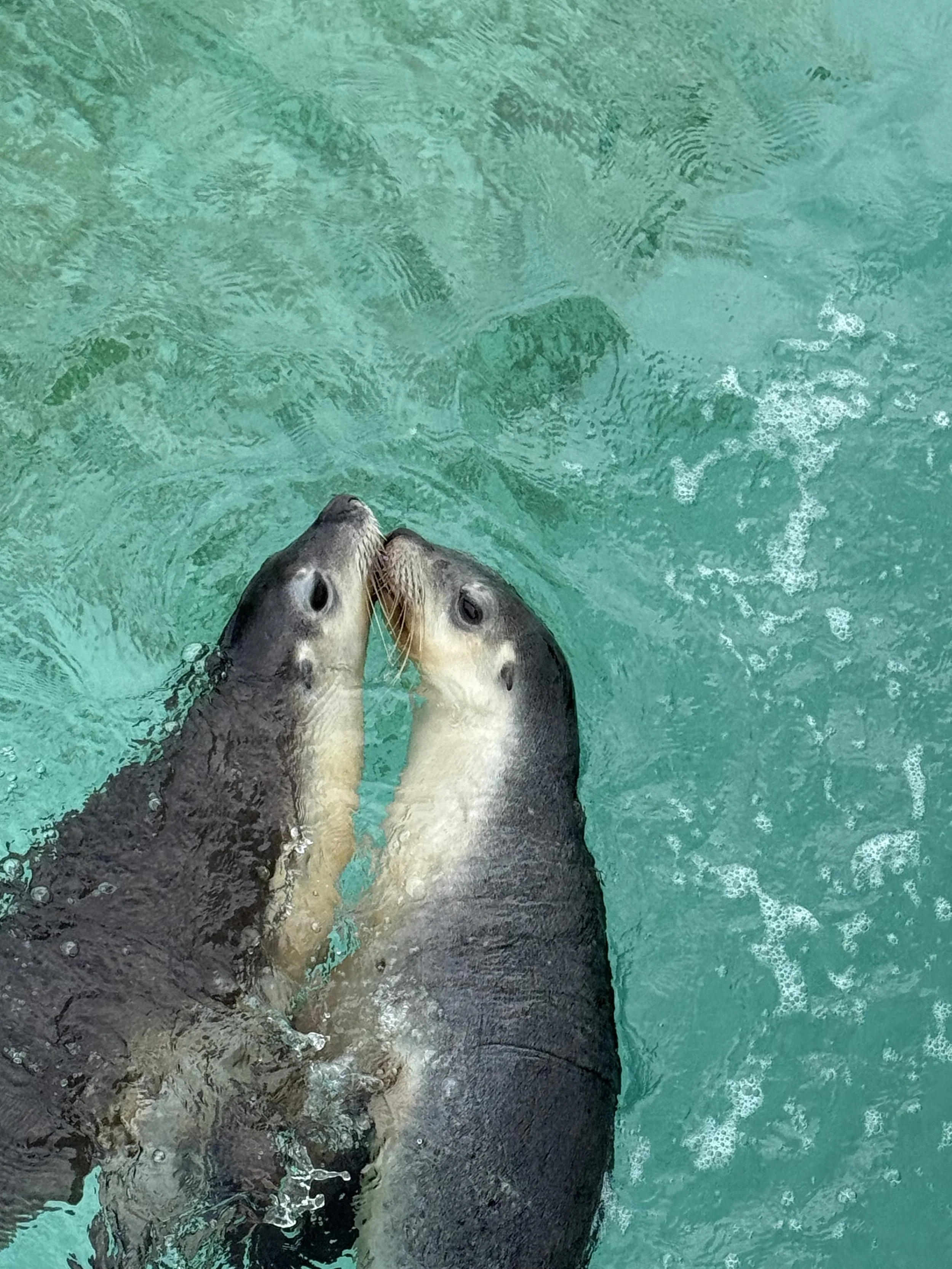
Australian sea lions are protected through a combination of scientific research, marine park management, fisheries regulations and conservation programs.
Protected breeding islands help reduce disturbance during sensitive breeding periods, while ongoing monitoring allows researchers to better understand population trends and emerging threats.
Responsible tourism also plays an important role. Well-managed wildlife experiences educate visitors about Australian sea lions while encouraging respect for their natural behaviour and habitat.
Together, these efforts are helping protect one of Australia's most iconic marine mammals for future generations.
How You Can Help Protect Australian Sea Lions
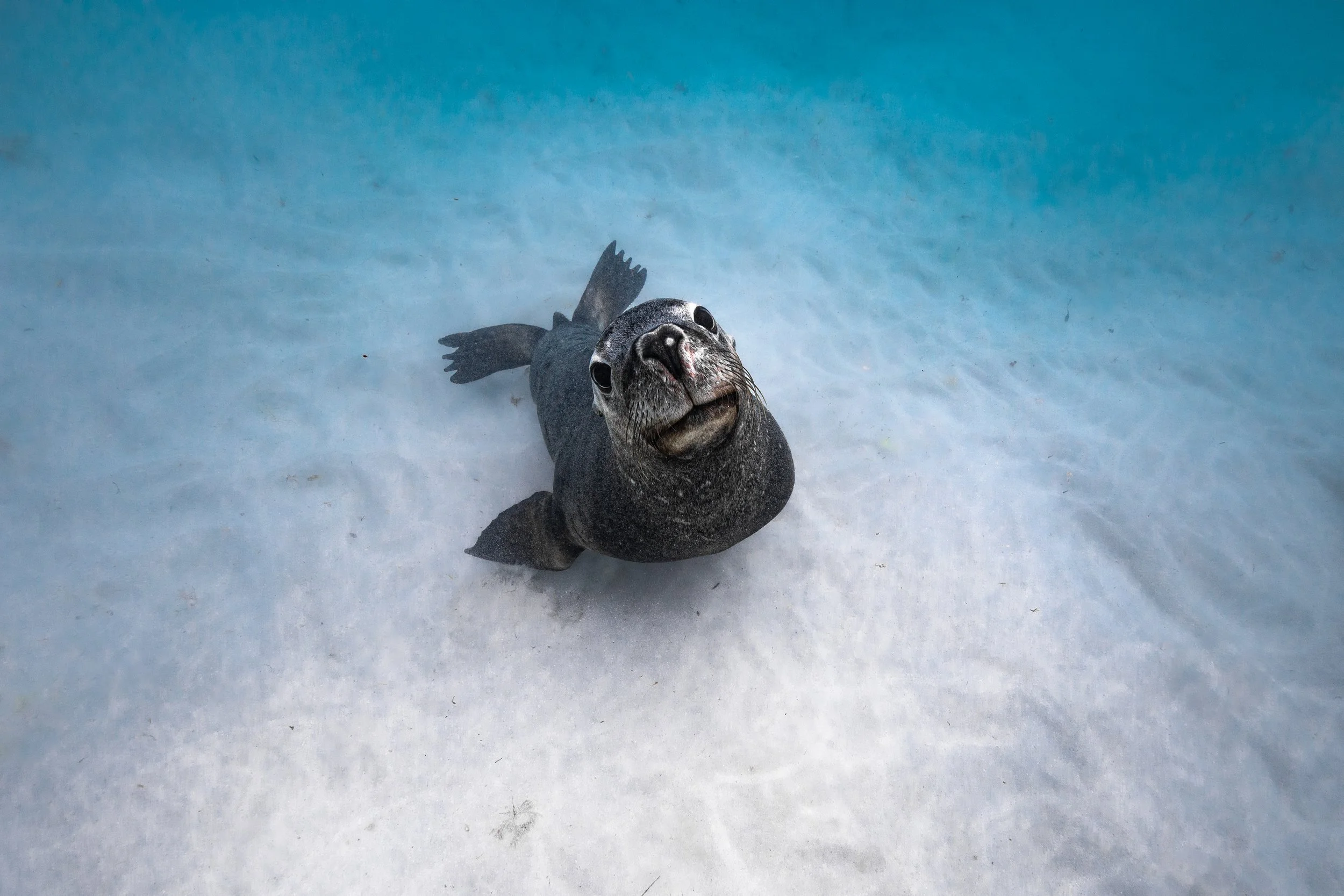
Everyone has a role to play in protecting Australian sea lions.
You can help by choosing responsible wildlife experiences, following marine park guidelines, keeping a respectful distance from wild animals and never attempting to feed or touch sea lions.
Supporting conservation-focused tourism also helps raise awareness of the challenges facing this endangered species while demonstrating the value of protecting Australia's unique marine environment.
Small actions can make a meaningful difference for the future of Australian sea lions.
Frequently Asked Questions
-
Australian sea lions are endangered because of historical hunting, their naturally slow breeding cycle and ongoing threats such as entanglement, habitat disturbance, pollution and climate change.
-
Scientists estimate there are approximately 10,000 to 12,000 Australian sea lions remaining in the wild, making them one of the world's rarest sea lion species.
-
Today, the biggest challenges include their slow reproductive rate, pup mortality rates, fishing-related entanglement, habitat disturbance, pollution and changing ocean conditions.
-
Yes. Australian sea lions are protected under Australian environmental legislation, with many breeding colonies located within protected marine parks and conservation areas.
-
People can help by choosing responsible wildlife tours, respecting marine park rules, reducing marine pollution and supporting conservation efforts that protect Australian sea lion habitats.
Continue Exploring Our Australian Sea Lion Guides
EXPERIENCE AUSTRALIAN SEA LIONS RESPONSIBLY
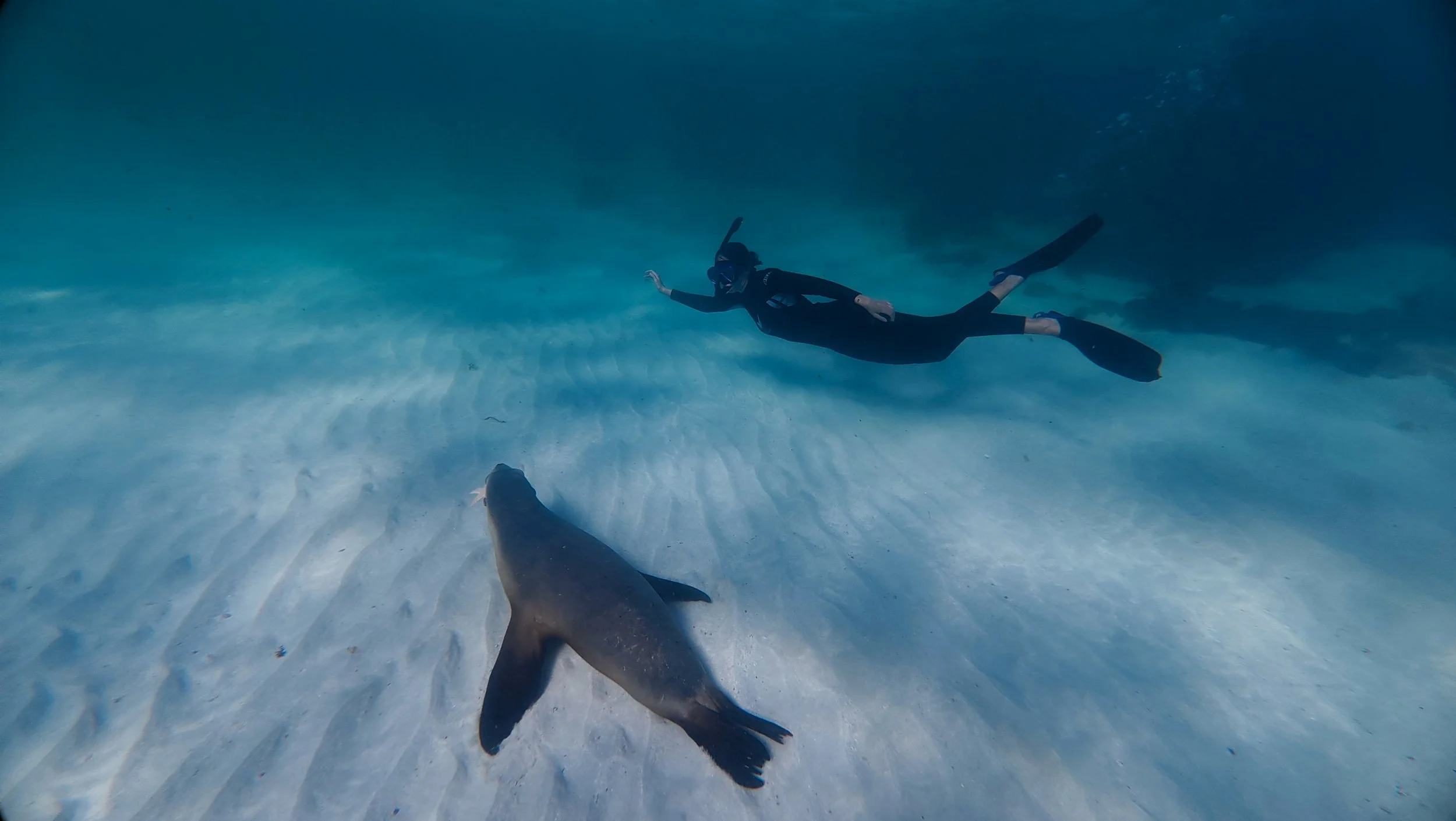
Seeing an Australian sea lion in the wild is a privilege. By joining a responsible wildlife tour, you'll not only experience one of Australia's rarest marine mammals up close but also support education and conservation that helps protect the species for future generations.
@jurienbayoceanic